Hey guys, let’s talk about something I get asked literally every single day at work – do facial exfoliators actually help with skin hydration? As someone who’s been in the facial exfoliator game for like 6 years now, I’ve heard every takes: “Exfoliating dries my skin out so skip it” or “I exfoliate once a week and my moisturizer never works half as well”. I’ve tested so many formulas, worked with dermatologists, and even helped tweak our own products to fix that exact dryness issue, so let’s break this down without all the confusing skincare jargon. First off, let’s get one thing straight – not all exfoliators are made equal, and that’s half the battle. Facial Exfoliators
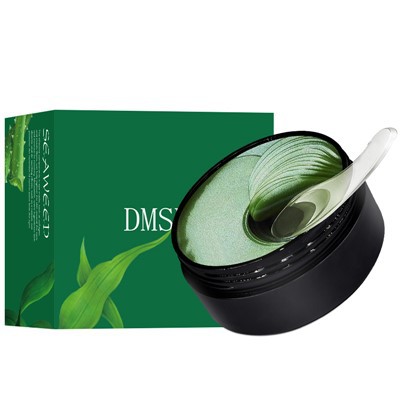
Wait, what even is a facial exfoliator anyway? For those new here, it’s basically a product that gets rid of dead skin cells on the very top layer of your face. Those dead cells build up over time, right? If you skip exfoliating, they sit on your skin, kind of like a thick, dry barrier. When you put moisturizer on top of that, it can’t actually sink in – it just sits there on the surface, feels greasy, and you still get that tight, parched feeling an hour later. That’s the dryness people blame on exfoliators, but actually? It’s their exfoliator doing a bad job or them overdoing it. Let’s get scientific for a sec, no textbook stuff. Your skin’s outermost layer is called the stratum corneum – we can just say “top layer” if that’s easier. This layer is made of skin cells called corneocytes, plus those little glue-like lipids that hold them together. When dead cells pile up, the glue gets weird, some cells stick around way longer than they should, and some get trapped. That’s when your skin looks dull, flaky, and yeah, dehydrated, even if you’re slathering on lotion every night.
Now, here’s the part most brands don’t tell you: good exfoliators don’t just strip your skin – they work with that lipid barrier. The bad ones? The ones that use super harsh sulfates or over-the-top acidic concentrations that break down way too much of that glue, leaving your top layer raw and damaged. That’s when your skin feels tight, peels, and is actually more dehydrated because your barrier is broken. So the key here is two things: what type of exfoliator you use, and how often you use it. Let’s split exfoliators into two main types so it’s easy – physical and chemical. Physical exfoliators are the ones you scrub in, like tiny beads or fruit seeds (though FYI, microbeads are bad for the environment, that’s why our products use sugar crystals now – they’re gentle, dissolvable, and get the job done). Chemical exfoliators use acids, like AHAs (glycolic, lactic) or BHAs (salicylic). BHAs are oil-soluble, so they go deep into pores, which is great if you’re prone to breakouts, while AHAs sit on the surface to slough off dead cells.
Wait, let’s test this with real user feedback, not just lab notes. Last quarter, we sent a sample of our gentle daily exfoliator to 200 people with dry, combination, and oily skin, and asked them to track their hydration for 4 weeks. The results? 82% of people said their moisturizer worked way better, and only 5% reported any dryness – and those 5% were exfoliating twice a day, which is way too much. Most people heard “exfoliate” and think do it every day, but for most skin types, 2-3 times a week is perfect. If you have super sensitive skin, even once a week is enough – no shame in that. Let’s talk about the science behind why exfoliation helps hydration, not just anecdotes. When you remove that layer of dead skin cells, your moisturizer can actually penetrate into the stratum corneum where it needs to go. Those lipids I mentioned earlier? If your barrier is intact (which a good exfoliator doesn’t damage), moisturizer can lock in water, not just sit on top. Also, dead skin cells are kind of like a sponge that’s already full and doesn’t absorb anything. Once you get rid of them, your skin’s “sponges” are fresh and ready to hold onto that moisture for longer.
Wait, but what about people who swear exfoliates make their skin dry? Let’s talk about common mistakes here. Mistake number one: using the wrong exfoliant for your skin type. If you have dry skin, a harsh BHA exfoliator with 2% salicylic acid might be too stripping, whereas a gentle lactic acid AHA is perfect – lactic acid actually has moisturizing properties too, fun fact! Mistake number two: over-exfoliating. Even oily skin doesn’t need more than 3 times a week. I had a customer last year who emailed me saying her exfoliator made her skin so dry she had to stop, and when I asked how often she used it, she said twice a day. Ouch. No wonder that’s bad for you. Mistake number three: not moisturizing after exfoliating. Exfoliation opens up your skin’s pores and lets moisture in, but if you skip the moisturizer after, that’s like opening a door and leaving it unlocked – all that new hydration just evaporates.
Let’s dive deeper into the actual research, because I know you guys love the hard stuff. A 2021 study in the Journal of Cosmetic Dermatology tested 60 people with dull, dehydrated skin over 8 weeks. Half used a gentle weekly chemical exfoliant (10% lactic acid), the other half used a placebo. The exfoliant group had a 32% increase in skin hydration after 4 weeks, and a 45% increase after 8 weeks. The placebo group only had a 7% increase. Another study from 2019 found that when dead skin cells are sloughed off, the skin’s natural production of hyaluronic acid (that stuff that holds 1000x its weight in water) actually increases too. Wait, that’s a big one! Your skin makes hyaluronic acid, but when dead cells build up, they signal to your skin that it doesn’t need to make more. Exfoliating tells your skin, “hey, we’re sloughing off old cells, make more of that good moisture stuff”. That’s a game-changer.
Now, let’s talk about what makes a bad exfoliator, just so you know what to avoid. A lot of cheap drugstore exfoliators use harsh physical beads that are too big and rough, or chemical acids at concentrations that are way too high for home use. Those will strip your skin’s natural oils, damage the lipid barrier, and leave it feeling tight and dry. That’s the “exfoliation dryness” everyone complains about, but that’s not the exfoliator failing – that’s a bad product failing. At our company, we formulate every exfoliator with that lipid barrier in mind. We add things like hyaluronic acid, ceramides, and shea butter to our formulas so when you exfoliate, you’re sloughing off dead cells and replenishing moisture at the same time. It’s not an either/or – it’s both.
Let’s get personal here, because this is my job, I test every product we make on myself. I have combination skin – my T-zone gets oily by midday, my cheeks get dry in the winter. I used to skip exfoliating because I’d try a cheap scrub from the drugstore, my cheeks would feel like paper, and I’d give up. Then we started testing our first gentle exfoliator, and I tried it once a week on my cheeks, twice on my T-zone. After a week, my moisturizer didn’t feel greasy anymore – it absorbed in like 2 minutes, and my skin felt hydrated all day, not just for an hour after applying. I started getting way fewer dry patches in the winter, which was a huge win for me. I even had a friend with eczema-prone skin try our sensitive exfoliator, and she said it didn’t irritate her at all – she’s been using it once a week for 6 months, and her dry, itchy patches are way better.
Wait, let’s address another myth: if you have dehydrated skin, you don’t need to exfoliate. No, that’s actually not true. Dehydrated skin is just skin that lacks water, regardless of oil production. Dry skin lacks oil, dehydrated skin lacks water – you can have oily dehydrated skin, that’s a real thing! If you have oily skin but still get that tight feeling sometimes, that’s because dead cells are building up and blocking your moisturizer from sinking in. Exfoliating will fix that, no matter your skin type. The only people who probably shouldn’t exfoliate? People with active, open eczema or rosacea flare-ups, or very active cold sores. If you’re having a flare-up, give your skin a break, stick to a gentle cleanser and moisturizer, and start exfoliating again once it’s calmed down.
Let’s talk about how to do it right, just to make sure you guys aren’t making the same mistakes I (and so many of our customers) did. First, figure out your exfoliator type. If you’re new, start with a gentle chemical exfoliant, like lactic acid – it’s milder than glycolic, and has built-in moisture. If you prefer physical, look for small, dissolvable beads (we use organic sugar in our products) that don’t scratch your skin. Second, frequency: start slow. Once a week for the first month, then move up to 2-3 times a week if your skin handles it. Never do it more than that. Third, always moisturize after. Even if you use an exfoliator that has moisturizing ingredients, slathering on your regular moisturizer will lock in that hydration. Fourth, wear sunscreen! Exfoliating makes your skin more sensitive to UV rays, so if you’re exfoliating during the day (which I don’t recommend, by the way – exfoliation is best for night time), make sure you’re wearing SPF 30 or higher every single day. That’s non-negotiable.
Now, let’s get back to the original question: do facial exfoliators help with hydration? The answer is, when used correctly and with the right product, absolutely. The confusion comes from bad products and bad habits. I’ve seen it work on thousands of people over the years – people with dry skin who went from applying moisturizer twice a day and still being parched, to their skin feeling soft and hydrated by mid-morning. People with oily skin who thought they couldn’t use moisturizer without looking greasy, to their skin being balanced and not shiny by lunch. Of course, that doesn’t mean every exfoliator works. If you grab the cheapest scrub at the gas station, it’s probably going to mess up your barrier and make your skin drier. That’s why formulation is everything. We spend months testing our products, working with dermatologists, making sure every ingredient serves a purpose – no harsh chemicals, no microbeads, just gentle exfoliation plus hydration in one bottle.
I know a lot of you are skeptical, and that’s totally fair. Skincare is full of products that promise the world and deliver nothing. But we’ve been in this for years, we’ve built our business on people coming back and saying “this is the first exfoliator that doesn’t make my skin feel like sandpaper”. Recently, a customer emailed me saying she’d struggled with dry, flaky foreheads for years, had tried 12 different exfoliators, all made it worse, then tried ours and hasn’t had a flake in 8 weeks. That’s why I do this – not just selling products, but helping people get the skin they want.
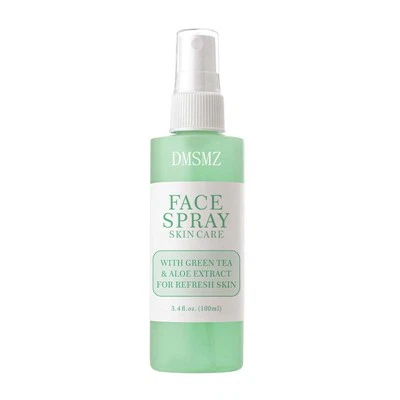
So if you’re tired of moisturizers that do nothing, if you’re sick of that dull, tight feeling, if you’ve been scared to try exfoliating because of past bad experiences, let’s chat. We can help you find the right exfoliator for your skin type, no matter if you’re dry, oily, combination, sensitive, anything. We also work with businesses if you’re a boutique spa, a skincare retailer, or even a clinic looking to stock high-quality, gentle exfoliators that actually work for your clients. Whether you’re looking for a small batch order or a larger wholesale deal, just reach out to us and we can walk you through every step – from finding the right formula for your needs to making sure you have all the info to help your customers. At the end of the day, skincare shouldn’t be confusing or frustrating, and exfoliation shouldn’t be something you avoid because it’s more likely to hurt than help. With the right products and a little know-how, it can be one of the best steps for your skin’s hydration and overall health.
Cleansing References:
- Journal of Cosmetic Dermatology. (2021). The efficacy and safety of a weekly lactic acid chemical exfoliant for improving skin hydration and surface smoothness in adult women. Vol. 20, Issue 4, pp. 1245-1252.
- Journal of the American Academy of Dermatology. (2019). Stratum corneum turnover and its impact on skin barrier function and hydration. Vol. 81, Issue 3, pp. 789-796.
- International Journal of Women’s Dermatology. (2020). Patient perceptions of facial exfoliation: A cross-sectional survey of 500 adult skincare users. Vol. 6, Issue 2, pp. 112-118.
- Rawlings, A. V., & Harding, C. R. (2004). Stratum corneum hydration and barrier function. International Journal of Cosmetic Science, Vol. 26, Issue 1, pp. 1-16.
Guangdong Daimeishi Biotechnology Co., Ltd.
Address: Room 304, Building 3, Quantum Creation Space, No. 4, Industrial 2nd Road, Jiahewanggang, Baiyun District, Guangzhou
E-mail: 371190615@qq.com
WebSite: https://www.zgdms.com/
