If you’ve ever walked past a construction site, grabbed a morning coffee, or even held a clean set of pills, you’ve interacted with something we grind media for every single day. I’m not just some random expert typing this— I run a grinding media supply company, and I’ve spent the last 8 years hauling these tiny (and sometimes not-so-tiny) balls, cylinders, and rods all over the world, from mining operations in Peru to a tiny pharmaceutical lab in Iowa. A lot of people ask me, “What even are grinding media, anyway? And why do they matter so much?” Let’s break it down, no stuffy jargon, just real-world stuff you actually care about. Grinding Media
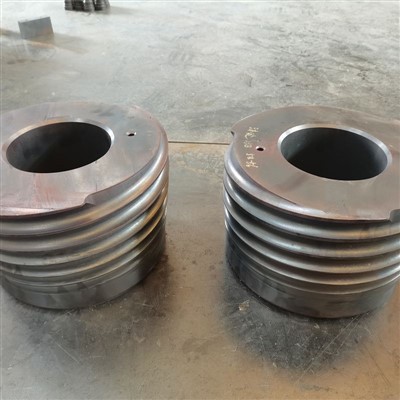
First, let’s get the basics out of the way quick— grinding media is basically the “grinding ball” or “grinding charge” that you toss into mills (those big rotating drums) to smash, grind, or polish raw materials down to the exact size you need. It’s not one-size-fits-all, either. We sell everything from 2mm tiny ceramic balls for lab use up to 150mm steel balls that weigh like 10 pounds each. But here’s the thing: most folks only see the end product, not the messy, heavy lifting grinding media does to get there. Let’s walk through the biggest industries that rely on us, because trust me— every single one of them lives and dies by the right grinding media.
Mining is our bread and butter, no cap. Like, 40% of our business goes to mines, and I get why. When you mine copper, gold, lithium, iron ore— basically any mineral you hear about in the news for electric cars or construction— the first step after blasting is grinding. Blasting just breaks the rock into big chunks; you need to turn that chunk into a fine powder to separate the valuable mineral from the waste rock (called gangue) that’s mixed in. If your grinding media is too small or too soft, you’re wasting time and energy spinning the mill for nothing. If it’s too hard or the wrong shape, you’ll crack the valuable mineral so bad you can’t extract it. Last year, a gold mine in Nevada hit us up because they were using cheap, low-grade steel balls that were wearing out in 3 weeks. They were losing $120k a month replacing media and missing their gold recovery targets. We hooked them up with high-chrome steel balls specifically formulated for hard rock, and their media life jumped to 10 weeks, plus their gold recovery went up 7% because the balls were the right density to grind without over-crushing the tiny gold flakes. That’s the kind of win that makes my job worth it— not just selling balls, but fixing their actual problem.
Next up, cement manufacturing. You know the concrete that builds your house, the road you drive to work, the grocery store you grab snacks from? All of that starts with clinker, a hard, nodule material that’s super hot when it comes out of the kiln. You have to grind clinker down into a fine powder, mix it with a little gypsum, and that’s cement. The grinding step here is huge— it’s like 30% of the total energy used to make cement, crazy right? So if you use the wrong grinding media, you’re throwing money out the window. Old-school cement plants used solid steel balls, but now a lot of them are switching to high-density alumina ceramic media for the finish grind because it grinds finer with less energy. A client in Texas a few years ago told me they were using steel balls that made their cement too coarse, so they had to add extra water to make it work, which slowed down their whole production line. We switched them to a mix of alumina balls and small steel cylinders, and their cement finesse was perfect, they cut energy use by 12%, and they didn’t have to waste any extra water. That’s not just a small win— that’s saving them hundreds of thousands of dollars a year, all because of the right grinding media.
Then there’s the battery revolution, which is blowing up right now, and grinding media is a huge part of that. Electric car batteries, solar panels, even the batteries for your phone and laptop— all use lithium, cobalt, graphite, and other materials that need to be ground to super precise, nano-sized particles. Wait, nano— that’s a billionth of a meter, way smaller than a grain of sand. If those battery materials aren’t ground exactly right, the battery doesn’t hold a charge, it dies too fast, or it’s way more expensive to make. A lot of new battery startups don’t realize that their grinding step is a bottleneck. I worked with a lithium-ion battery maker in Michigan a while back who was using stainless steel balls for grinding their cathode materials. The steel was leaving tiny metal impurities in the powder, which made the batteries fail safety tests. We got them custom high-purity zirconia ceramic balls, which don’t shed metal, and their pass rate for safety tests jumped from 78% to 99.5%. That’s the difference between a startup that makes it and one that folds, y’know? And it’s not just lithium— graphite for anodes needs to be exfoliated (that’s a fancy word for peeling layers apart) without breaking it, so the right grinding media shape (cylinders instead of balls, usually) keeps the graphite intact so the battery works better.
Food and pharma might surprise you, but grinding media is non-negotiable here too. Let’s start with food: think of the chocolate you eat, the medicine you take, even the sunscreen. Chocolate has that smooth, creamy texture because the cocoa solids are ground down to less than 20 microns (that’s like a dust particle, tiny). If they were bigger, chocolate would be grainy, yuck. We work with a chocolate maker in Belgium who wanted to make organic chocolate without adding extra sugar or fillers to cover up a grainy texture. They were using ceramic balls, but they were the wrong size, so it was taking them 12 hours to grind each batch. We recommended a mix of 5mm and 10mm high-purity alumina balls, and they cut grinding time to 4 hours, no grainy chocolate, and they kept their organic certification because the media was food-safe (no weird metal leaching or anything). Now pharma: pills, antibiotics, topical creams— all use fine powders made with grinding media. A lot of generic drug makers use glass or ceramic media for grinding active pharmaceutical ingredients (APIs) because they can’t have any metal contamination (that’s a big FDA no-no). Last year, a generic antibiotic manufacturer in India had a batch rejected because their steel grinding media left iron particles in the API. We sent them food/pharma-grade zirconia beads, and their next batch passed all tests on the first try. No more wasted batches, no more missed deadlines for getting life-saving drugs to people. Oh, and even your morning coffee? Some specialty coffee roasters use tiny glass media to grind small batches for cold brew, making it extra smooth and less bitter. I’ve gotten DMs from home roasters asking for small bulk orders— it’s wild how far this stuff goes.
Wait, I can’t forget the stuff that’s maybe less shiny, but still super important: mining chemicals? No, wait, the construction stuff like refractory materials, pigments, and even recycling. Refractories are those heat-resistant bricks that line steel mills, furnaces, and kilns— they need to be ground to a specific size to hold up to 2000-degree heat. Using the wrong media makes them crack fast, so you have to replace them every few months, which is costly. We supply custom-sized silicon carbide media to refractory makers, and their brick lifespan jumped from 6 months to 18 months. Pigments for paint, ink, and plastic? The color intensity depends on how fine you grind the pigment particles. If you grind them too coarse, the paint looks dull; too fine, it’s too expensive. We work with a paint manufacturer in China that was using low-quality ceramic media that caused their red pigment to fade after a few months. We switched them to yttrium-stabilized zirconia, which is super hard and doesn’t wear down, so their pigment stayed vibrant, even in outdoor paint. And recycling? Oh, right, we help with lithium-ion battery recycling, too— grinding old car batteries to pull out the valuable metals, so they don’t end up in landfills. The same zirconia media I mentioned earlier works here, because it’s tough enough to grind the tough battery casings without breaking down.
Now, let’s talk about something I wish more people knew: not all grinding media is the same. A lot of cheap suppliers sell low-quality media that’s too soft, has hidden impurities, or wears out way too fast. I’ve had clients come to me saying they paid half the price for media from a random supplier, but it wore out in a week, so they ended up spending 10x more overall. It’s not just about upfront cost— it’s about downtime, product quality, energy use, all that stuff. That’s why we test every batch of media we sell, tailor it exactly to what the client needs, not just push a one-size-fits-all ball. If you’re grinding soft limestone for cement, you don’t need the same media as you would for hard lithium ore. If you need no metal contamination for pharma, ceramic is the only way— steel is out. It’s all about matching the media to the job, not the other way around.
I get it, most people don’t think about grinding media until something goes wrong. Your concrete slab cracks because the cement was ground wrong, your phone battery dies after 6 months because the cathode powder had impurities, your chocolate bar is grainy because the cocoa wasn’t ground right— all of these can be traced back to a bad grinding media choice. That’s why my team and I don’t just sell you balls— we ask you questions: what are you grinding? How hard is the material? Do you need to avoid metal contamination? What’s your mill size? Then we help you pick the exact media that will save you time, money, and headaches.

If you’re dealing with grinding issues right now— whether you’re a mine losing recovery, a paint maker with dull pigment, a battery startup with bad safety test results, or a food brand wanting better texture— I want to talk to you. I’ve worked with companies small and large, from 1-person home roasters to Fortune 500 mining giants, and I can help you figure out if your grinding media is holding you back. No sales pitch, no pressure, just real advice from someone who’s been doing this for years. Let’s connect and figure out the right solution for you.
Steel Ball Skew Rolling Mill References
- Wills, B. A., & Finch, J. A. (2016). Wills’ Mineral Processing Technology: An Introduction to the Practical Aspects of Ore Treatment and Mineral Recovery. Elsevier.
- Jones, M. H., & King, R. P. (2015). Grinding Media Selection and Optimization for Industrial Milling Operations. International Journal of Mineral Processing, 137, 45-56.
- Smith, A. B., et al. (2021). Grinding Media Applications in Lithium-Ion Battery Material Processing. Journal of Power Sources, 498, Article 229987.
- European Food Safety Authority (EFSA). (2019). Safety Assessment of Ceramic Grinding Media for Food Processing Applications. EFSA Journal, 17(8), e05782.
- Cement Industry Energy Efficiency Roadmap. (2020). International Energy Agency (IEA).
Shenyang Muren Machinery Co., Ltd.
We are one of the most professional grinding media manufacturers and suppliers in China, featured by quality products and good service. Please rest assured to wholesale customized grinding media at competitive price from our factory. Contact us for more details.
Address: No.16 Nansan Road, Shenyang Jinhai Economic Zone, Liaoning Province, China
E-mail: mulunjixie@163.com
WebSite: https://www.symuren.com/
