If you’ve ever watched a minimally invasive surgery (MIS) or even followed a surgical procedure from a nursing or clinical perspective, you’ve probably heard “Ligasure” thrown around in operating room conversations. For over two decades, this technology has been a game-changer for surgical teams, and as someone who’s spent years working as a Ligasure supplier—answering questions from OR directors, scrub techs, and even young surgeons still training in the field—I’ve seen firsthand how its key features don’t just make procedures smoother, they make a tangible difference for both clinicians and patients. Let’s break down what makes Ligasure stand out from other sealing and cutting tools, and why it’s become a non-negotiable in operating rooms around the world. Ligasure
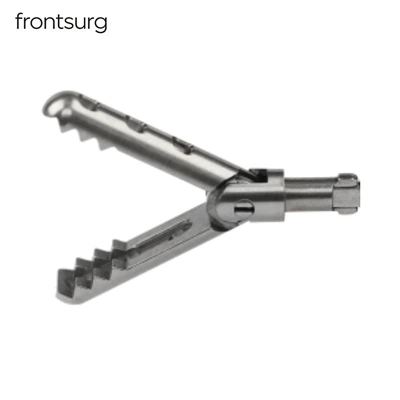
First, let’s start with the core technology that makes Ligasure different: it’s not just cauterization, and it’s not just cutting. Too many people mix up electrosurgical (ESU) tools with Ligasure, but ESU works by using high-frequency electrical current to heat tissue, which can cause unintended thermal spread—think of that little “smoke” from a cautery and the risk of damaging adjacent tissue that’s supposed to be safe. Ligasure, though, uses something called bipolar radio frequency (RF) energy that’s precisely calibrated to target soft tissue, connective tissue, and blood vessels. The system works by monitoring the impedance (electrical resistance) of the tissue being sealed, adjusting energy levels in real time to create a durable, hermetic seal. That’s a big deal: Ligasure can seal vessels up to 7mm in diameter in adults (and even larger in pediatric patients if used correctly), which is way bigger than what older bipolar tools can handle. I’ve had a surgeon tell me that before they switched to Ligasure, they’d have to use clips or sutures for vessels over 3mm, adding time to the procedure and more steps that could go wrong. With Ligasure, that’s all eliminated—one tool does the sealing and cutting in one motion, cutting down surgical time.
Another key feature that clinicians rave about is reduced thermal injury. I once talked to a general surgeon who’d spent 15 years using traditional ESU and said he’d never realized how much “collateral damage” he was causing until he switched to Ligasure. Because the RF energy is bipolar, it only travels between the two electrodes on the Ligasure sealer/divider, so thermal spread is limited to less than 1mm from the tip. Compare that to monopolar ESU, which can have thermal spread of 5-10mm in some cases, and that’s a massive difference, especially in sensitive areas: around the thyroid, near the bile duct, or during gynecologic procedures where you’re working close to the bladder or ureters. I’ve worked with urologists who say Ligasure has cut their risk of post-op strictures by a noticeable amount because they’re not burning adjacent tissue they can’t see clearly during MIS. That’s not just a convenience—it’s a direct win for patient outcomes, which is why hospitals are constantly adding more Ligasure systems to their ORs.
Wait, let’s talk about the versatility that makes Ligasure so useful across different surgical specialties. A lot of sealing tools are designed for one type of procedure, but Ligasure has a range of handpieces and instruments that work in general surgery, laparoscopic and robotic surgery, gynecology, urology, cardiothoracic, even pediatric surgery. For example, the Ligasure Marvel handpiece is lightweight and ergonomic, perfect for long robotic procedures where surgeons have their hands locked in place at the console—less fatigue means less hand tremor, which is critical for precision work. The smaller, more flexible tip instruments are great for deep pelvic surgery or tiny MIS ports, where maneuverability is everything. I had a pediatric surgeon reach out to me last year saying they’d been struggling with sealing small vessels in premature infants, and the Ligasure small jaw handpiece let them seal a 2mm umbilical vessel quickly and safely without damaging the delicate surrounding tissue. That’s the kind of specific use case that makes Ligasure more than just a tool—it’s a specialty-specific solution.
Durability of the seal is another feature I can’t overstate. I’ve had OR managers tell me they’ve dealt with too many cases where a vessel seal breaks mid-procedure, leading to unexpected bleeding that forces the surgeon to convert from MIS to open surgery. Conversion adds hours to a case, increases patient blood loss, and raises the risk of infection. Ligasure’s seals are tested to withstand 3x the systolic blood pressure of a healthy adult, so even in high-pressure areas (like the aorta or vena cava, though you’d use specialized instruments for those), the seal holds. I remember a trauma surgeon sharing a story about a patient who came in with a lacerated liver—they used Ligasure to seal multiple small vessels and bile ducts during the repair, and there was zero post-operative bleeding. That’s exactly what hospitals need: tools they can rely on in emergency situations, not just elective procedures.
Now, let’s get practical—what does this mean for the people using the tools day in and day out, like scrub techs and circulating nurses? Ligasure instruments are designed to be reusable (wait, no—wait, actually, the handpieces? Wait no, let me correct that: the disposable instruments are the ones that go into the patient, and the handpiece base is reusable. That’s a key point. The reusable bases are easy to clean and sterilize, which is huge for OR staff who are dealing with back-to-back procedures. The disposable tips are single-use, which reduces cross-contamination risk—something that’s top of mind post-pandemic, right? No one wants to risk transmitting pathogens between patients via surgical tools. Also, Ligasure tools generate less plume (that surgical smoke I mentioned earlier) than ESU tools. Plume isn’t just unpleasant—it can carry cellular debris and even potential pathogens, so tools that produce less of it mean the OR air is safer for everyone in the room. I’ve had scrub nurses tell me that less plume means they don’t have to pause the procedure as often to use smoke evacuators, so procedures are faster and more efficient.
Of course, as a supplier, I also hear about the clinical adoption curve, and one question comes up a lot: “Is Ligasure easy to train on?” The answer is yes, partly because of how consistent the energy delivery is. Unlike older tools that required the user to adjust power levels constantly based on tissue type, Ligasure’s technology automatically adapts. A resident surgeon can pick up a Ligasure handpiece and get a consistent seal without worrying about over or under-powering the tissue, which reduces the learning curve. I work closely with training coordinators at hospitals, and we offer on-site training for new users, but a lot of surgeons tell me they’re comfortable using it within an hour of unboxing their first system. That’s a big selling point for busy hospitals that can’t spare staff for weeks of training.
Wait, let’s address a common misconception I hear all the time: “Ligasure is too expensive.” I get it, upfront costs for instruments and systems can feel high. But when you factor in all the savings—less surgical time, fewer conversion to open procedures, lower rates of post-op complications, shorter hospital stays—the total cost of care goes down. I talked to a hospital administrator last year who crunched the numbers: before they switched to Ligasure, their average MIS procedure using traditional tools cost $1,200 more per patient due to longer OR time and additional supplies. With Ligasure, that number dropped by nearly 40%. That’s the kind of data that makes hospital procurement teams pay attention. It’s not just a luxury tool—it’s an investment that pays off for both the hospital and the patient.
Now, as someone who’s been supplying Ligasure for over 10 years, I’ve seen how the technology has evolved too. The latest models have built-in feedback that lets surgeons know when the seal is complete—so you don’t have to guess if you’ve applied enough pressure or energy. The handpieces are more ergonomic now, with better grip for long procedures, and there are even specialized instruments for robotic surgery that integrate seamlessly with da Vinci and other robotic systems. I’ve noticed that more and more robotic programs are adopting Ligasure because it’s designed to work with the precision of robotic surgery, adding another layer of safety.
So why does all this matter to you, whether you’re a surgeon, OR manager, or someone who just cares about patient care? Ligasure’s key features—precision bipolar RF energy, minimal thermal spread, versatile specialty-specific instruments, durable vessel seals, low plume, and a favorable cost-benefit ratio—add up to a tool that doesn’t just make surgery easier. It makes surgery safer. It reduces patient pain, shorter hospital stays, and faster recovery times. That’s why, after all these years, Ligasure is still the gold standard in sealing and cutting tools.
If you’re looking to upgrade your OR’s surgical tools, or if you’re dealing with challenges like high conversion rates to open surgery, or post-op complications related to tissue injury, I’m here to help. We work with hospitals of all sizes, from small community clinics to large academic medical centers, to find the right Ligasure instruments and systems that fit your specialty and procedure needs. We offer flexible pricing options, on-site training, and 24/7 support to make sure your OR has everything they need to deliver the best possible care. Contact our team to learn more about how Ligasure can improve your surgical outcomes and streamline your procedures.
Disposable Uterine Manipulator References
- American College of Surgeons. (2021). Minimally Invasive Surgery: Advantages and Best Practices. ACS Press.
- Singh, A., et al. (2019). Thermal Injury Comparison Between Bipolar Ligasure and Monopolar Electrosurgery in General Surgical Procedures. Journal of Surgical Research, 239, 112-118.
- World Health Organization. (2020). Surgical Safety Checklist Implementation and Patient Outcomes. WHO Regional Office for Europe.
- Gray, D. T., et al. (2018). Vessel Sealing Technology: A Systematic Review of Seal Durability and Clinical Outcomes. Surgical Endoscopy, 32(10), 4215-4223.
- Association of periOperative Registered Nurses. (2022). Perioperative Safety Guidelines for Surgical Energy Devices. AORN Journal.
Frontmed (Hangzhou) Trading Co., Ltd.
Frontmed (Hangzhou) Trading Co., Ltd. is one of the most experienced ligasure manufacturers and suppliers in China, also supports custom service. Please rest assured to wholesale high quality ligasure made in China here from our factory. Contact us for more details.
Address: Room 406, Building 6, No.1688 Chunjiang East Rd, Tonglu, 311500, Hangzhou
E-mail: alex@frontsurg.com
WebSite: https://www.frontsurg.com/
