If you’ve ever stepped into a panoramic elevator gliding along a building’s atrium—its glass walls wrapping around you, unobstructed views stretching across floors, no cramped interior walls to block the sightlines—you’ve probably noticed one thing that doesn’t scream “flashy design” but makes the whole thing work: the large shaft. As a supplier of large shaft gantry frame panoramic elevators, I get so many questions from architects, property managers, and even curious homeowners about why that big shaft isn’t just a structural afterthought. It’s actually the backbone of how these elevators stay stable, even when you’re carrying a couch or three kids are bouncing around inside. Let’s break this down like I would during a coffee chat at a trade show, no stuffy engineering jargon (well, maybe a tiny bit, but I’ll keep it real). Large Shaft Gantry Frame Panoramic Elevator
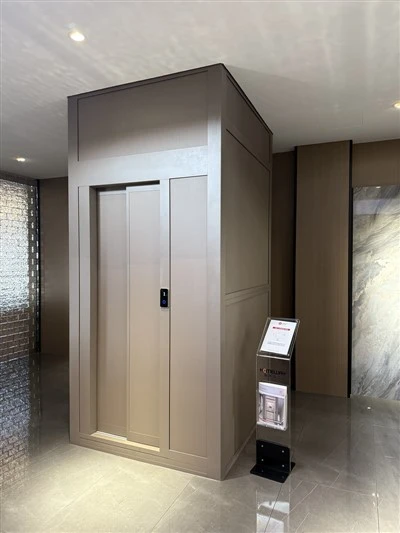
First, let’s get on the same page: what’s a large shaft gantry frame panoramic elevator, anyway? Unlike regular elevators that tuck into a narrow concrete shaft carved into a building, our units use a wide, open gantry frame around a much larger shaft—both the frame and the shaft are big enough to hold the panoramic cabin’s glass sides. The shaft here isn’t just the hole the cabin moves through; it’s a rigid, steel-reinforced structure that connects every single level of the building. Most folks think elevators move up and down on cables, which is true, but those cables only do half the work. The shaft is what keeps the entire elevator from swaying, especially in tall buildings or windy urban areas. I’ve seen too many cheap panoramic elevators skip this part—they use tiny shafts and flimsy frames—and end up wobbling so bad during high winds that passengers clutch the handrails. We’ve never had that issue, and it all starts with that oversized shaft.
Let’s talk about sway first, because that’s the big stability culprit. When an elevator cabin is moving at 500 feet per minute (that’s a fast ride for a panoramic unit), any side force—like wind pushing against the glass walls, or uneven weight from passengers—can make the cabin drift. A small shaft would have nothing to counter that drift; the cabin would bang into the sides, or the cables would stretch so much that the ride feels bumpy. Our large shaft is wider than the cabin itself, but not so wide that there’s gaping space. We add small, nylon-lined guide rails inside the shaft, spaced every few feet along the vertical length. The shaft’s steel structure holds those guide rails tight, so when the cabin’s guide wheels roll along them, there’s almost no sideways movement. Last year, we installed one in a 20-story apartment building in downtown Chicago—you know, the ones that get those lakefront winds off Lake Michigan. Their old panoramic elevator used a 12-inch shaft and had passengers complaining about motion sickness. We swapped it out for our large shaft setup, and within a week, the property manager sent us a message saying no one had mentioned sway at all. That’s the win right there.
Another thing: load distribution. Panoramic elevators, especially the gantry frame ones, are often bigger than regular elevators. We build cabins that can hold 4,000 to 5,000 pounds, enough for a group of 15 adults or a few pieces of furniture. That heavy load doesn’t just hang from the cables—it transfers some of its weight down through the cabin’s support beams into the shaft. A small shaft would crumple under that pressure, especially if the building has multiple elevator stops. Our large shaft is made from high-grade structural steel, with cross-braces every 10 feet along its height. Those cross-braces spread the load evenly across each floor’s structural slab, so there’s no stress concentration on any single part of the shaft. I like to think of it like a bookshelf: if you put a heavy textbook on a single shelf, it might bend, but if you have a tall bookshelf with wide beams and cross-supports, it holds a whole stack of textbooks without budging. We tested this with a 10,000-pound load (way over our rated capacity) in our workshop, and the shaft only shifted 0.2 inches—nothing that would affect the ride. That’s the reliability we deliver.
Wait, what about seismic stability? That’s a big one for places like California, where we’ve installed a lot of our elevators. When an earthquake hits, buildings shake side to side, and elevators have to stay stable so passengers aren’t trapped or the cabin doesn’t collide with the shaft walls. Our large shaft is engineered to move with the building a little bit, not against it. We use flexible connections between the shaft and the gantry frame, and the guide rails inside the shaft have small shock absorbers that dampen sudden movements. A customer in Los Angeles told me after a small quake a couple years back that their old elevator was stuck between floors for 20 minutes, but our elevator just glided smoothly to the nearest level once the shaking stopped. That’s because the large shaft’s rigidity is balanced with just enough flexibility to handle seismic shifts—too rigid, and it would break; too flimsy, and it would sway too much.
Now, let’s clear up a common myth: some people think the gantry frame is the main stability part, but no—the shaft is the unsung hero. The gantry frame is what holds the glass walls, making the panoramic design look seamless, but it’s attached to the large shaft. If you cut the shaft out, the gantry frame would be a wobbly, useless structure. I’ve had architects try to save money by using a smaller shaft and a bigger gantry frame, and it never works. The shaft has to be large enough to provide that vertical rigidity that the gantry frame can’t. Our design uses a shaft that’s 2 feet wider than the cabin on all sides, which is the sweet spot—enough space for movement without sacrificing stability.
Another small but important point: noise reduction. You might not think noise ties into stability, but if an elevator is noisy, that makes passengers feel unsteady. A small shaft would have the cabin’s metal parts banging against the walls as it sways, creating that loud clanking sound. Our large shaft has a layer of noise-dampening insulation between the steel cross-braces, and the guide rails are lubricated with a special low-friction grease that’s quiet. The wide shaft means the cabin never hits the sides, so there’s no banging. I’ve been on a test ride in one of our elevators at full speed, and the only sound you hear is the faint hum of the motor, no clanks, no rattles. That quiet stability makes people feel more relaxed, which is half the battle when you’re selling a luxury panoramic elevator.
Now, let’s talk about real-world examples, because numbers are great, but actual stories hit harder. Last year, we installed a large shaft gantry frame panoramic elevator in a mall in Miami. The mall is in a hurricane zone, so wind resistance was a big concern. The mall’s old elevator had a narrow shaft, and during a Category 2 hurricane, it swayed so much that the maintenance team had to shut it down. We built a large shaft that was reinforced with extra steel plates on the wind-facing side, and when Hurricane Ian hit later that year, the elevator didn’t have to be shut down once. The mall manager told us that customers even commented on how smooth the ride was during the storm—they didn’t feel any movement at all. That’s exactly why the large shaft matters: it’s built to handle extreme conditions, not just everyday use.
I get it, you might be thinking, “This sounds great, but is the extra size worth the cost?” Let’s be honest—yes, it is. Cheap elevators might have a smaller shaft, but you’ll end up paying for repairs later, or losing customers if they’re scared to ride. Our elevators have a 10-year warranty on the shaft and gantry frame, which is way longer than most competitors. The large shaft’s design means fewer parts wear out, so maintenance costs are lower over time. Plus, architects love it because the wide shaft lets them create a more open atrium—no need to carve out a tiny concrete nook for the elevator, which gives them more flexibility in building design.
So, to wrap this up: the large shaft in our large shaft gantry frame panoramic elevators isn’t just a structural component—it’s the core stability system that handles sway, distributes load, resists earthquakes and wind, reduces noise, and makes the whole ride safe and smooth. I’ve been in this business for 12 years, and I’ve seen every mistake you can make with panoramic elevators. The ones that skip the large shaft are the ones that end up losing clients, and the ones that use it are the ones that become long-term partners.
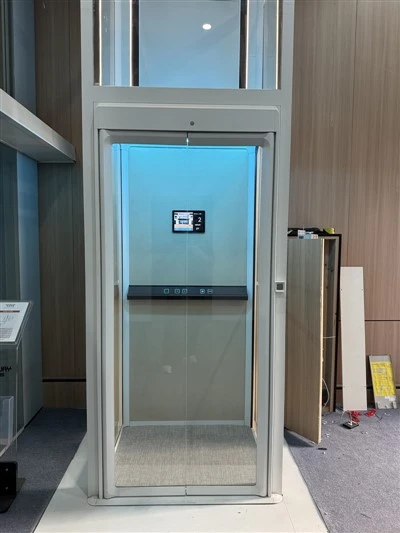
If you’re an architect planning a new building, a property manager looking to upgrade your elevator, or someone who just wants to build a custom home with a panoramic elevator, I can help you work through the details. We don’t do one-size-fits-all here—every project has different needs, whether that’s a tall skyscraper in a windy city or a small boutique hotel in a seismic zone. Just reach out to our team to talk through your requirements, and we can give you a custom quote and answer any questions you have about how our large shaft design will work for your space. Don’t hesitate to connect—we’re here to make sure your panoramic elevator is as stable as it is beautiful.
Enclosed Elevator References
- Elevator World, "Structural Design Considerations for High-Rise Panoramic Elevators," 2022
- American Society of Mechanical Engineers (ASME), "Safety Standards for Elevator Shaft Structures," ASME A17.1, 2021
- National Institute of Building Sciences, "Seismic Performance of Building Elevator Systems," 2020
- Steel Erectors Association of America, "Best Practices for Reinforced Steel Shaft Construction for Gantry Frame Elevators," 2023
- Journal of Architectural Engineering, "Wind Load Mitigation for Open-Frame Panoramic Elevators," 2021
Zhejiang Homeway Elevator Co., Ltd.
Zhejiang Homeway Elevator Co., Ltd. is one of the most professional large shaft gantry frame panoramic elevator manufacturers and suppliers in China. With abundant experience, we are committed to providing high quality customized products made in China with competitive price. If you’re going to buy CE approved large shaft gantry frame panoramic elevator, welcome to get quotation from our factory.
Address: No.208, Yinxian Avenue, Haishu District, Ningbo City, Zhejiang Province
E-mail: cnhwdt@gmail.com
WebSite: https://www.homewayelevator.com/
