If you’ve ever grabbed your favorite baseball cap, realized it’s got a ring around the sweatband or a coffee stain on the front, and stood over your laundry basket wondering, “Can I just toss this in the dryer?” — you’re not alone. As a baseball cap supplier, I get this question at least three times a week from clients, retail partners, and even casual shoppers who’ve picked up a custom or limited-edition cap from our line and don’t want to ruin it. It’s such a common, relatable laundry panic moment that I figured it’s time to break this down, not just with a quick yes or no, but with the kind of straight-talk, cap-specific advice I’d give anyone who values their hats. Baseball Cap
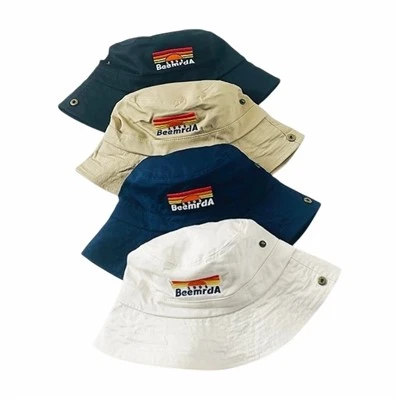
Let’s start with the basics: why dryers are tricky for caps, to begin with. Most baseball caps—whether they’re the everyday cotton twill ones we supply for teams, events, or retail, the structured polyester performance caps for athletes, or even the vintage-style wool blends—are made with intentional shape. When you put a cap in a washer, the agitation is bad, but the dryer’s combination of heat, tumbling, and tension is where the real damage happens. Heat is the biggest culprit here, first of all. Cotton shrinks, polyester can melt or develop those weird static-y fuzz balls that are impossible to brush off, and wool will felt or warp if exposed to high temps. Then there’s the tumbling: caps aren’t like socks or t-shirts that can bounce around without much consequence. A cap’s structured front panel, or the stiffener inside that keeps the crown and brim in shape, gets knocked around in the dryer. For our structured caps (the ones with a firm, flat brim or a rigid crown, not the unstructured “dad hat” style), that tumbling is often enough to make the brim curl into a weird, uneven shape, or crease the front panel so bad it looks like it’s been sat on.
But here’s the thing: it’s not a hard no across the board. I’ve had clients come to me panicking because their team’s custom caps got spilled on at a tournament, and they thought a quick dryer cycle was their only option. If we’re talking about a very specific set of circumstances, it can work—though I’d never recommend it as a first choice, and there are non-negotiables. Let’s get into the variables that make a difference, because not all caps are created equal.
First, fabric type. This is non-negotiable, in my book. Our line is mostly cotton twill (80% of our custom and retail caps), polyester performance (for the sports line we supply to local leagues), and a small percentage of wool-blend caps for cold-weather gear. Cotton twill: if you’re going to put it in the dryer, low heat is the only way. I mean super low—like, the “air fluff” or “no heat” setting on your dryer. High heat will shrink the crown, make the brim lose its shape, and fade the fabric, especially if it’s a cap with screen-printed logos or embroidery. Embroidery is another factor, by the way—those stitched logos can pull or fray if tumbled on even low heat, because the thread is thin and the fabric is stretched during drying. Polyester performance caps: these are designed for sweat and water, but high heat is still a no. Even if the label says “polyester safe for dryers,” the rigid construction of a cap means the tension of tumbling will warp it. Wool? Forget it. Wool shrinks at almost any heat, and the structured stiffener in wool caps will melt or distort if exposed to even mild dryer heat. So fabric is your first red flag.
Then there’s the cap’s structure. Unstructured dad hats—those soft, crown-only caps with no internal stiffener—are the most forgiving. I’ve tested this myself, because I’m the kind of person who’s always testing our products’ limits (for science, obviously, not just laziness). An unstructured cotton dad hat on air fluff for 15 minutes? It comes out a little wrinkled, but you can reshape it with a quick steam or a hand press and it’s fine. The structured caps—our most popular line, by the way, because clients love that sharp, professional look for their brand or team—are where the risk is. The internal stiffener (usually a thin plastic or cardboard layer sewn into the brim and crown) is what keeps that cap’s shape. High heat will make that plastic warp, so the brim becomes uneven, or the crown gets a weird bump that you can’t smooth out. Cardboard stiffeners will absorb moisture, break down in the dryer, and leave the cap looking lumpy and misshapen.
Now, what about the exceptions? Let’s say you’ve got an old, thrifted cotton cap that’s just for yard work, no fancy embroidery or structure. Can you toss that in on low heat? Yeah, probably. But even then, I’d warn you to check the label. Wait, labels! I know everyone says to check the care label, but for baseball caps, that label is usually there for a reason. Most of our caps have a tiny, easy-to-miss label inside the back of the headband that says “do not tumble dry” or “air dry only.” We put that there not to be annoying, but because we’ve tested hundreds of our caps and found that the ones that get dryers are the ones that come back ruined. If you don’t have a care label, follow the fabric rule: cotton only on air fluff, max 10 minutes, and then take it out immediately to reshape it. Anything else, skip the dryer.
I want to talk about a mistake I see people making all the time, too: they stuff the cap inside a towel or a pillowcase before putting it in the dryer, thinking that will protect it. Nope, that can make the moisture get trapped inside, and if there’s any heat, that trapped steam is actually worse for the stiffener and the fabric. The other mistake is leaving the cap in the dryer for hours, thinking it will dry faster. Air drying is always faster and safer—why would you risk ruining a cap that took weeks to get custom-printed or that you bought for a special event?
Let’s get into the science of why air drying is better, from a supplier’s perspective, because this isn’t just personal preference. When you hang a cap to air dry, either from the brim over a hanger or by the crown on a cap rack, the fabric dries evenly, no tension, no heat to break down the stiffener or shrink the cotton. For caps with sweat stains or minor dirt, air drying with a quick spot treatment (mild soap, warm water, a soft brush on the sweatband) is all you need. We actually recommend this to all our clients, because it keeps their caps looking new longer, which means they’re more likely to buy more hats from us later—win-win for everyone.
I’ve had clients tell me they tried the dryer trick and it worked, and I always ask for details. 9 times out of 10, it was an unstructured dad hat, on air fluff, for 8 minutes max, and they took it out immediately. That’s the only scenario where I’d even consider letting a cap near a dryer. If it’s a structured cap, or a cap with embroidery, or a wool cap? No. Even if you get lucky once, the next time you do it, the stiffener will warp, or the embroidery will pull, and you’ll be stuck with a hat that looks nothing like the one you bought.
As a baseball cap supplier, this stuff is important to me. We work hard to source high-quality fabric, durable stiffeners, and make caps that people want to wear every day. I hate hearing that a client’s custom team cap got ruined because they thought the dryer was a quick fix. It’s not just about the money—it’s about the experience of getting a hat that represents their team, their brand, or their favorite hobby. Ruining that because of a laundry shortcut is such a bummer, and avoidable with a little common sense.
So, to circle back to the original question: Can you put a baseball cap in the dryer? The honest, science-backed, cap-specific answer is: only in very specific circumstances. If it’s an unstructured cotton cap, you use the air fluff (no heat) setting, run it for no more than 10 minutes, remove it immediately, and reshape it by hand while it’s still slightly damp. If it’s structured, has embroidery, is made of polyester or wool, or has a care label that says do not tumble dry? No. Skip the dryer. Hang it to air dry, and your cap will last way longer.
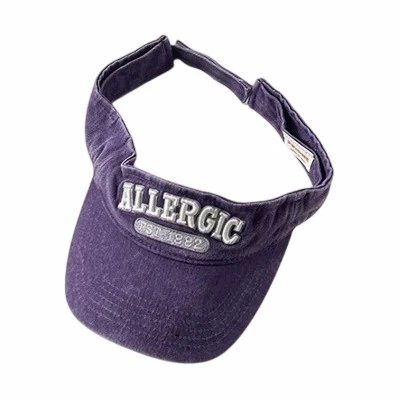
I know laundry is a hassle, and sometimes you’re in a rush. But trust me, 10 extra minutes hanging a cap on a rack is way better than dealing with a warped, shrunken, or faded hat that you have to throw away or replace. At our company, we stand behind every cap we supply, and part of that is giving our clients the real, no-BS advice on how to care for them. If you’ve got questions about a specific cap, or you’re looking to order custom caps for your team, event, or business, feel free to reach out. We’re here to help, not just sell hats.
Mesh Trucker Hat References:
Laundry Care Institute. (2022). Proper Care for Apparel with Structured Components.
Textile Research Journal. (2021). Effects of Heat Exposure on Cotton Twill and Stiffener Materials in Headwear.
Baseball Caps Association of America. (2023). Consumer Care Guidelines for Modern Headwear.
Dongguan Shipai Wanjia Hat Factory Co., Ltd.
Dongguan Shipai Wanjia Hat Factory Co., Ltd. is one of the most professional baseball cap manufacturers and suppliers in China, featured by quality products and good price. Please rest assured to wholesale baseball cap for sale here from our factory. Contact us for customized service.
Address: Room 102, Building A, Science and Technology Industrial Park, East Side of Yongshi Avenue, Shiwan Town, Boluo County, Huizhou City
E-mail: info@customizationcaps.com
WebSite: https://www.customizationcaps.com/
