Hey there! Let’s cut to the chase—if you’ve ever run your fingers over that super soft, shimmery fabric that makes everything from fancy evening gowns to cozy throw pillows feel a little extra, you’ve probably stumbled on silk velvet. I’ve been supplying velvet fabric for over 10 years now, and let me tell you, it’s not just “fancy fabric”—there’s actual science behind why it works so well, and why it’s been a game-changer in everything from haute couture to home decor for centuries. Today, I wanna break down exactly what silk velvet is, how it’s different from every other velvet out there, why it’s worth the hype (and the price tag), and a few little secrets I’ve picked up working with it day in and day out. Velvet Fabric

First off, let’s get the basics straight. Velvet, in general, is a woven fabric with a short, dense pile (those tiny fuzzy loops or cut fibers that give it that soft, plush feel) all over the surface. But silk velvet is the big leagues because the pile is 100% pure silk—no blends, no synthetics, no cheap fillers. Before I got into supplying velvet, I thought all velvet was pretty much the same, but nope. There’s cotton velvet, polyester velvet, even bamboo velvet, and none of them hit the same as silk. The silk pile is finer, smoother, and has that natural sheen that shifts depending on how you move it—like how a peacock feather’s colors change when you tilt it. That’s called “lustre,” and it’s 100% unique to silk because of how silk’s molecular structure is shaped.
Wait, let’s get a little technical here, no fancy jargon promise. The way velvet is woven is totally different from, say, a plain cotton shirt. Most velvet uses a double-weave technique—you’re literally weaving two layers of fabric on top of each other at the same time. There’s a ground weave (that’s the sturdy base layer you don’t see, usually silk or sometimes cotton for budget velvet) and then the pile layer, which is those short silk fibers we talked about. For silk velvet, after you weave those two layers together, you split them apart right down the middle with a super sharp blade. That cuts the pile loops in both layers, leaving you with two separate velvets, each with a cut pile. That’s why silk velvet is a little more labor-intensive to make—so it’s not something you can churn out in a million yards an hour, which is part of why it’s considered a premium fabric.
I get questions all the time: “Is silk velvet the same as velour?” Nah, velour is that stretchy, cheap stuff you might find in a tracksuit or a fancy hoodie. It has a longer pile and it’s usually knitted, not woven, so it’s way less durable and doesn’t have that deep, rich shine. And don’t even get me started on microfiber velvet—that stuff sheds like crazy, and the pile flattens after a few washes. Silk velvet? The pile is so fine and tight, it barely sheds at all, and if you take care of it right, that plush feel lasts for years.
Now, why is silk velvet so expensive? Let’s be real—good silk isn’t cheap, and the weaving process is super skilled. Most silk velvet is still woven on old-school looms in places like Italy, France, or even parts of Asia that have been doing it for generations. My go-to weavers have been in the business for 3+ generations, and they only work with top-grade mulberry silk, which is the best kind because the fibers are longer and stronger. Unlike cotton or polyester, silk’s natural protein structure means it’s moisture-wicking too—so if you’re wearing a silk velvet jacket, it’ll keep you warm when it’s cold and cool when it’s warm. That’s a huge plus for people who don’t wanna swap fabrics every season.
I’ve seen silk velvet used in so many different ways over the years. Of course, haute couture designers love it for evening gowns—you can see it in red carpets at the Oscars, because it holds its shape and the shine makes any dress look like a million bucks. But it’s not just for fancy clothes. I’ve supplied silk velvet for throw pillows that have been in people’s living rooms for 15 years and still look brand new. It’s also used for upholstery—yes, silk velvet is durable enough for sofas, as long as you don’t have a bunch of pets scratching at it (but even then, it stands up better than you think). And don’t sleep on small stuff—like silk velvet hair scrunchies, or custom jewelry pouches. The soft pile is gentle on delicate things, and it looks way more luxe than regular cotton.
Wait, let’s talk about the care part, because so many people are scared to touch silk velvet. I get it—you don’t wanna ruin a $500 yard of fabric because you washed it wrong. The good news is, if you’re using it for decor (pillows, upholstery), it’s way easier to care for than clothing. For clothing, you should dry clean it—don’t try to wash it at home, unless it’s a super small item like a scrunchie. For decor, most people just vacuum it on a low setting with a soft brush attachment, or use a lint roller to get rid of any dust or pet hair. And if the pile gets flattened? You can hold a steamer a few inches above it (don’t touch the pile directly!) and gently brush it with a velvet brush to bring the softness back. I’ve had customers tell me their grandma’s silk velvet couch is still going strong 40 years later—takes care, yeah, but worth it.
A common misconception I hear all the time: “All silk velvet is the same.” Nope, there are different grades, and the grade makes a world of difference. Top grade silk velvet uses long-staple mulberry silk for the pile, has a dense pile count (like 12,000 or more threads per square inch), and the ground weave is pure silk too. Lower grade might use shorter silk fibers, mix in cotton for the ground, or have a thinner pile that flattens fast. When I supply velvet fabric, I make sure all my stock is top grade, because I don’t wanna send something that’ll disappoint my customers. I’ve had people come to me after buying cheap silk velvet online, complaining it sheds like crazy and loses its shine after one use—they had no idea there’s a difference in quality.
Another fun fact: silk velvet has been around for thousands of years. Think ancient Egypt, where they used it for pharaoh’s robes, or the Renaissance in Europe, where only royalty could afford it because it was so labor-intensive. It was a symbol of wealth and status back then, and it still kind of is today—nothing else quite has that rich, dimensional look that silk velvet gives. It’s not loud, but it’s noticeable in the best way.
Now, let’s get real about what I do. I’m not some big corporate fabric mill—I work directly with small, skilled weavers to source only the best silk velvet, and I supply to everyone from small boutique clothing designers to home decor shops, even people who wanna make a custom silk velvet jacket or set of pillows for their home. I get that when you’re buying fabric, you wanna know what you’re getting, so I always send swatches first—no hoops to jump through, just send a request, and I’ll mail you a few sample swatches so you can feel the pile, see the shine, and make sure it’s exactly what you need. Whether you need 5 yards for a custom gown or 100 yards for a furniture line, I’ve got you covered.
Wait, I should mention that silk velvet isn’t just for formal use. I’ve supplied it for loungewear too—like silk velvet joggers that are soft enough to wear around the house but look put-together enough to run errands in. The key is picking the right grade and weight—lighter weight silk velvet for clothing, heavier weight for upholstery. I always help my customers figure out what weight is best for their project, because I don’t want someone buying a super heavy velvet for a small hair scrunchie, or too light for a sofa that’s gonna get used every day.
I also wanna address the sustainability thing, because that’s a huge topic right now. Silk is a natural protein fiber, so it’s biodegradable, which is way better than polyester velvet that’s gonna sit in a landfill for hundreds of years. The weavers I work with use eco-friendly dyes too—no harsh chemicals, so the fabric is safe for skin, and better for the environment. I know a lot of people are looking for sustainable options, and silk velvet is a great choice if you take care of it, because it lasts forever instead of being replaced every year.
Let’s wrap this up. Silk velvet isn’t just “fuzzy fabric”—it’s a woven textile with a cut silk pile, made using a double-weave technique, that’s been prized for millennia for its softness, shine, and durability. It’s different from other velvets because the pile is pure silk, which gives it that unique lustre and strength. It’s versatile enough for clothing, home decor, accessories, and more, and while it’s an investment, it’s one that pays off for years if taken care of.
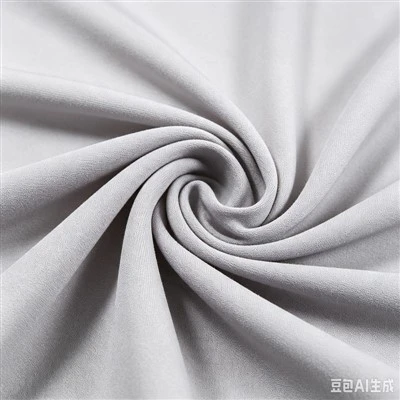
If you’re a designer looking for fabric for your next collection, a small business needing stock for your shop, or someone who’s been searching for the perfect silk velvet for a personal project (like a custom wedding gown or that living room sofa you’ve been wanting to upgrade), I’m here to help. I don’t do complicated ordering processes, no hidden fees, and I’m always happy to answer questions—whether it’s about weight, care, or how much yardage you need for a specific project. Just reach out, and let’s chat about what you’re working on. Silk velvet is one of those fabrics that never goes out of style, and I’d love to help you find the perfect piece for your next project.
Sofa Fabric References
The Textile Institute. (2021). Silk Velvet: History, Production, and Applications. Textile World.
Hollen, N., & Saddler, J. (2017). fabrics for interiors: A comprehensive guide to textiles for the home. Fairchild Books.
Mulberry Silk Council. (2020). Silk Fiber Properties and Grading Standards. International Silk Association.
Johnson, C. (2019). Understanding Velvet Weaves: From Double-Cloth to Cut-Pile. Textile Technology Digest.
Shaoxing Haoman Textile Co., Ltd.
As one of the most professional velvet fabric manufacturers and suppliers in China, we’re featured by quality products and good service. Welcome to wholesale custom made velvet fabric at competitive price from our factory. If you have any enquiry about cooperation, please feel free to email us.
Address: Room422, Building19, Keqiao Cross-border E-commerce Industrial Park, Shaoxing City, Zhejiang Province
E-mail: 30473967@163.com
WebSite: https://www.haomantextile.com/
