Hey there, if you’ve ever stood in a plant that’s suddenly lost grid power at 2 a.m., you know how critical an industrial diesel generator set is. But how many of us actually think about the warranty that comes with that heavy-duty workhorse? I’m a supplier of these things, and I get questions about warranties at least three times a week—most folks are worried they’ll be stuck with a huge repair bill if something breaks. Let’s cut through the jargon and talk about what these warranties actually cover, what they don’t, and what you need to look for before you pull the trigger on buying one. Industrial Diesel Generator Set
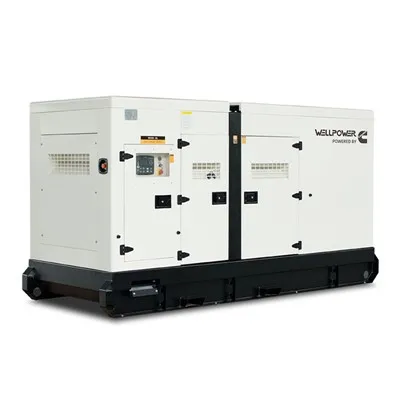
First off, let’s get one thing straight: industrial diesel generators aren’t the same as the portable ones you fire up for a camping trip. These are built to run nonstop for days, even weeks, powering hospitals, data centers, farms, or manufacturing lines. So their warranties aren’t like the “1-year parts and labor” you get for a residential AC unit. They’re way more customized, and that’s where a lot of buyers get tripped up.
When a customer buys a set from me, the first thing I ask is “What’s this generator going to power, and how often will it run?” That info shapes the warranty we offer. For example, a generator that only kicks on during grid outages a few times a year (standby duty) has a different warranty than one that runs 12 hours a day, 7 days a week (prime duty). I see people mixing these up all the time—they buy a prime-duty set for standby use and think the warranty is too weak, or vice versa. Let’s break down the main parts of a typical industrial warranty so you get the full picture.
Most industrial generator warranties have two main components: the base warranty from the engine manufacturer, and the extended coverage we (the supplier) can add on. The base warranty is non-negotiable for the most part—Cummins, Perkins, Deutz, all the big names do this. For standby-duty sets, the base warranty is usually 2 years or 2,000 operating hours, whichever comes first. For prime-duty, it drops to 1 year or 1,500 hours. That makes sense because prime-duty units are running way more. But wait—there’s a catch here. If you run your prime-duty set over its rated hours (say, the label says 1,800 hours a year and you’re pushing 2,500), that warranty is void right there. I’ve had customers do that trying to squeeze more out of their investment, and they’re shocked when they have to pay for a $5,000 engine overhaul out of pocket.
Then there are the exclusions, and this is where 90% of my warranty headaches come from. Let’s be clear: warranties don’t cover abuse, neglect, or the stuff the customer is supposed to handle. For example, if you skip the oil change for 500 hours because you “don’t have time,” and the engine seizes up, that’s on you. If you use the wrong diesel fuel—like that cheap off-road stuff with way too much sulfur—you’ll clog the injectors, and the warranty won’t pay for that. I always tell new customers: read the fine print on maintenance. The manufacturer’s service manual isn’t a suggestion, it’s a requirement. If you don’t follow it, you void the warranty.
What about parts vs. labor? The base warranty almost always covers parts, but labor is hit or miss. Some engine makers cover labor for the first 90 days, others only cover parts. That’s why we push our extended coverage plans so hard—they’re usually 1 to 3 additional years, and they cover both parts and labor. A lot of buyers think extended warranties are a scam, but when you’re talking about a $50,000 to $200,000 generator, a $5,000 extended plan that covers labor and parts for an extra 2 years is a no-brainer. I once had a client whose generator’s turbo failed at 2.5 years—base warranty was 2 years, so they paid $12,000 for the turbo and $2,000 in labor, because they skipped the extended plan. They called me a month later begging to add it on for their backup set, which is now covered.
Another thing a lot of people don’t realize: transferable warranties. If you buy a used industrial generator, the warranty might still be good, but only if you transfer it properly. Some engine makers charge a small fee to do the transfer, others don’t. I always make sure my customers know that if they ever sell their generator, they can transfer the base warranty to the new owner, which adds value to the unit. That’s a big selling point for anyone looking at a used set.
Now, let’s talk about what isn’t covered. Consumables are a huge one: oil filters, fuel filters, air filters, belts, hoses. Those are considered maintenance items, so you have to replace them yourself, and the warranty doesn’t cover them. Some extended plans will cover consumables for an extra fee, but base warranties never do. Also, environmental damage—if a flood ruins your generator, or a tornado blows a tree through the enclosure, that’s not covered. Acts of God, basically. And any modifications you do to the generator—like adding a custom control panel that messes with the fuel injection, or changing the exhaust system—will void the warranty. I’ve had a guy add a cheap aftermarket alternator to his set to save a few bucks, and when the engine died, the manufacturer refused to cover it. He was mad, but it was 100% his fault for modifying the unit.
Wait, what about remote monitoring? A lot of new generators come with remote monitoring now, which lets you check fuel levels, run hours, and engine health from your phone. That’s actually part of some extended warranties, because it helps catch issues early. If your remote alert tells you your oil pressure is low, you can fix it before it causes major damage, and that keeps your warranty valid. I always set up remote monitoring for my customers when we install the unit—they love it, and it saves them money on repairs down the line.
Now, how does the supplier’s warranty differ from the engine maker’s? Like I said, the base is from the engine company, but as the supplier, I add my own 90-day parts and labor warranty on top of that for any installation issues. If we wire the generator wrong and it fries your transfer switch, we fix that for free within those 90 days. That’s important because installation mistakes are way more common than people think. I’ve seen teams install generators backward, or use the wrong gauge wire, and that stuff’s not covered by the engine warranty. So having that supplier-backed installation warranty is a big peace of mind thing.
Another thing I always tell customers: keep detailed records. Every oil change, every filter replacement, every service call—write it down, save the receipts. If something goes wrong, the first thing the manufacturer will ask is “Show us your maintenance logs.” If you don’t have them, they’ll deny the claim, no questions asked. I had a small farm client a while back, he ran his generator for a power outage and the next week it wouldn’t start. He had all the parts, but couldn’t remember when he changed the fuel filter, so the manufacturer made him pay for a new fuel pump. It sucked for him, but he didn’t have the records. So my advice is to use that remote monitoring system we set up—it logs all that stuff automatically, so you don’t have to.
What about extended warranties beyond the base? I offer up to 5 years total coverage, depending on the unit and usage. For standby sets, 5 years is standard, for prime-duty, it’s usually 3 extra years. The cost of extended coverage is about 5-7% of the generator’s purchase price, and when you think about the average repair for an industrial diesel generator being $10,000+ per year, that’s a steal. I don’t push extended warranties on everyone, though. If a customer is buying a small 50kW standby set for a small shop, I might not push it, but if it’s a 500kW prime-duty set for a data center, I’m definitely going over the details with them.
Wait, let’s clear up a common myth: “Warranties cover everything.” No, they don’t. They cover defects in materials and workmanship. So if a part breaks because it was made wrong, the warranty covers it. If a part breaks because you ran the generator 24/7 without maintenance, or used bad fuel, or modified it, it doesn’t. That distinction is super important. A lot of customers come to me saying “The generator broke, why won’t you fix it?” and when I dig into it, it’s because they did something outside their rights.
Let me give you a real example from last year. A construction company bought a 200kW prime-duty set from me to power their jobsite. They ran it 18 hours a day for 6 months, and skipped a few oil changes to save time. One day, the engine started knocking, and they called me panicking. I got a tech out there, and it turned out the bearings were shot because of low oil pressure from old, dirty oil. The engine manufacturer denied the warranty claim because of inadequate maintenance. We tried to talk them into it, but no luck. The company ended up paying $8,000 for a new bearing job, and they added the extended warranty to all their other generators after that. That’s the kind of thing that makes me preach about reading the fine print—this company saved $500 on a couple oil changes, and lost $8,000.
What if something goes wrong and I need to make a warranty claim? The process is simpler than you think, if you have your records. First, you call me (or your supplier, if it’s not me) and tell me what’s wrong. I’ll have a service tech come out and inspect the generator, take photos and notes. Then we submit the claim to the engine manufacturer, along with your maintenance logs and the tech’s report. If it’s approved, we get the parts ordered, and either fix it on site or tow it to our shop. Most claims take 3-5 days to process, which is way faster than if you try to handle it directly with the manufacturer—they love working with us, since we’re a registered service provider, so claims go through smoother.
Another point: some warranties have a “no fault” clause for certain parts? No, not really. All defects have to be proven. But if you have an extended warranty through me, and it’s a part that’s covered, I’ll fight the manufacturer for you if they try to deny the claim without reason. That’s a big benefit of going through a local supplier, not a big box store or online seller. If you buy from a random online dealer, you’re just a number—they won’t help you fight a warranty claim. But I’ve got a good relationship with the engine reps, so when one of my customers has a valid claim, I get it approved.
Let’s talk about what to look for when you’re shopping for an industrial generator, specifically related to warranties. First, make sure you’re buying from a reputable supplier who offers a solid base warranty and clear extended coverage. Avoid anyone who gives you a “lifetime warranty” that sounds too good to be true—those are usually scams, or have so many exclusions that they’re worthless. Second, check if the warranty is transferable, especially if you might sell the generator in the future. Third, get everything in writing. Don’t take the salesperson’s word for it—ask for a copy of the full warranty document before you sign anything. I always give my customers a physical copy and a digital copy, so they have it on hand when they need it.
Wait, also, fuel type? Does that affect the warranty? Yep. If you run biodiesel blends higher than B20 (that’s 20% biodiesel) in a standard diesel generator, the warranty is void. Most industrial sets are designed for B5 or B20 at maximum, so if you’re using B30 or higher, you have to get a special unit built for that, with a modified fuel system. That’s another thing a lot of buyers don’t think about, and it leads to warranty claims being denied. I had a client who switched to B100 (pure biodiesel) to be eco-friendly, and his injectors clogged within 3 months. The manufacturer said no coverage, and he had to replace all 6 injectors for $4,000. Now I ask every customer about their fuel type before I even quote a unit.
What about generator enclosures? If you get a weatherproof enclosure for your industrial set, does that affect the warranty? Only if the enclosure is poorly made and causes damage. For example, if a cheap enclosure traps moisture and causes rust on the engine block, the warranty might deny the claim, but if you get a high-quality enclosure from a reputable brand, that’s fine. I work with a local enclosure company, and I always recommend their stuff because they know about generator warranties, so their enclosures are designed not to cause issues.
Let’s wrap this up with some quick tips to keep your warranty valid, because that’s the whole point—you don’t want to go through all this and have your claim denied. First, follow the maintenance schedule to a T. Change oil, filters, etc., on time, and keep records. Second, use the right fuel, parts, and any fluids. Don’t skimp on cheap aftermarket oil filters or that discount diesel. Third, don’t modify the generator unless you clear it with the supplier or manufacturer first. Fourth, run the generator regularly—even if it’s standby duty, you should test it once a month for 30 minutes, and run it for at least 2 hours every 6 months to keep the engine lubricated. I’ve had customers whose generators wouldn’t start during an outage because they never ran them, and the warranty denied the claim because of “inactivity-related damage.” That’s wild, but it’s in the fine print.
If you’re in the market for an industrial diesel generator, don’t just look at the price tag. The warranty is one of the biggest factors in how much that unit will cost you over its lifetime. A $100,000 generator with a 2-year base warranty and no extended coverage might end up costing you $15,000 in repairs if something breaks at 2.5 years, while a $110,000 generator with a 5-year warranty could save you all that money. I always tell my customers: it’s better to pay a little more upfront for a solid warranty than to get stuck with a huge bill later.

If you have more questions about warranties, or you’re ready to talk about what kind of generator and coverage works for your needs, hit me up. I’ve been doing this for over 12 years, and I’ve seen every possible warranty scenario, so I can walk you through exactly what you need. Don’t wait until you’re sitting in the dark at 2 a.m. trying to figure out why your generator won’t start and your warranty doesn’t cover it—reach out now, and we can get you set up right.
High Voltage Diesel Generator Set References:
- Cummins Inc. (2024). Industrial Diesel Generator Warranty Terms and Conditions.
- Perkins Engines Company Limited. (2024). Prime and Standby Duty Generator Warranty Guidelines.
- International Organization for Standardization (ISO 8528-5:2020). Reciprocating internal combustion engine driven alternating current generating sets — Part 5: Generator set and application.
Jiangsu Kaichen Electric Power Equipment Co., Ltd.
We are one of the most professional industrial diesel generator set manufacturers and suppliers in China, specialized in providing high quality diesel generators with reasonable price. We warmly welcome you to buy cheap industrial diesel generator set from our factory. Contact us for pricelist and quotation.
Address: Dinghuo Industrial Park, Jiangdu District, Yangzhou, Jiangsu Province
E-mail: 19962469616@163.com
WebSite: https://www.jskaichen-power.com/
