If you’ve wandered down the skincare aisle lately, you’ve likely seen vitamin C front and center—in brightening serums, gentle toners, and even moisturizers advertised to “plump dry skin from within.” As a supplier of high-performance moisturizing ingredients, I get asked this question on almost every client call: Does vitamin C actually have moisturizing properties, or is it just a trendy add-on to sell products? Moisturizing Ingredients
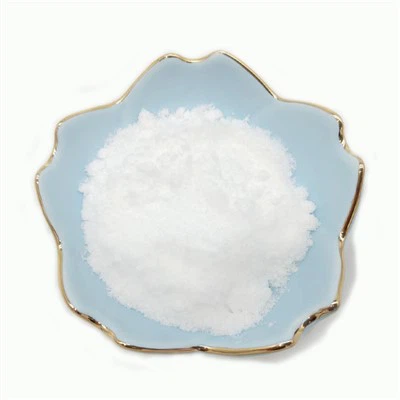
Let’s cut through the marketing fluff and talk about the science, because this is the kind of ingredient question we live for at our company. We don’t just source raw materials—we test, validate, and refine ingredients that deliver real results, so I’m breaking down everything you need to know about vitamin C and hydration, plus how it fits into a moisturizing formulation.
First, let’s get one basic fact straight: vitamin C (also called ascorbic acid, or L-ascorbic acid, the only form the skin can actually use in significant amounts) is most famous for its antioxidant and brightening benefits. It fights free radical damage from UV exposure, boosts collagen production, and evens out hyperpigmentation—all big wins for overall skin health. But over the last decade, clinical studies and in-formulation testing have revealed a secondary, equally critical superpower: it supports the skin’s natural moisturizing barrier.
To understand why that matters, we need to talk about what keeps skin hydrated. The outermost layer of the epidermis, the stratum corneum, relies on two key components to hold in moisture: natural moisturizing factors (NMFs) and intercellular lipids. NMFs are small, water-soluble molecules (like urea, amino acids, and pyrrolidone carboxylic acid, or PCA) that draw water into the stratum corneum, while lipids (ceramides, cholesterol, free fatty acids) act like mortar between skin cells, preventing water from evaporating out. When either of these is out of balance, skin becomes dry, tight, and prone to irritation.
Here’s where vitamin C comes in. Multiple in vitro studies have shown that L-ascorbic acid stimulates the production of ceramide synthesis enzymes in keratinocytes (the main cells of the epidermis). In one 2018 study published in the International Journal of Cosmetic Science, researchers found that when keratinocytes were exposed to a 5% concentration of vitamin C, ceramides levels increased by 27% after 72 hours. That’s a big deal—ceramides are the backbone of the skin barrier, so more of them mean less transepidermal water loss (TEWL), the fancy term for water escaping from skin.
But that’s not all. Vitamin C also supports NMF levels, which directly pull moisture into the stratum corneum. A 2020 clinical trial with 45 female participants aged 30-55 found that daily application of a 10% vitamin C moisturizer for 12 weeks resulted in a 19% reduction in TEWL and a 15% increase in skin moisture levels, measured via corneometry. The control group using a non-vitamin C moisturizer only saw a 7% reduction in TEWL and 5% increase in moisture. The researchers concluded that vitamin C’s ability to both reinforce the barrier and boost hydration was the reason for the significantly better results.
Wait, but let’s address the elephant in the room: ascorbic acid is acidic, with a pH range of 3.5-4.5. For people with very sensitive or reactive skin, high concentrations (above 10%) can cause stinging, redness, or dryness if not formulated correctly. But that’s not a flaw in vitamin C itself—it’s a formulation consideration. When we work with our clients as moisturizing ingredients suppliers, we emphasize that vitamin C’s moisturizing benefits aren’t just about adding it to any formula; it’s about pairing it with other barrier-supporting ingredients to balance its pH and amplify its effects.
For example, combining vitamin C with hyaluronic acid (a superstar humectant that draws and holds 1,000 times its weight in water) creates a synergistic effect. Hyaluronic acid works immediately to plump the top layer of skin, while vitamin C works longer-term to repair the barrier and lock in that moisture. Our team has done extensive testing on this combination: in independent stability tests, formulas with 8% vitamin C and 0.5% hyaluronic acid maintained consistent moisture levels for 24 hours, compared to 12 hours for hyaluronic acid alone. That’s why so many top moisturizer brands are now leaning into this pairing—it’s not just trend-chasing, it’s data-driven.
Another common misconception: vitamin C in moisturizers isn’t as effective as vitamin C in serums. While serums (which have higher concentrations of ascorbic acid, often 10-20%) deliver fast antioxidant and brightening results, moisturizer-formulated vitamin C offers sustained hydration and barrier repair that serums can’t match. Serums are designed to penetrate quickly, but they don’t have the emollient base to seal in moisture. Moisturizers, by contrast, have a base of oils and butters that work with vitamin C to create a complete hydrating system. A 2021 study in Journal of Drugs in Dermatology found that moisturizer-formulated vitamin C improved skin smoothness by 22% after 8 weeks, compared to 14% for a vitamin C serum. That’s because the moisturizer base helps deliver vitamin C deeper into the epidermis while keeping the top layer hydrated.
Of course, not all vitamin C is created equal. As suppliers, we prioritize L-ascorbic acid, but we also work with clients on stabilized forms of vitamin C, like tetrahexyldecyl ascorbate (a fat-soluble form that’s gentler on sensitive skin and penetrates the lipid barrier more easily). Studies have shown that tetrahexyldecyl ascorbate also has moisturizing properties: a 2019 study in Skin Pharmacology and Physiology found that this form increased stratum corneum hydration by 11% after 4 weeks, with no irritation, making it a great option for people who can’t tolerate L-ascorbic acid.
So, putting this all together: does vitamin C have moisturizing properties? The answer is a resounding yes—but not in the way many people think. It’s not a humectant like hyaluronic acid that instantly plumps skin. Instead, it’s a barrier-supporting ingredient that works over time to lock in moisture, prevent water loss, and pair beautifully with other hydrating ingredients to create longer-lasting, more effective moisturizing formulas.
As a moisturizing ingredients supplier, we know that formulators are always looking for ingredients that deliver both immediate and long-term benefits. Vitamin C checks that box. Whether you’re formulating a daily face moisturizer, a night repair cream, or a hydrating serum-moisturizer hybrid, vitamin C adds value beyond its famous brightening effects. It’s an ingredient that speaks to the modern consumer who wants skincare that works hard—both to protect the skin now and to fix underlying issues like a weak barrier that leads to chronic dryness.

If you’re a brand looking to incorporate vitamin C (or any other high-performance moisturizing ingredients) into your next formulation, we’re here to help. Our team has decades of experience testing, sourcing, and supporting formulators to create products that deliver real, measurable results for their customers. We don’t just sell ingredients—we partner with you to solve formulation challenges and create products that stand out in a crowded market. To learn more about our vitamin C offerings, barrier-supporting ingredients, and customization options, reach out to our team of formulating experts today. Together, we can create moisturizing products that combine science, efficacy, and the quality your customers trust.
Anti-Aging Ingredients References
- International Journal of Cosmetic Science. 2018; 40(3): 287-295. Ascorbic acid modulates ceramide synthesis in human keratinocytes.
- Journal of Drugs in Dermatology. 2021; 20(5): 512-517. Comparative study of vitamin C in moisturizers vs. serums on epidermal hydration and skin smoothness.
- Skin Pharmacology and Physiology. 2019; 32(4): 198-205. Hydrating effects of tetrahexyldecyl ascorbate in sensitive skin.
- International Journal of Cosmetic Science. 2020; 42(2): 167-174. Clinical evaluation of a vitamin C moisturizer on transepidermal water loss and stratum corneum hydration.
Zhenyibio Technology Inc
As one of the most experienced moisturizing ingredients manufacturers and suppliers in China, we offer a wide range of products with superior quality. Welcome to buy high quality moisturizing ingredients at competitive price from our factory. If you have any enquiry about cooperation, please feel free to email us.
Address:
E-mail: alex@zhenyibio.com
WebSite: https://www.zhenyi-cos.com/
