Hey guys, let’s cut to the chase—if you’re a home hobbyist, a small shop builder, or someone who just needs to slice through metal without breaking a sweat, finding the right metal cutting band saw isn’t just a “nice-to-have” tool. It’s a game changer. I’ve been selling these things for years, and I’ve heard every question from folks standing in my showroom, sliding into my DMs, or rambling to me at local woodworking/metal meetups: “Can I get a metal saw that doesn’t cost a month’s rent?” “Will it actually cut thick steel without bending the blade?” “Do I need something fancy for just occasional use at home?” Metal Cutting Band Saw
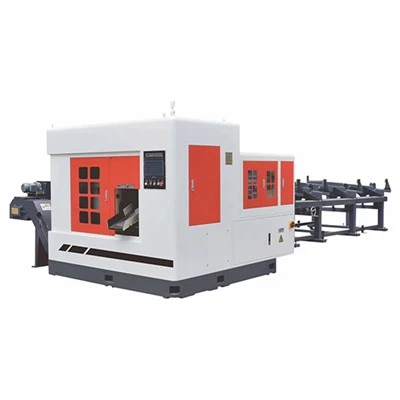
First, let’s clear up a myth I hear all the time: a lot of people think you need a industrial-grade behemoth with 5 horsepower and a 12-inch throat to cut metal at home. Nah, that’s overkill for 90% of home users. Industrial saws are built for 8-hour shifts every single day, but home use is usually a few hours a week—whether you’re building a fence, fixing a bike frame, turning out custom planters, or messing around with scrap aluminum for a project. So the best pick needs to balance power, portability, ease of use, and not cost you a kidney.
Let’s break down the key stuff you should care about before buying, and then I’ll tell you the exact model I’d point a home user to every time.
First, blade size. For metal cutting band saws, the blade’s width and the throat (that’s the gap from the blade to the frame) matter most. If you’re only slicing small stuff—like 1/4-inch steel rods, thin aluminum sheet, or bike tubes—you can get away with a 1/4-inch to 1/2-inch wide blade. Those are cheaper, flex a little, and work fine for thin materials. But if you’re cutting thicker stuff, like 1-inch square steel tubing for a garden bed frame, or even 2-inch solid steel occasionally, you want a 3/4-inch blade. It’s stiffer, doesn’t wander as much, and will give you a straighter cut. A lot of cheap home saws come with tiny 1/8-inch blades—those bend so easy, you’ll snap them every time you try to cut anything thicker than a paperclip. Don’t do that to yourself.
Then there’s speed. Metal hates being cut too fast— that’s how you burn the blade, melt the metal, and get a lousy, rough cut. Most home band saws have two speed settings: high (for wood, plastic) and low (for metal). The metal speed is usually around 80-120 feet per minute (FPM). Any lower than 80 FPM, and it’s too slow—you’ll spend 10 minutes cutting a 1/2-inch rod. Any higher than 120 FPM, and you’re asking for blade burn. So avoid any saw that only has one speed, or a metal speed above 150 FPM.
Portability vs. Stationary. A lot of home users don’t have a dedicated shop space—their garage is also a storage closet for holiday decor, their patio is the spot they work on projects after dinner. So if you need to move the saw around, look for a model that’s under 80 pounds. Heavy-duty stationary saws are 150+ pounds—you can barely drag a workbench with that, let alone the saw. But if you have a permanent spot in your garage, stationary might be better because they’re usually more stable, so cuts are straighter.
Now, let’s talk about the actual model I recommend for home use: the 9-inch benchtop metal cutting band saw. Wait, 9-inch, not 10? Let me explain. 10-inch models have a 10-inch throat, which sounds bigger, but they’re way bulkier, more expensive, and overkill for home. A 9-inch benchtop saw has an 8-inch throat, which is enough to cut material up to about 8 inches wide—way more than you’ll ever need for home projects.
Let’s list why this is the sweet spot, straight from what I’ve seen work for hundreds of home users:
First, it’s affordable. A good 9-inch metal cutting band saw runs $300-$500, which is nothing compared to industrial models that start at $2,000. For occasional use, that’s perfect—you’re not going to wear it out in 5 years, and if you do, it’s way cheaper to replace than a big rig.
Second, it has the right blade specs. Most 9-inch models come with a 3/4-inch blade, which as I said, is stiff enough to cut 1-inch steel like butter. You can upgrade blades cheap too—get a bi-metal blade, which lasts way longer than the cheap carbon steel ones that come free with the saw. Bi-metal blades will set you back $15-$20, and they’ll cut 10x more material before snapping.
Third, speed control. The good 9-inch benchtop models have variable speed control, not just two settings. Wait, variable speed is a big deal for home users. Sometimes you’re cutting soft aluminum (which needs a faster speed than steel), sometimes you’re cutting thick steel (needs super slow), sometimes you’re cutting brass for a custom lamp. Variable speed lets you tweak it exactly to the material, which gives you cleaner cuts and longer blade life. A lot of budget 9-inch saws only have two speeds, but the mid-range ones (which are worth the extra $50) have variable.
Fourth, it’s compact. The 9-inch benchtop takes up about 2 feet of space on your workbench—way smaller than a floor model. If your garage is cramped, that’s perfect. I have a customer who uses his on his patio, since he only works on projects when the weather’s nice, and he can tuck it away in the corner when not in use.
Wait, but let’s be real—no tool is perfect. What are the downsides of a 9-inch benchtop saw? The max cut capacity is about 8 inches, so if you’re trying to cut a big I-beam for a deck project, this isn’t it. But again, that’s not home use. Most home projects don’t need that. Also, some super cheap models (under $300) have flimsy frames that vibrate a lot when cutting thick metal, which makes the cut wavy. So I always tell people to skip the no-name Amazon specials that cost $200. Those are garbage—you’ll spend more on replacement blades and repairs than you would on a good mid-range 9-inch model.
Let’s also talk about what NOT to get. A lot of guys come in asking for a band saw that can do wood and metal, but wait—there’s a difference between a wood band saw that can “handle” a little metal, and a dedicated metal cutting band saw. Wood band saws have thin, flexible blades, high speed (good for wood, bad for metal), and no coolant system. Metal band saws have stiffer blades, lower speed, and a small coolant reservoir to keep the blade from overheating. If you try to cut metal with a wood band saw, you’ll snap the blade in 2 minutes, burn the motor, and ruin your saw. Don’t do that. I’ve seen it happen too many times. Another no-no: oscillating blade models. Those are for really thin stuff, like sheet metal, and they don’t have the power for thicker material.
Wait, let’s add a quick pro tip from my side of the counter. When you’re using your metal cutting band saw, always use the right coolant. It doesn’t have to be fancy—even a 50/50 mix of water and cutting fluid works. The coolant keeps the blade cool, reduces friction, and makes the cut way cleaner. I had a guy last year who was cutting 1-inch steel rods with no coolant, and his blade burned out in a week. He came back screaming, and I showed him the coolant trick—he’s now gone 6 months with the same blade, no issues. That’s a free win for you.
Another thing: blade tension. A lot of new users forget to adjust the blade tension before cutting. If the blade’s too loose, it will wander and bend. If it’s too tight, it will snap immediately. Most band saws have a tension gauge, so just check it before every use. That’s super easy, and it saves you a ton of hassle.
Now, let’s make sure I’m not missing anyone. What if you’re a more active home user—like, you build small furniture or custom metal stuff every weekend? Then maybe step up to a 10-inch benchtop model. It’s only a $100-$150 more, has a 9-inch throat, and more power, so it can handle occasional cuts up to 2 inches thick without breaking a sweat. That’s a good upgrade if you find yourself using the saw 2-3 times a week, not once a month.
What about budget options? If you’re really tight on cash, I get it—everyone’s been there. There are some solid 9-inch metal cutting band saws for under $350, you just have to look for ones with a metal frame (not plastic) and at least two speed settings. Just read the reviews before buying—check for comments about blade vibration, because that’s the big complaint with cheap ones.
Wait, let’s wrap this up. The best metal cutting band saw for home use is definitely a mid-range 9-inch benchtop model with variable speed, a 3/4-inch bi-metal blade, and a sturdy metal frame. It’s affordable, takes up little space, and can handle 99% of the home projects you’ll throw at it—from fixing a lawnmower frame to building a backyard fire pit to cutting aluminum sheets for a custom toolbox. It’s not overkill, it’s not too expensive, and it’s way better than jigsaws or angle grinders for clean, straight metal cuts (no more jagged edges that take 20 minutes to sand down).

If you’re ready to stop messing around with tools that don’t get the job done, or you want a recommendation tailored to your specific projects, hit me up to talk through your needs. I can help you pick the right blade, set up your saw, and even give you tips to make it last for years. No pushy sales stuff, just real advice from someone who’s been in this game for years.
Automatic Band Saw References:
- "Metal Cutting Band Saw Buyer’s Guide", Portable Tools Association, 2023
- "Bi-Metal Band Saw Blade Performance", Industrial Metalworking Journal, 2022
- "Space Requirements for Home Workshop Tools", Home Improvement Research Institute, 2021
Shanghai Loginfly Sawing Technology Co., Ltd.
As one of the most professional metal cutting band saw manufacturers and suppliers in China, our products have good reputation in the market. We warmly welcome you to wholesale premium metal cutting band saw from our factory. If you have any enquiry about cooperation, please feel free to email us.
Address: Room 506 NO.655 Yinxiang Road,Nanxiangtown,Jiading District, Shanghai.China
E-mail: sales01@loginfly.com
WebSite: https://www.loginflysaws.com/
