If you’ve ever shopped for melamine faced plywood, you know how easy it is to leave the store with a handful of price tags, more questions than answers, and a vague sense that no two quotes are exactly the same. As a melamine faced plywood supplier who’s been in this business for 12 years, I get it—for a lot of folks, the price per sheet can feel like a moving target. Let me break down what actually shapes that number, walk through what you can expect to pay, and explain why a few small details can make a huge difference in your final cost. Melamine Faced Plywood
First, let’s get one thing straight: there is no single universal price for a sheet of melamine faced plywood. That’s because the product itself is not a one-size-fits-all item. The core plywood beneath the melamine layer, the thickness of the sheet, the quality of the melamine finish, and even where you’re buying it from all play a role. As someone who works with suppliers, manufacturers, and regular contractors and homeowners every day, I’ve seen prices swing from as low as $18 per sheet to as high as $65 or more, depending on these variables. Let’s start with the basics so you can understand exactly what you’re paying for.
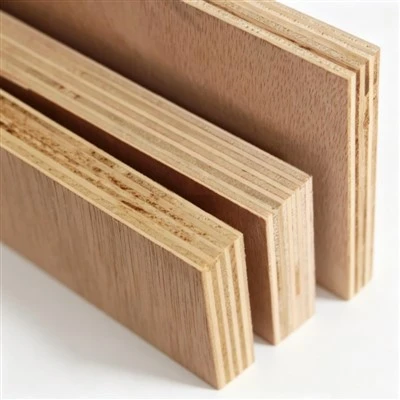
The foundation of every melamine faced plywood sheet is the core plywood. Most standard sheets use softwood plywood, usually made from pine, fir, or spruce, but some premium options use hardwood plywood like birch or oak. Softwood cores are cheaper because they’re easier to mill and more widely available, while hardwood cores require more processing and rare timber, so they add a few dollars to the final cost. For example, a 3/4-inch softwood core sheet might be $22, while the same thickness with a birch core could jump to $30. That’s just the core—then there’s the melamine layer on top.
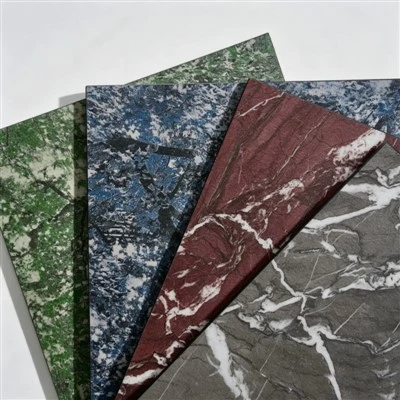
The melamine finish is a resin-impregnated paper that’s bonded to the plywood under high heat and pressure. Not all melamine is the same, though. Cheaper sheets use thin, low-density melamine paper that can scratch or fade easily, especially if you’re using it for high-traffic projects like kitchen cabinets or store displays. These might have a subtle, visible texture where the paper is not evenly bonded, and they’re more likely to peel if water gets trapped along the edges. Higher-quality melamine is thicker, denser, and has a smoother, more consistent finish. It’s also resistant to stains, scratches, and moisture, which makes it worth the extra cost for long-lasting projects. On average, the melamine layer adds between $5 and $15 to the cost of the sheet, depending on its quality.
Thickness is another big factor. Melamine faced plywood comes in standard thicknesses: 1/4-inch, 3/8-inch, 1/2-inch, 5/8-inch, and 3/4-inch. Thicker sheets are more durable and less likely to warp, but they also use more raw material, so their price goes up. A 1/4-inch sheet is designed for things like backsplashes or small craft projects, so it’s the cheapest—usually around $18 to $22. A 5/8-inch sheet, which is popular for cabinet sides or furniture panels, will run around $25 to $35, and the 3/4-inch sheet, the most common choice for full cabinets, shelving, and wall paneling, is usually between $30 and $55. That range is wide, though, so let’s narrow it down with another key variable: whether the sheet is a “single-face” or “double-face” melamine.
Single-face sheets have melamine on one side and unfinished plywood on the other. These are great if you only need one finished side, like for a wall where the back will be covered with drywall, or a cabinet where the inside will be painted. Double-face sheets, on the other hand, have melamine on both sides, which means you don’t have to finish or sand the back at all. These are ideal for things like bookshelves, desk tops, or furniture where both sides will be visible. Double-face sheets add about 10 to 15 percent to the cost of a single-face sheet. So a 3/4-inch single-face sheet that costs $35 would cost around $40 for the double-face version.
Now, let’s talk about other factors that impact the price, because even two sheets with the same thickness, core, and melamine finish can have different costs. One of those is the size of the order. If you’re a homeowner doing a small kitchen reno and you only need 10 sheets, you’ll pay a retail price. If you’re a contractor or a furniture maker buying 100 or more sheets at a time, you’ll get a wholesale discount, which can cut the price by 15 to 25 percent. That’s because large orders reduce the supplier’s per-unit shipping and handling costs, so we can pass that savings on. Another factor is the finish type. Melamine comes in matte, gloss, textured (like wood grain or stone), and even custom prints. Matte finishes are the most common and cheapest, while gloss finishes add a bit more, and textured or custom prints can add $5 to $10 per sheet.
Location also matters. If you’re buying in a rural area with only one or two suppliers, prices will be higher because of limited competition. If you’re in a city with multiple wholesale distributors, you’ll have more options and lower prices. As a supplier, we ship to most of the contiguous United States, and we find that prices here are often 10 to 15 percent lower than in areas with less access to wholesale suppliers, because we can source our materials in bulk and cut out middlemen.
Wait, you might be wondering: why would anyone pay more for a melamine faced plywood sheet when other options like solid wood or MDF are cheaper? The answer is durability and ease of use. MDF, which is made from wood fibers compressed with resin, is often cheaper upfront, but it absorbs moisture easily and can swell if it’s near a sink or window. Solid wood is more durable, but it’s heavier, more expensive, and requires sanding, staining, or painting. Melamine faced plywood is a middle ground: it’s lighter than solid wood, more resistant to moisture and scratches than MDF, and it comes ready to install, so you don’t have to spend time finishing it. That’s why it’s such a popular choice for everything from kitchen cabinets to retail displays.
Let me give you a few real-world examples to make this concrete. Last month, a customer who was building a small bookshelf came to us needing 5 sheets of 1/2-inch, single-face, matte white melamine faced plywood with a softwood core. The retail price for that order was $140, but because he was a repeat customer, we gave him a 10 percent discount, so he paid $126 total. Another customer, a cabinet maker working on a 10-unit kitchen project, needed 80 sheets of 3/4-inch, double-face, oak-grain melamine faced plywood with a birch core. The wholesale price for that order was $3,000, which worked out to $37.50 per sheet, a 20 percent discount from retail. Those numbers are typical, and they show how order size and intended use shape the final cost.
Of course, there are also some hidden costs to consider if you’re not just buying the sheet itself. Shipping is a big one. If you’re buying a small order, shipping can add $50 to $100 to your total, depending on where you are. If you’re buying a large order, shipping per sheet goes down, but it’s still important to factor that in. Also, some suppliers charge for custom cuts or edge banding, which are popular services for contractors and homeowners who don’t want to trim or sand the edges themselves. Edge banding, which is a thin strip of melamine that covers the raw plywood edge, adds about $0.50 to $1 per linear foot, so a 3/4-inch sheet with 12 linear feet of edges would add $6 to $12 to your cost.
As someone who’s spent 12 years in this industry, I can tell you that the biggest mistake people make when pricing melamine faced plywood is focusing only on the lowest per-sheet price. A $20 sheet might seem like a steal, but if it’s a thin, low-quality softwood core with a thin melamine layer, it could scratch easily, warp within a year, or peel at the edges after just a few spills. That means you’ll have to replace it sooner, which ends up costing more in the long run. A $35 sheet, which has a hardwood core and a thick, scratch-resistant melamine layer, might seem more expensive upfront, but it will last for decades, making it a better value for projects that need to hold up over time.
So, what should you do if you’re shopping for melamine faced plywood? First, figure out exactly what you need: thickness, number of faces, finish, and core type. If you’re not sure, a good supplier can help you pick the right one for your project. For example, if you’re building a bathroom vanity, a 5/8-inch sheet with a moisture-resistant softwood core and a stain-resistant melamine finish is the way to go. If you’re building a decorative wall panel, a 1/4-inch sheet with a matte or textured finish will work perfectly.
If you’re ready to get a more accurate price for your specific needs, don’t hesitate to reach out. As a melamine faced plywood supplier, we work with all kinds of customers, from homeowners doing small projects to large contractors and retailers. We can give you a custom quote based on your order size, required features, and delivery location, and we’ll make sure you get a product that fits your budget and your project needs. Whether you have questions about core types, finish options, or order minimums, we’re here to help.
Melamine Faced Chipboard References:
- American Wood Council. (2022). "Plywood Grading and Characteristics for Interior Applications". Forest Products Society.
- Melamine Resin Manufacturers Association. (2021). "Performance Standards for Melamine Impregnated Paper for Wood Composites". International Wood Products Journal.
- U.S. Bureau of Labor Statistics. (2023). "Wholesale Prices for Softwood Plywood and Decorative Surfaces". Monthly Manufacturing Report.
- National Association of Home Builders. (2022). "Cost Analysis of Building Materials for Residential Cabinetry". Home Builder Research Digest.
Jiangshan Shunlong Wood Industry Co., Ltd.
As one of the most professional melamine faced plywood manufacturers and suppliers in China, our products have good reputation in the market. Please feel free to wholesale bulk melamine faced plywood in stock here and get quotation from our factory. We also accept customized orders.
Address: No.7 Jinfeng Road, Jintangshan Industrial Zone, Hecun Town, Jiangshan City, Quzhou City, Zhejiang Province
E-mail: 17858202655@163.com
WebSite: https://www.shunlongwood.com/
