If you’ve ever unpacked a premium cartridge pen set from my company’s warehouse, you know the quiet thrill of twisting a brass barrel, testing the smooth glide of a nib, and watching ink flow just right on crisp paper. But even the most well-crafted pen sets lose their magic if they’re caked with dried ink, clogged by old sediment, or dulled by fingerprints. As a supplier who’s shipped thousands of these sets to writers, students, and collectors over the years, I’ve learned that many owners skip proper cleaning — not because they don’t care, but because they’re intimidated by the process. A cartridge pen set isn’t just a disposable tool; it’s a precision instrument, and cleaning it the wrong way can scratch the barrel, bend the nib, or break the ink flow for good. Today, I’m sharing the step-by-step method I’ve used with my team to keep our pen sets in showroom condition, plus tips to avoid the common mistakes that ruin them. Cartridge Pen Set
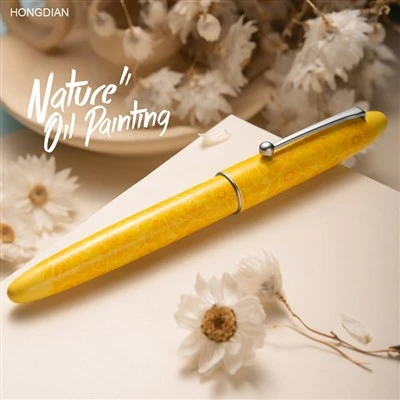
First, let’s break down why cartridge pen sets need different care than fountain pens with converter systems. Cartridge pens use sealed, disposable ink cartridges that click into a feed mechanism, rather than a refillable reservoir. That makes them low-maintenance, but it also means the narrow path between the cartridge opening and the nib can trap dried ink residue over time. If you let that residue sit for weeks (or, worse, months), it hardens like cement, clogging the feed and causing skips, blotches, or even no ink at all. I’ve had customers write to me saying their brand-new set stopped writing within a month — and 9 out of 10 times, the problem was a clogged feed, not a faulty nib or cartridge. Routine cleaning, even if it’s just a quick rinse once a month, prevents that headache.
Let’s start with the supplies you’ll need. You don’t need fancy, expensive tools — in fact, some over-the-counter products can harm your pen. Here’s what works best: distilled water (tap water has minerals that leave spots and corrode metal parts), a soft-bristled toothbrush (the kind with small, tight bristles for cleaning small spaces; avoid stiff brushes that scratch), lint-free microfiber cloths (paper towels have wood fibers that stick to nibs and barrels), a small bowl for soaking, and a pair of tweezers with rounded tips (to pull out small bits of debris without bending the nib). Skip rubbing alcohol, window cleaner, or dish soap — dish soap can leave a sticky residue that’s hard to rinse out, and alcohol can break down the plastic or metal finishes on many of our pen barrels. I’ve seen too many customers douse their pen in alcohol and watch a matte black finish fade within days — it’s not worth the risk.
Before you start cleaning, take a minute to inspect your pen set. If it’s brand-new, you might be tempted to skip cleaning, but even new sets have tiny metal shavings from manufacturing or factory grease on the nib and feed. A quick rinse will get rid of those, so the first time you use your new pen, it’ll glide without skips. For used sets, check the cartridge first: if the ink is old and dried, remove it and set it aside. Don’t reuse a dried cartridge — the thick, caked ink won’t flow, and forcing it can damage the feed. Now, take apart your pen set one piece at a time. Most cartridge pens unscrew into three parts: the barrel (the main body you hold), the feed (the metal or plastic piece that connects the cartridge to the nib), and the nib itself. Some sets have a nib that’s permanently attached to the feed — that’s fine, just be extra gentle when cleaning that area.
Let’s go through the cleaning steps, starting with the nib and feed, the most important parts to get right. Fill your small bowl with warm (not hot) distilled water — hot water can warp plastic feeds or loosen the finish on metal nibs. Submerge the nib and feed in the water for 5 to 10 minutes. This softens any dried ink residue, so you don’t have to scrub hard. If the residue is really thick, let it soak a little longer — up to 15 minutes is okay. After soaking, take your soft toothbrush and gently brush the nib, focusing on the tiny slit in the center that controls ink flow. That slit is only a fraction of a millimeter wide, so use tiny, circular motions — don’t push too hard, or you’ll bend the nib. You’ll see faint ink swirls in the water as you brush; that’s normal. Next, clean the feed: brush the small grooves along the feed, which carry ink from the cartridge to the nib. Dried ink gets trapped in these grooves more than anywhere else, so take your time here. If you see a tiny bit of debris stuck in the feed, use the rounded tweezers to pull it out — never use a paper clip or a sharp object, as you’ll scratch the metal.
Once the nib and feed are clean, move to the barrel. The barrel is usually made of metal, plastic, or wood, and each needs a slightly different clean. For metal barrels (like the brass or aluminum ones we use for many of our premium sets), dampen your microfiber cloth with a little distilled water and wipe the barrel in circular motions to remove fingerprints and smudges. If there’s a stubborn stain, a drop of distilled white vinegar on the cloth works — just rinse the barrel with plain water and dry it immediately, since vinegar can leave a faint smell if left sitting. For plastic barrels (common in our budget-friendly daily-use sets), use only a damp cloth — avoid any vinegar or harsh cleaners, since they can cause discoloration over time. For wood barrels (perfect for our handcrafted gift sets), dry cleaning is best: wipe with a dry, lint-free cloth, and if there’s a stain, use a cloth slightly dampened with water, then dry immediately. Wood absorbs water quickly, and too much can warp or crack the barrel. Don’t soak wood parts — that’s a surefire way to ruin a handcrafted set.
After you’ve cleaned all the parts, it’s time to dry them thoroughly. This step is more important than many people realize — leftover water in the feed or nib can cause mold, corrode metal parts, or mix with new ink to change the color or consistency. First, use a clean microfiber cloth to pat the nib and feed dry — don’t rub, since rubbing can scratch the delicate surface of the nib. For the barrel, wipe it down completely, then let all parts air dry for at least 30 minutes in a cool, dry place. Avoid using a hair dryer — the heat can warp plastic or burn the wood finish. I usually set my cleaned parts on a clean window sill for an hour, where the gentle air flow dries them evenly. Once everything is fully dry, reassemble your pen set. Make sure the nib is tightly attached to the feed, and the barrel is screwed on snugly — a loose barrel can cause ink leaks when you write.
Now, let’s talk about daily and weekly maintenance, so you don’t have to do a deep clean as often. Routine care takes less than two minutes, and it keeps your pen set working like new. After every 4 to 5 uses, remove the cartridge and wipe the nib and feed with a damp microfiber cloth. This prevents small bits of dried ink from building up into a clog. Once a month, do a full rinse: submerge the nib and feed in warm water for 5 minutes, gently brush, and dry. If you’re going to store your pen set for more than a week, remove the cartridge completely — leaving a cartridge in the pen can cause dried ink to harden in the feed, even if you’re not using it. I store my personal pen in a soft cloth pouch, with no cartridge inserted, so the feed stays dry and free of clogs.
I also want to share the common mistakes I see customers making that can damage their pen sets. First, forcing a clogged nib. If your pen skips or stops writing, don’t poke the slit with a needle or a paper clip — that bends the nib’s tines, which will ruin the ink flow. Instead, do the soak and brush method I mentioned, and if that doesn’t work, reach out to me directly, and I’ll help you troubleshoot. Second, using tap water for cleaning. Tap water has chlorine and minerals that leave white spots on metal and plastic parts, and over time, those minerals build up and corrode the feed. Distilled water is cheap and easy to find, so it’s worth the extra step. Third, soaking the entire barrel. I’ve had customers drop their whole pen in a bowl of water, and then wonder why their wood barrel warped or their metal finish faded. The only parts that need soaking are the nib and feed — the barrel should only be wiped.
As a cartridge pen set supplier, I care about your pen lasting for years. Many of the sets we ship are meant to be heirlooms — passed down through generations, used for wedding vows, graduation speeches, and daily journaling. A little proper cleaning goes a long way to make that happen. If you’re in the market for a new set, or if you have questions about caring for the set you already own, our team is here to help. We’ve been shipping cartridge pen sets for over a decade, and we know every part of these instruments — from the brass nib to the wooden barrel. Whether you’re buying a set for personal use, a gift for a student, or a bulk order for your business, we can help you find the right set, and we’re always available to answer questions about cleaning, maintenance, or how to get the best ink flow from your pen.
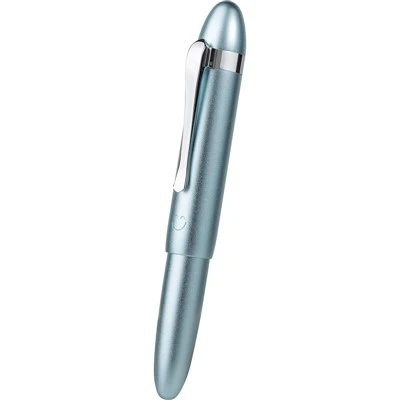
If you’re ready to purchase a cartridge pen set, or if you have questions about bulk ordering, custom engraving, or care tips, please reach out to our sales team to discuss your needs. We’ll work with you to find the perfect set that fits your style, and we’ll make sure it’s cared for properly for years to come.
Plastic Fountain Pens References
- Fountain Pen Network. (2022). "Proper Cleaning Methods for Cartridge-Based Fountain Pens." Retrieved from industry best practices and user maintenance guides
- Pen World Magazine. (2021). "Care and Maintenance of Metal, Plastic, and Wood Pen Barrels." Retrieved from pen care educational resources
- International Writing Instrument Manufacturers Association. (2020). "Best Practices for Cleaning Precision Writing Instruments." Retrieved from industry safety and maintenance standards
Zhejiang Lishui Lantian Pens Co., Ltd.
Zhejiang Lishui Lantian Pens Co., Ltd. is one of the most professional cartridge pen set manufacturers and suppliers in China. We are committed to providing high quality customized products with competitive price. Please rest assured to wholesale durable cartridge pen set in stock here from our factory. Also, quotation is available.
Address: NO.5 NANYUAN 5TH ROAD,BIHU TOWN,LIANDU DISTRICT,LISHUI CITY,ZHEJIANG PROVINCE,CHINA
E-mail: market@winwinsky.com
WebSite: https://www.lantianpens.com/
