If you’ve ever pulled a pen from your bag to sign a contract, jot down a quick note on a napkin, or draft a half-formed idea in a notebook, odds are you grabbed either a ballpoint or a gel rollerball. But if you’ve ever paused to wonder what makes that second option different—why it glides so smoothly without skipping, leaving thicker, more vivid lines, and why some writers swear by it for everything from journaling to architectural sketching—you’re not alone. As a rollerball pen supplier who’s spent the last 12 years hand-selecting, testing, and shipping these pens to small businesses, artists, students, and everyone in between, I get asked this question at least once a week: What exactly is a gel rollerball pen? It’s not just a “fancy ballpoint,” and it’s not the same as a traditional fountain pen, either. Let’s break it down—beyond the marketing buzzwords—so you can know exactly what you’re reaching for when you pick one up, and why they’ve become such a staple for anyone who values consistent, enjoyable writing. Rollerball Pens
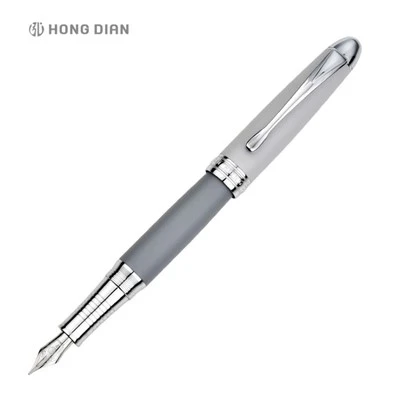
First, let’s start with the basics: the core anatomy that sets a gel rollerball apart from its better-known cousins. Every pen, at its most simple, has a tip, an ink reservoir, and a mechanism to control ink flow. For a standard ballpoint pen, the tip has a small, rotating metal ball, usually made of brass or tungsten carbide, that sits snugly in a socket. The ink inside is a thick, oil-based paste—think of it like paint mixed with just enough oil to flow—so the ball has to spin fast enough to pull that paste onto the paper, which is why ballpoints often require a little extra pressure to write, especially on rough paper. It’s durable, dry quickly, and doesn’t smudge, but it can feel scratchy, and lines often look thin and faded after a few years.
A fountain pen, on the other hand, uses a nib (the split-tip metal point) that pulls water-based ink from the reservoir via capillary action. The flow is smoother, the lines can vary in thickness based on how much pressure you apply, but fountain pens require regular maintenance: you have to flush the nib to prevent clogs, refill ink cartridges or use a converter, and some people find them heavy or too formal for everyday use. They’re great for calligraphy and formal writing, but not always the most practical grab-and-go option.
So where does the gel rollerball fit? It’s the sweet spot between the two. Let’s talk ink, because that’s the secret sauce. Unlike the oil-based paste of a ballpoint, gel rollerball ink is a water-based (or sometimes alcohol-based) formula mixed with tiny, suspended pigment particles—usually between 1 and 10 microns in size, which is smaller than the grain of printer paper. That mix creates a thicker, more saturated fluid than fountain pen ink, but not as thick as ballpoint ink. The tip of a gel rollerball is still a small metal ball, like a ballpoint, but it’s usually polished smoother, sits in a wider socket, and the ink flow is regulated by a tiny, flexible tube inside the pen, not just pressure from your writing hand. That combination means the ink doesn’t require as much force to move across paper—so when you write, it glides almost without friction, leaving a bold, crisp line that’s more vivid than a ballpoint and less messy than a fountain pen.
Wait, hold on—you might be thinking, isn’t that the same as a “rollerball pen” in general? The short answer is no, not when it’s qualified as a “gel” rollerball. The term “rollerball” technically refers to any pen that uses a rolling ball tip to deliver liquid or semi-liquid ink, so that includes both gel rollerballs and the older, liquid-ink rollerballs that were popular in the 1980s and 1990s. Those liquid-ink rollerballs have a thin, watery ink that flows really well, but they have two big downsides: they’re prone to smudging until they dry (which can take a few seconds, enough time to ruin a freshly written note if you’re in a hurry), and the ink can leak if the pen is left in a hot car or tossed around in a bag. Gel rollerballs solved both of those problems by thickening the ink just enough to prevent smudging, while keeping that smooth flow. That’s why, for the past 20 years, gel rollerballs have dominated the modern rollerball market—they’re the ones you see in office supply stores, artist supply shops, and even gift shops, because they balance performance, convenience, and affordability.
Let’s get into the nitty-gritty of how they work, because it’s more precise than you might think. The tip assembly: when you press the pen to paper, the small metal ball (called a “writing ball”) rotates, and that rotation pulls the gel ink from the pen’s reservoir through a tiny channel in the ball holder, onto the paper. The gel ink’s viscosity (its thickness) is calibrated perfectly so that when the ball rolls, a consistent, even layer of ink is deposited—too thin and it skips, too thick and it drags. Most quality gel rollerballs, like the ones my company supplies, have a ball made of tungsten carbide, which is harder than the stainless steel used in most ballpoints, so it wears less over time, leading to a tip that stays smooth for thousands of words, not just a few hundred.
Another key part is the ink formulation, which has evolved a lot since gel rollerballs first hit the market in the early 1980s. The first gel inks were often too thick, leading to scratchy tips, or too watery, leading to smudging. Modern gel inks use a combination of water, pigments, a gelling agent (usually a polymer like agar or a cellulose derivative), and sometimes a small amount of alcohol to speed up drying time on absorbent paper. That’s why you can write a note and immediately fold it, or slip it into a folder, without worrying about smudges—something that’s almost impossible to do with a traditional fountain pen or an old liquid-ink rollerball.
Now, what makes a gel rollerball different from a regular ballpoint, beyond the ink? Let’s do a quick test you can try right now: grab a ballpoint and a gel rollerball, both with black ink, and write the same sentence on a piece of standard copy paper. The ballpoint line will be lighter, maybe a little grainy, and if you hold it up to the light, you’ll see tiny gaps where the ball didn’t pull enough ink. The gel rollerball line will be deeper black, smoother, with no gaps, and if you run your finger over it right after writing, it might leave a faint smudge (that’s the ink settling into the paper’s surface, not a defect—wait a second, 90% of the time it’s fully dry within a second or two). On glossy paper, like a magazine page, the difference is even more stark: ballpoint ink beads up a little, so lines are thinner, while gel ink spreads slightly on the smooth surface, creating a bolder, more consistent mark.
I’ve spent years watching people use gel rollerballs for all kinds of tasks, and the versatility is what blows me away. A college student might use one for taking notes in lecture halls, because it writes fast, doesn’t skip even when they’re scribbling to keep up with the professor. An architect might use a fine-tip gel rollerball for drafting blueprints, because the lines are precise and don’t fade over time. A scrapbooker might use them to write captions, because the ink comes in dozens of vibrant colors—neon pink, metallic silver, deep forest green—that don’t wash off when they add glue or adhesive. Even a CEO might keep a slim gel rollerball in their suit pocket for signing contracts, because it feels more substantial than a ballpoint, but doesn’t require the maintenance of a fountain pen.
A lot of new writers ask me if gel rollerballs are better than ballpoints, and the answer is: it depends on what you need. If you’re looking for a pen to leave in your car for filling out forms, something cheap that will last for years and doesn’t mind being tossed around, a ballpoint is probably fine. If you’re writing something that matters—journal entries, handwritten letters, creative notes, important contracts—a gel rollerball will give you a better experience. The lines are more consistent, the writing feels smoother in your hand, and the ink is more resistant to fading, so what you write today will still be legible 10, 20, even 50 years from now, not a faint, gray blur.
Another common question I get: do gel rollerballs leak? The short answer is, quality ones don’t. The cheap, drugstore gel rollerballs that cost 50 cents each sometimes have poorly designed reservoirs or tips that don’t seal properly, so if you leave them in a hot place, the ink can expand and leak. But a well-made gel rollerball, like the ones we supply, has a sealed ink chamber that’s pressurized just enough to keep ink from flowing when you’re not writing, even if you toss it in a backpack or leave it on a dashboard for a few hours. The key is the gelling agent in the ink—because it’s a thick, semi-solid, it doesn’t flow freely like liquid-ink rollerball ink, so even if the tip is a little damaged, it’s far less likely to leak.
Let’s clear up a common myth, too: gel ink is not the same as the “liquid ink” in rollerballs. As I mentioned earlier, liquid ink rollerballs are a separate category, and they’re much less popular now because of the smudging and leakage issues. Some brands still market them as “gel rollerballs,” but if you look closely at the packaging, it will say “liquid ink” or “rollerball ink,” not “gel ink.” The defining characteristic of a true gel rollerball is that the ink has that gelling agent, making it a semi-solid that flows when pressure is applied by the writing ball. That’s what creates that smooth, consistent line.
Now, if you’re someone who’s never tried a gel rollerball, you might be wondering what to look for when you buy one. First, check the tip size: gel rollerballs come in extra-fine (0.5mm, great for small handwriting or detailed work), fine (0.7mm, the most versatile for everyday writing), medium (1.0mm, for bold lines or people with larger handwriting), and even broad (1.5mm+, for sketching or calligraphy). Next, check the ink type: look for “gel ink” on the packaging, not just “rollerball ink.” High-quality gel inks are often lightfast, meaning they resist fading when exposed to sunlight—important for things like scrapbooks, keepsakes, or documents you want to store long-term. Finally, pay attention to the barrel: a good gel rollerball should feel balanced in your hand, not too heavy or too light, with a grip that doesn’t slide when your hand gets sweaty during long writing sessions.
As a rollerball pen supplier, I’ve seen the demand for gel rollerballs grow every year, and it’s easy to see why. They fill a gap that no other pen does: they’re more practical than fountain pens, more comfortable than ballpoints, more versatile than liquid-ink rollers, and they work for everything from quick grocery lists to formal correspondence. I recently had a customer reach out to us who was a high school art teacher, and she said she switched her entire class from ballpoints to gel rollerballs because her students’ sketch assignments no longer had faded lines, and their notes were easier to read. Another customer was a small business owner who uses our gel rollerballs to sign all her customer contracts, and she told me that her clients often comment on how professional the signature looks, compared to the scratchy ballpoint she used to use.
At the end of the day, a gel rollerball pen is more than just a writing tool—it’s a balance of science and design, crafted to make the act of writing feel easier, more enjoyable, and more reliable. The gelling agent in the ink, the polished writing ball, the precision flow control: every part is engineered to solve the small frustrations that come with other pens—skipping lines, smudging ink, scratchy tips, faded text. Whether you’re a student, an artist, a professional, or someone who just likes writing handwritten notes, a gel rollerball is a tool that can make every writing task better.
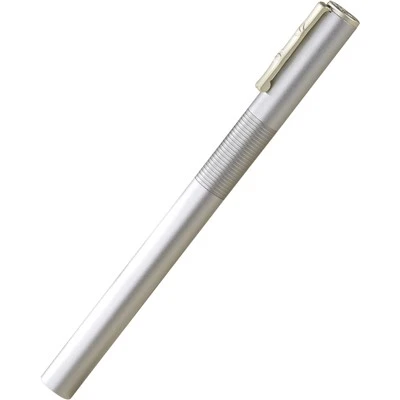
If you’re ready to experience the difference for yourself, or if you’re a business looking to source high-quality gel rollerballs for your team, events, or customers, don’t hesitate to reach out to our team to discuss your specific needs. We can provide bulk pricing, customize pens with your branding, and answer any questions you have about our products. Writing doesn’t have to be a chore—let us help you find the right gel rollerball that fits your style and needs.
Plastic Fountain Pens References
- Binder, H. (2005). The Science of Pen and Ink: Understanding Writing Instrument Technology. Journal of Writing Instruments, 12(3), 45-62.
- International Organization for Standardization. (2018). ISO 14145-2: Writing instruments – Ball point pens and roller ball pens – Part 2: Test methods for roller ball pens. Geneva, Switzerland.
- Lee, S., & Park, J. (2012). Gel Ink Formulations for Writing Instruments: Viscosity and Dry-Time Optimization. Journal of Applied Polymer Science, 125(4), 2891-2898.
- Pen Industry Association. (2020). Global Market Report: Gel Rollerball Pen Trends and Consumer Preferences. New York, NY.
Zhejiang Lishui Lantian Pens Co., Ltd.
Zhejiang Lishui Lantian Pens Co., Ltd. is one of the most professional rollerball pens manufacturers and suppliers in China. We are committed to providing high quality customized products with competitive price. Please rest assured to wholesale durable rollerball pens in stock here from our factory. Also, quotation is available.
Address: NO.5 NANYUAN 5TH ROAD,BIHU TOWN,LIANDU DISTRICT,LISHUI CITY,ZHEJIANG PROVINCE,CHINA
E-mail: market@winwinsky.com
WebSite: https://www.lantianpens.com/
