Alright, let’s cut to the chase—if you’re in the oil tank game, you’ve likely seen the headache that comes with an overflow. I’m not here to sugarcoat it: overflows don’t just make a mess; they’re risky, costly, and can tank your entire operation’s reputation. Let’s break down exactly what causes them, using real-world stuff I’ve seen (and fixed) over years as an oil tank supplier, no fancy jargon. Oil Tank

First up: the most common culprit that’s way too easy to miss. You’d think if you’ve got a tank with a gauge, you’re good, right? Wrong. A lot of the time, those float gauges get gunked up—sludge, old oil residue, even water that’s settled at the bottom of the tank. I had a client last quarter, a small fleet maintenance shop, whose gauge was stuck halfway because of crud, so they kept filling way past the top. By the time someone noticed, oil was seeping out the breather valve, all over their loading bay. It’s not a failure of the gauge itself, it’s lack of basic checks. Pro tip: if you don’t have a high-level alarm (more on that in a sec), go for a walk around your tank every time you fill it. Don’t just rely on a digital readout that’s been sitting dusty for months.
Next, let’s talk about human error—surprise, it’s the big one for 70% of overflows I’ve seen. I know, I know, operators are busy, but rushing a fill is where mistakes happen. Someone’s in a hurry to wrap up a delivery, so they don’t wait for the tank to settle after pumping. Oil churns as it goes in, so the level reads higher than it actually is in the first 10 minutes. By the time they come back to check, it’s already spilling over. I also see stuff like mis-calibrated transfer pumps. A pump that’s set to the wrong flow rate? Or a driver who doesn’t adjust the valve properly mid-fill? Last year, a construction yard had a driver leave the fill line open while he took a break to grab coffee. The tank filled to the brim in 20 minutes, and by the time he got back, they had oil in the storm drain. Dumb, but preventable. Maybe add a lockout/tagout protocol for fill points—sounds extra, but it stops people from cutting corners.
Then there’s the equipment that’s supposed to stop overflows, that just… doesn’t. We sell high-level alarms, right? But a lot of people buy the cheap ones that don’t get maintained. I’ve had clients tell me their alarm beeped once three months ago and they turned it off because it was “annoying.” Or the sensor itself is installed wrong—too low, so it trips too early (which people ignore) or too high, so it never goes off when it should. Breather valves, too. If a breather is clogged with dirt, the air can’t escape when you’re pumping oil in, so the pressure builds, and oil pushes out around the fill pipe. I saw that at a farm last month—they didn’t clean their breather for two years, so when the delivery truck started pumping, oil came shooting out the top like a little geyser. Messy, and the EPA was breathing down their neck for it. Breather checks should be on your monthly to-do list, no exceptions.
Wait, let’s not forget about seasonal shifts. Yeah, you heard me—temperature changes make oil expand. Especially in tanks that are outdoors, no insulation. In the summer, when the sun’s blasting a tank that’s full, oil can expand 5-10% in volume. If you filled it to the absolute max in the cool morning, by mid-afternoon you’ve got overflow. I had a customer in Arizona last year who learned that the hard way—he filled his tank at 7 AM when it was 60°F, by 3 PM it was 105°F, and oil was leaking out the breather all over his parking lot. We ended up suggesting insulated tanks, and a “head space” calculation for fills—leave 10-15% of the tank empty for expansion, no matter what. People forget that physics is real, even when you’re just moving oil.
Also, there’s the stuff no one sees until it’s too late: structural tank issues. If your tank’s old, the walls might have shifted, or the foundation settled, so the internal level isn’t matching what the gauge says. I saw a 20-year-old underground tank at a gas station that had sunk 2 inches on one side, so the float gauge was tilted, making it read the level 15 gallons lower than it actually was. By the time they dug it up to check, oil had seeped into the surrounding soil. That’s not a gauge failure—that’s a tank that’s past its prime, and no one did a periodic inspection. We always tell clients: if your tank is over 15 years old, get it inspected every 3 years. Cracks, corrosion, foundation issues? Those are silent overflow causes.
Now, let’s talk about what’s not an excuse, but a fix we see every day. I’m a tank supplier, so I know the solutions, but I’m not gonna shill the most expensive stuff (unless it’s actually worth it). First: stop relying on just a gauge. Add a high-level alarm—preferably one that’s wired, not just battery-powered, so it doesn’t die without you noticing. Pair that with a sight gauge, the old-school kind that’s a clear tube on the side you can see the oil level in, no electronics to fail. Second: train your operators. Not just a one-time class, refreshers every 6 months. Make it clear that rushing a fill isn’t worth the cost of cleanup or fines. Third: schedule maintenance checks. Monthly breather cleanings, quarterly gauge calibrations, annual structural checks if your tank’s outdoor or old. Fourth: account for expansion. In hot climates, never fill a tank more than 85% of its capacity. In cold? Maybe a little more, but still leave some room—oil contracts in cold, but if you have leftover oil from summer, don’t overdo it.
I know, I know, this sounds like a lot of work. But here’s the thing: the cost of fixing an overflow (cleanup, fines, downtime, losing customers) is way higher than the cost of maintaining your tank or upgrading your safety gear. I had a small restaurant client a couple years back who skipped maintenance, had an overflow, and the EPA hit them with a $12,000 fine. They were ready to close, but we helped them install a new insulated tank with high-level alarms, and they’ve been overflow-free ever since. That’s the kind of stuff I see every day as a tank supplier—stuff that doesn’t have to happen, if you pay attention to the small details.
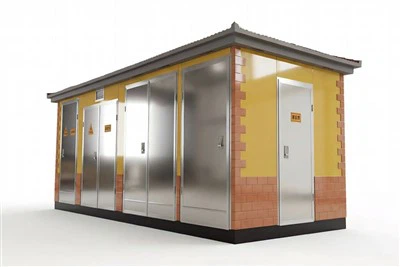
At the end of the day, oil tank overflow isn’t some random, unavoidable accident. It’s almost always a combination of skipped checks, human carelessness, or outdated equipment. If you’re dealing with overflow issues, or just want to make sure your tank is set up to prevent them, we can hook you up with tailored solutions—whether that’s upgrading your tank, adding safety alarms, or setting up a maintenance schedule that works for your business. No pushy sales stuff, just real advice from someone who’s been in this game long enough to know what actually works, not just what sounds good. If you wanna chat through your specific situation, reach out—we’re here to help you avoid the mess that comes with an overflow.
Special Transformer References:
- U.S. Environmental Protection Agency. (2021). Small Business Guide to Aboveground Storage Tank Safety.
- National Fire Protection Association. (2022). NFPA 30: Flammable and Combustible Liquids Code.
- American Petroleum Institute. (2020). API Standard 650: Welded Steel Tanks for Oil Storage.
Jiangsu Yuantong Electric Co., Ltd.
As one of the most experienced oil tank manufacturers and suppliers in China, we also support customized service. Please rest assured to wholesale bulk high quality oil tank in stock here from our factory. Contact us for more details.
Address: No. 202, Qiaogang Road, Xicheng Subdistrict, Hai’an City
E-mail: Trey@jsytelectric.com
WebSite: https://www.jsytelectric.com/
