Hey there, fellow metalworker, furnace operator, or anyone who’s ever stared at a heated steel bar and wondered why that flaky, light-gray layer showed up out of nowhere—today we’re breaking down decarburization in bar heating, and yeah, I’m coming at this from the perspective of someone who’s spent years building bar heating furnaces, troubleshooting headaches, and talking to folks who’ve lost sleep over scrapping perfectly good bars because of it. No stuffy textbook jargon, no generic definitions, just real talk about what decarburization actually is, why it messes with your process, and how a good furnace setup can cut this problem way down. Bar Heating Furnace
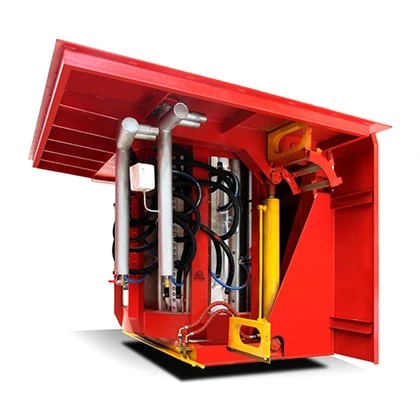
First off, let’s keep this super basic. When you heat steel (or any ferrous metal, really) for forging, rolling, heat treating—whatever you’re doing—you’re exposing it to two things: high temperatures and the air around it. Steel is mostly iron, right? But it has that tiny (well, not that tiny, depending on grade) amount of carbon that makes it strong, hard, machinable, all the good stuff you need it for. Decarburization is literally when that carbon at the very surface of the bar reacts with oxygen (or other elements in your furnace atmosphere) and gets removed, leaving a layer of low-carbon steel on the outside. That’s the flaky, dull layer you might see when you scale off the hot steel, or that soft patch you notice after machining.
Wait, let’s make that relatable. Imagine you’re making chocolate chip cookies—your dough is the steel, the chocolate chips are the carbon. If you bake them too hot, or leave them in the oven too long with the door cracked (that’s the air around your furnace), the little chocolate chips on the top of the dough start to melt and burn away, right? The center still has chocolate, but the outside is plain cookie. That’s decarburization. It’s exactly that, but with steel and carbon instead of chocolate chips.
Now, why does this matter to you? Because that surface layer is where your steel needs to be at its best. If you’re forging a wrench, the part that sits on a bolt needs that hard, high-carbon surface to grip. If you’re rolling rebar for construction, the surface has to be consistent so it bonds with concrete. If you’re heat treating a shaft, even a tiny bit of decarburization can make the surface softer than it’s supposed to be, leading to premature wear, cracks, or even part failure down the line. I’ve had customers come to me all frustrated saying “we just scrapped 50 tons of 1045 steel because of surface softness” and 9 times out of 10, the issue is unregulated decarburization in their bar heating setup.
Let’s talk about what causes decarburization, because it’s not just “your furnace is bad” (though bad furnaces definitely don’t help). First, temperature. The hotter you get the bar, the faster carbon moves. At room temp, carbon barely moves in steel, but crank that up to 1100°C (2000°F) or higher—common for forging or hot rolling—and that surface carbon is like a kid in a candy store, reacting with oxygen the second it gets the chance. Then there’s time. The longer the bar sits at high temp, the more carbon can escape. A bar that’s in the furnace for 2 hours will have way more decarburization than one that’s in for 15 minutes, all else equal.
Third big one: furnace atmosphere. This is where a lot of DIY or outdated furnaces mess up. If your furnace is running with too much excess oxygen (lean atmosphere), that oxygen will jump at the surface carbon, turning it into carbon monoxide or carbon dioxide that floats away. Conversely, if your furnace is starved of oxygen? Wait no, actually there’s another culprit here—water vapor. Oh, water vapor is a huge one that people forget. If there’s moisture in your furnace (from dirty gas burners, leaks in the furnace roof, or even just humid air coming in when you load bars), the steam reacts with carbon too. It’s like an even sneakier thief, because it doesn’t leave the obvious scale that oxygen does, just a hidden decarburized layer right under the surface.
Wait, let’s throw in a real example. Last year, I worked with a small forging shop that had a 20-year-old pusher-type bar furnace. They were heating 1045 steel bars for automotive steering knuckles, and their rejected rate was around 12% because of surface decarburization. They thought it was their quench tank, so they replaced the whole thing—still having issues. When we looked at their furnace, we saw two problems: first, their atmosphere control was ancient—they were just firing it with natural gas and letting air in through gaps in the door, so excess oxygen was everywhere. Second, they were holding bars at 1250°C (2282°F) for way longer than needed, because their furnace had inconsistent heating—some bars were sitting hot for an extra 30 minutes while waiting to be pushed out. We upgraded their furnace to have closed-loop atmosphere regulation, adjusted the temperature to 1200°C (2192°F) with uniform heating, and cut their decarburization rejection to under 2%. That’s the kind of win I live for.
Now, can decarburization ever be totally eliminated? Let’s be real—no, not really. You can’t have a bar at 1200°C exposed to any atmosphere without a tiny bit of surface carbon moving. The goal is to get it below the threshold that affects your part’s performance. Most industries accept a decarburized layer of 0.05mm or less for high-precision parts, and even a bit more for things like rebar where surface hardness isn’t make-or-break. The problem is when it’s way above that, leading to scrap, extra machining time (you have to cut off that decarburized layer, which wastes material), or worse, part failure.
What’s the biggest mistake I see people make when dealing with decarburization? They try to fix it after the fact—like grinding the surface off, or adjusting their quench—instead of fixing the root cause in the heating stage. Grinding adds extra time and cost, and if the decarburized layer is deep, you can’t grind it all off without ruining the part’s dimensions. The best fix is at the furnace: controlling temperature, time, and atmosphere.
Let’s get specific about furnace setups that work. First, closed-loop atmosphere control is non-negotiable for any bar heating furnace that’s processing high-grade steel. Instead of just letting air leak in, you can adjust the ratio of fuel to air to create a slightly reducing atmosphere—meaning there’s not enough free oxygen to steal the surface carbon. It’s like putting a tiny blanket of inert gas (or even just properly burned gas) around each bar, so the carbon stays put.
Second, uniform temperature distribution. If parts of your furnace are hotter than others, some bars will overheat, leading to way more decarburization. Modern furnaces use convection heating or even induction heating to keep every bar at the exact same temperature, no hot spots. Induction furnaces, by the way, are great for this because they heat the bar from the inside out, so the surface doesn’t sit hot for longer than the core—cuts time and decarburization.
Third, minimize residence time. A lot of people load more bars than they need to hold, or have slow furnace cycles. Designing the furnace to match your production speed means bars only stay at high temp as long as they need to—no extra time for carbon to escape.
Wait, I should address a common myth I hear all the time: “decarburization only happens in gas furnaces, not induction furnaces.” Yeah, that’s half true. Induction furnaces heat super fast, so time at high temp is low, but if you leave a bar in an induction furnace too long, it can still get decarburized, especially if it’s exposed to air when it’s hot. Same with any heating method—you just have to control the variables.
Let’s talk about how to measure decarburization, because knowing you have it is half the battle. The old way was to take a bar, cut it in half, etch the surface, and look at it under a microscope to see the soft decarburized layer. Now there are faster methods, like magnetic testing (since low-carbon steel is less magnetic than high-carbon) or eddy current testing, which can detect decarburization right on the production line without cutting parts. That’s a game-changer for quality control—you can spot decarburization before a whole batch is scrapped.
Now, if you’re reading this and thinking “hey, we’re having decarburization issues with our bar heating,” what should you do? First, start with a quick audit of your current setup: check if your furnace has consistent temperatures, look for air leaks in doors, ports, or seals, and see if you’re holding bars at temp longer than necessary. If your furnace is 10+ years old, it might be time to upgrade to a model with proper atmosphere control and uniform heating—trust me, the cost of the upgrade is way less than the cost of scrap from decarburized bars.
I’ve been in this industry building bar heating furnaces for over 15 years, and I’ve seen firsthand how a small issue with decarburization can tank a shop’s profitability. A customer I had a few years back was making 10,000 axle shafts a month, and 15% were getting rejected for decarburization. We replaced their old pusher furnace with a roller hearth furnace with closed-loop atmosphere control, and within 3 months, their rejection rate was down to 1.5%. That meant they were making 1,350 extra good shafts every month— that’s thousands of dollars in extra revenue, just from fixing the heating process.
Don’t get me wrong, decarburization isn’t a problem that goes away completely, but it’s manageable if you understand what’s causing it and adjust your furnace setup accordingly. A lot of operators treat it as an inevitable part of bar heating, but that’s just not true. With the right equipment and a little knowledge, you can keep that surface carbon where it belongs, make better parts, and waste less material.

If you’re dealing with decarburization in your bar heating process, or if you’re looking to upgrade your furnace to cut scrap and boost quality, I’d be happy to walk through your setup with you. We’ve worked with forges, rolling mills, heat treat shops all over to tune their furnaces and get decarburization under control. Just reach out and we can chat through your specific needs.
Slab Heating Furnace References
Kovács, J., & Varga, L. (2011). Decarburization of steel during heating processes. Journal of Materials Processing Technology, 211(12), 1972-1980.
Taylor, A., & Farrar, J. C. (2005). Furnace atmosphere control for minimizing decarburization in bar heating. Iron and Steel Engineer, 82(7), 38-43.
American Society for Metals. (2007). Heat Treater’s Guide: Practices and Procedures for Iron and Steels (4th ed.). ASM International.
Xi’an Aobang Technology Co., Ltd.
As one of the most professional bar heating furnace manufacturers and suppliers in China, we’re featured by quality products and good price. Welcome to buy durable bar heating furnace for sale here and get quotation from our factory. Customized orders are welcome.
Address: No.268, Caotan 6th Road, Economical and Technological Development Zone, Xi’an, Shaanxi, China.
E-mail: alicezhang@xaabfurnace.com
WebSite: https://www.xaabfurnace.com/
