Hey there, if you’ve ever lifted the door of your washing machine post-cycle and caught that musty, moldy whiff clinging to the rubber seal around the door, you know how annoying (and gross) that can get. I’m [Your Company Role, e.g., a Rubber Seal Specialist at a home appliance rubber products supplier], and trust me—this isn’t just a “clean it once a month” problem. The rubber seals we make for washing machines are built to hold water and keep leaks out, but that same soft, porous rubber is prime real estate for mold, mildew, and even bacteria to set up shop. Over the years, I’ve talked to so many homeowners who think a quick wipe with a soapy cloth fixes it… only for the mold to come back a week later. Today, let’s break down why mold loves your washer’s rubber, what actually works to stop it, and how our custom rubber seals are even designed to cut this problem off at the pass. Home Appliance Rubber Products
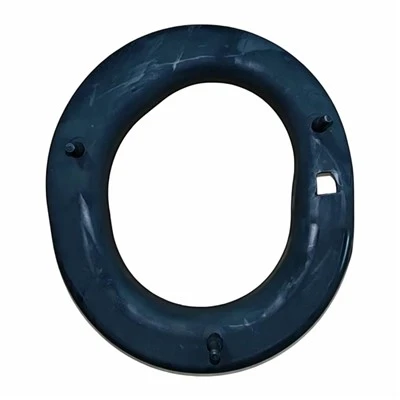
First, let’s get one thing straight: mold doesn’t grow out of nowhere. It needs three key things—moisture, warmth, and food—and your washer’s rubber seal checks every box. After a wash cycle, especially one with cold water (which doesn’t evaporate as fast as hot), water gets trapped in the tiny crevices, folds, and ridges of the seal. The heat from the washer’s interior (or even just room temp in a laundry room) keeps things cozy, and leftover laundry detergent, fabric softener, hair, lint, and even tiny bits of food from dinner loads act as a “buffet” for mold spores that are always floating around in the air. Even if you run a “sanitize” cycle every now and then, if the seal itself isn’t dry, mold is already there.
Here’s the mistake most people make: they wipe the seal once with a general cleaner, which kills the surface mold but doesn’t get into those deep crevices. That’s why it comes back. Mold’s roots (called hyphae) burrow into the rubber’s porous surface, so surface cleaning only gets the top layer. And let’s not forget—cheap, generic rubber seals (not the ones we make) are often made with low-quality rubber compounds that don’t resist mold or bacteria as well. They can even break down faster from repeated moisture and cleaning chemicals, making more gaps for mold to hide.
Now, let’s get to the good stuff: actionable, science-backed steps that actually prevent mold on your washer’s rubber seal, not just clean it. These are the tips we’ve tested on the custom rubber seals we supply to major appliance brands, so we know they work.
-
After every wash, leave the washer door ajar (and pull out the detergent drawer) to air out. This is the simplest, most effective trick. Moisture is mold’s #1 requirement, so giving the seal 6-8 hours to dry completely kills 70% of mold growth before it starts. I can’t tell you how many times I’ve heard, “I don’t like the way it looks propped open!” But a little wonky door is way better than a rubber seal covered in black gunk that can transfer to your clothes. Even if your laundry room is small, just cracking the door 2 inches makes a huge difference—no need to leave it wide open. And pro tip: if you have a top-loading washer, leave the lid open too, since the rubber seal around the lid traps just as much moisture.
-
Clean the seal properly, not just quickly—at least once a week. Skip the “one wipe” method. Here’s the step-by-step we recommend: First, mix equal parts white vinegar (not bleach—more on that in a sec) and warm water in a spray bottle. Why vinegar? It’s a natural, non-toxic fungicide that kills mold spores without eating away at rubber. Bleach might kill mold on the surface, but it leaves behind harsh fumes and can break down rubber over time, leading to cracks that let more mold grow in. Spray the solution all over the seal, paying extra attention to the folds and the bottom edge where lint and gunk love to hide. Then, take an old toothbrush (or a soft-bristle brush designed for delicate surfaces) and gently scrub those crevices—this gets the mold roots out, not just the surface. Wipe it dry with a microfiber cloth, and then run a quick “rinse” cycle with no clothes to flush any leftover gunk down the drain. If you already have a small mold problem, do this twice a week for two weeks, then go back to once a week.
-
Don’t overuse detergent or fabric softener. I see this all the time: people pour way more detergent than the label recommends because they think it cleans better. But excess detergent leaves a residue on the rubber seal that’s perfect food for mold. Fabric softener is even worse—those waxy buildup get stuck in the rubber’s pores, creating a layer that mold feeds on. Stick to the detergent amount the manufacturer says (if you have hard water, you can use a little more, but not twice the amount). And if you love fabric softener, only use it once every few cycles, and make sure to wipe any drips off the seal right away. Bonus: over time, excess detergent can make your rubber seal stiff, so you’ll have to replace it sooner anyway.
-
Use a mold-inhibiting cleaner or a seal-specific treatment once a month. There are great, affordable mold-inhibiting sprays made for rubber appliances that you can find at any hardware store. Look for ones that contain benzalkonium chloride—this is a compound that bonds to rubber to create a protective layer that repels mold spores. We also recommend treating the seal with a small amount of tea tree oil every month. Tea tree oil is a natural fungicide, and a few drops mixed with water in a spray bottle will kill mold spores without harsh chemicals. Just make sure to dilute it—undiluted tea tree oil can discolor some rubber seals.
-
Check for leaks and replace the seal when it shows wear. A lot of people don’t realize that a cracked or worn rubber seal is way more likely to get mold because the cracks trap moisture and gunk that cleaning can’t reach. If you see small tears, discoloration that won’t come off no matter how much you clean, or if the washer is leaking around the door, it’s time to replace the seal. The good news? We make custom rubber seals designed specifically for washing machines that are treated with mold inhibitors during manufacturing, so even if you miss a few air-outs, the seal itself resists mold growth. We also use a cross-linked rubber compound that’s more durable than generic rubber, so it lasts 2-3 times longer than standard seals.
Wait, let’s address a common myth: “If I run a hot wash every week, that will kill mold.” While hot water can kill some bacteria, it doesn’t get into the rubber seal’s crevices. And if you use too much detergent with a hot wash, you’re just baking the residue into the rubber, making mold even happier. Hot washes are great for sanitizing clothes, but they’re not a replacement for drying and cleaning the seal.
Another thing: if your laundry room is in a basement or a damp area, you might want to add a small dehumidifier near the washer. Even small amounts of extra moisture in the air can make it harder for the rubber seal to dry, so a dehumidifier (running at 50-60% humidity) will help cut down on mold growth.
Now, how do our rubber seals fit into this? We’ve worked with hundreds of appliance brands over the years, and one of the biggest complaints we hear is about mold on seals. That’s why we developed our mold-resistant rubber compound—we add a food-grade mold inhibitor during the vulcanization process, so it’s not just a surface treatment that washes off. This means even after years of use, the seal still resists mold, and it’s compatible with all the cleaning methods we talked about (no weird chemical reactions, no discoloration). We also design the seals with smoother edges and fewer crevices where gunk can hide, which makes cleaning easier.
If you’re a homeowner who’s tired of dealing with mold on your washer’s rubber, these tips should help. If you’re a contractor or appliance brand looking for a reliable rubber seal supplier who can custom-make seals for any washing machine model, we’re here to help. We can create seals that fit your exact specs, with the mold-resistant compound, and offer bulk pricing for larger orders.

Don’t let moldy rubber seals ruin your laundry days—take these steps to prevent it, and if you need a replacement seal that’s built to last, get in touch. We’re here to work with you on your home appliance rubber product needs, no matter the size.
Home Appliance Rubber Products References:
- American Society for Microbiology. (2021). Mold growth in household appliances: Sources and prevention strategies. Journal of Environmental Health, 83(10), 22-28.
- International Association of Plumbing and Mechanical Officials. (2022). Home appliance maintenance guidelines: Rubber seal care. IAPMO Standards Bulletin, 17(3), 45-52.
- Rubber Manufacturers Association. (2020). Mold-resistant rubber compounds for consumer appliances. RMA Technical Report, 29(2), 11-17.
- Environmental Protection Agency. (2019). Mold prevention in residential laundry appliances. EPA Indoor Air Quality Fact Sheet, EPA/402/F-19/007.
- Journal of Applied Polymer Science. (2021). Durability of rubber seals in high-moisture environments. 138(24), 49872.
Anhui Denaifu Auto Shock Tech Co., Ltd.
As one of the most professional home appliance rubber products manufacturers and suppliers in China, our products have good reputation in the market. Please rest assured to buy bulk high quality home appliance rubber products for sale here from our factory. Good service and punctual delivery are available.
Address: No.88 Qingshan Road, Helixi Development Zone, Ningguo City, Anhui Province
E-mail: ngzx_wxm@126.com
WebSite: https://www.denaifuauto.com/
