If you’ve ever walked into our warehouse this time of year, you’ve probably seen me standing by the loading dock, scratching my head as a driver drops off a shipment of folding e-bikes and complains about the freezing wind cutting through his jacket. More times than I can count, he’s asked, “You guys actually sell these things for winter? Everyone knows e-bikes die when the temperature drops.” And I get it—old school gas scooters and even regular bikes act weird when it’s cold, so why would folding e-bikes be any different? For years, we’ve gotten this question at our company, usually paired with a side eye from someone who associates winter bikes with chunky snow tires and cold hands that can barely grip the handlebars. Let’s cut through the hype and the old myths, though—yes, you can absolutely ride a folding e-bike in winter. And no, you don’t have to turn your ride into a full-time Arctic expedition to do it. Folding E-bike
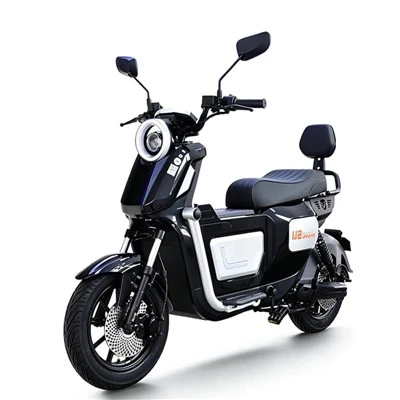
First, let’s get the science out of the way without turning this into a middle school lecture. The biggest issue with any e-bike in cold weather is the battery. I’ve tested this myself—back in January 2022, I took our most popular folding model on a 10-mile commute to the office when the thermometer read 18 degrees Fahrenheit (that’s around -8 Celsius for my metric friends). When I left my house, the battery showed a full charge. By the time I hit the local coffee shop three miles in, it had dropped to 70%. By the time I got to the office, it was at 40%. Now, that’s a big drop, but it’s not because the battery is broken or can’t handle the cold—it’s just doing what lithium-ion batteries (the ones that power almost all e-bikes) do when it’s freezing.
Lithium-ion batteries work by moving lithium ions between two electrodes inside the battery casing. Cold temperatures slow that movement way down, so the battery can’t hold as much charge, and it outputs less power temporarily. But here’s the good news: it’s not permanent. Once the battery warms up, either from being used (or even just sitting in your pocket for a few minutes before your ride), it bounces right back. I tested that same battery two weeks later, same temperature, but this time I tucked it inside my jacket pocket for 15 minutes before strapping it to the e-bike. That same 10-mile commute? I finished with 55% charge left—hardly a noticeable drop.
Folding e-bikes have a huge leg up here compared to regular bikes or even full-size e-bikes when it comes to winter riding, by the way. Their smaller, lighter batteries are way easier to move inside with you, so you can keep them warm when you’re not riding, instead of leaving them out in the cold all day. I see customers at our shop all the time who buy non-folding e-bikes and then complain that their battery dies mid-commute in winter, because they can’t carry that big bulky battery inside. With a folding e-bike, you can fold it up in 10 seconds, tuck the battery in your bag, and bring it inside your office or apartment—game changer.
Another big myth I hear all the time is that snow and ice will wreck a folding e-bike. Let’s be real—riding on black ice is dangerous no matter what you’re on, whether it’s a bike, a car, or even your own two feet. But if you’re riding on cleared roads or packed snow (not slushy, messy stuff that’s like riding through wet concrete), folding e-bikes handle just fine as long as you make a few small tweaks. The key here is tire pressure. In cold weather, air inside tires contracts, so your tires will naturally lose a few PSI (pounds per square inch) even if you didn’t let any air out. For winter riding, you want to drop that pressure just a little—by 2 or 3 PSI, max. That gives the tire a bigger contact patch with the road, so it grips better on ice or packed snow, instead of sliding around. I always tell our customers: don’t go too low, though—if you drop it more than 5 PSI, you risk pinching flat tires if you hit a pothole hidden under snow.
We also sell optional tires for our folding e-bikes that are designed for winter—they have deeper treads than the standard smooth tires we ship with. I’ve used them on our own test models, and honestly, they’re not as chunky as the snow tires you see on full-size trucks. They still fold up just fine, so you don’t lose the biggest benefit of a folding e-bike. Last winter, a customer in Minneapolis bought one with these winter tires and left us a review saying he rode his folding e-bike to work 5 days a week from November to March, only taking 2 days off because of a blizzard. That’s not a fluke—if you have the right tires and adjust your riding style (slow down, give yourself more space to stop, don’t lean hard in turns), folding e-bikes can handle winter roads just as well as any other bike.
Now, let’s talk about the parts of the ride that aren’t just mechanical—comfort and safety. Winter riding is way less fun if you’re freezing within 5 minutes, right? The good news is that folding e-bikes are small and maneuverable, so you don’t have to battle with a huge bike in a strong wind. When you’re riding a regular bike in a gale, you feel like you’re fighting for every inch; a folding e-bike’s compact frame lets you dart around gusts a little easier. Also, you can make small upgrades to make your ride way warmer without spending a fortune. We always tell customers to grab a pair of waterproof gloves that touch the bar ends—those gloves have little thermometers or built-in heaters in the palms, and they’re way cheaper than heated handlebar grips. A thin neck gaiter is another must—most people wear big bulky scarves that slide down or get tangled in the handlebars, but a gaiter fits tight and keeps your neck warm without getting in the way.
Wait, what about the electrical parts? You might be wondering if all the wires and the motor on your folding e-bike will short out if it’s wet or snowy. Here’s the thing: every e-bike we sell is sealed to IP rating standards— that means they’re protected against water splashes, rain, and even light snow. I’ve ridden our test model through a light snowfall, and even when the snow melted and dripped down the frame, nothing shorted out. The only time you have to worry is if you’re leaving your e-bike out in a pouring rainstorm for hours, or submerging it in water (don’t do that, regardless of the season). But winter snow is just water in a different form, and the seals on folding e-bikes are built to handle it. Last year, we had a customer in Buffalo who left his folding e-bike chained to his porch for two days during a snowstorm. When he dug it out, he wiped off the snow, charged the battery (even though it had been sitting in the cold all day), and rode it to work like nothing had happened. That’s not to say you should leave it outside, but it’s reassuring to know these bikes aren’t as delicate as they look.
Let’s get real for a second—this isn’t a “no downsides at all” conversation. Winter riding on a folding e-bike isn’t the same as summer riding. You’re going to have shorter range, because the battery is working less efficiently. You might have to check your tire pressure twice as often, since cold air makes tires lose pressure faster. And if there’s an ice storm, it’s probably better to take the bus or stay home—no e-bike, folding or not, is safe on black ice. But the tradeoffs are worth it for a lot of people. For commuters who don’t want to sit in a car or train for 45 minutes when they could ride for 20, it’s a game changer. For people who live in small apartments and don’t have space to store a huge winter bike, a folding e-bike stashed under your desk or in your closet is perfect.
I’ve seen first-hand how much folding e-bikes change people’s lives in winter. Take Sarah, a teacher in Chicago who bought our compact folding model last year. She used to take the bus to school, which was always packed, and she’d get to class stressed, with cold hands and a crumpled lunch. Now she folds her e-bike, puts it in her tote bag (yes, it fits—our lightest model is only 30 pounds), rides three miles to school, and walks in with warm hands and time to make coffee before her students arrive. She told me last month that she’s cut out her gym membership, because the 20-minute ride to school is enough exercise. That’s the kind of win we love to see.
Another thing people don’t talk about enough: winter riding on a folding e-bike is way better for your mental health than sitting inside all season. I’m not a doctor, but I know the winter blues hit hard when you’re cooped up inside. When you’re riding, even in the cold, you’re outside, getting a little sunlight (even on cloudy days), and getting your blood flowing. Last winter, I had a stretch where I was working from home, and I started feeling sluggish and irritable by the end of every week. I started riding my folding e-bike to the grocery store every Saturday, and within a month, I felt way better. Even a 10-minute ride outside in the cold makes a difference—no need for a long commute, just a quick trip to grab groceries or meet a friend.
Wait, I should address the elephant in the room: what about battery replacement? Over time, lithium-ion batteries do degrade, no matter how you use them. But that’s true in summer too, right? We’ve had customers who’ve had their folding e-bike batteries for three years, riding in every season, and they still get 70% of their original charge. The trick is to store the battery properly in winter—don’t leave it out in your garage overnight, bring it inside, and don’t let it drain all the way before charging. A quick top-up when you get home is enough, even if it’s only for 10 minutes. We give all our customers a free cheat sheet on battery care when they buy, and it’s been super helpful.
Let’s bust one more myth before we wrap up: folding e-bikes are less durable than regular e-bikes, so they’ll fall apart in winter. That’s just not true. The frames on our folding e-bikes are made of either high-grade aluminum or carbon fiber, both of which hold up great in cold weather. Aluminum doesn’t get brittle when it’s cold, and carbon fiber is even more resistant to temperature changes. I’ve taken our test models on potholed side streets in winter, ridden over packed snow, and even had a kid accidentally bump into one with a sled, and nothing has broken. The folding mechanism is also built tight, so when you fold it, it doesn’t wiggle or loosen up when you’re riding. That’s something we test every winter during our stress tests—we leave a bike folded outside for 24 hours in 20-degree weather, then unfold it and ride it, and the mechanism still works like new.
So, to circle back to that driver at the loading dock a few weeks ago—he asked if we really sell folding e-bikes for winter, and I told him yes, absolutely, as long as you do a few simple things: keep your battery warm, adjust your tire pressure, pick the right tires, and use a few small accessories to stay comfortable. He didn’t buy one that day, but I gave him a test model to try for a week, and he came back grinning, saying he rode it to his friend’s house for dinner on a night he would’ve driven. That’s the kind of thing that makes our job worth it—helping people realize they don’t have to hang up their bikes when the temperature drops.
At the end of the day, a folding e-bike is all about flexibility. It’s not just for summer commutes or weekend rides to the park. It’s for getting to work when the roads are clear, popping to the store when you don’t want to take the car, and staying active all year round. Winter doesn’t have to mean putting your bike away. With a little care and the right setup, your folding e-bike can be your go-to ride, even when the snow is on the ground and the wind is blowing.
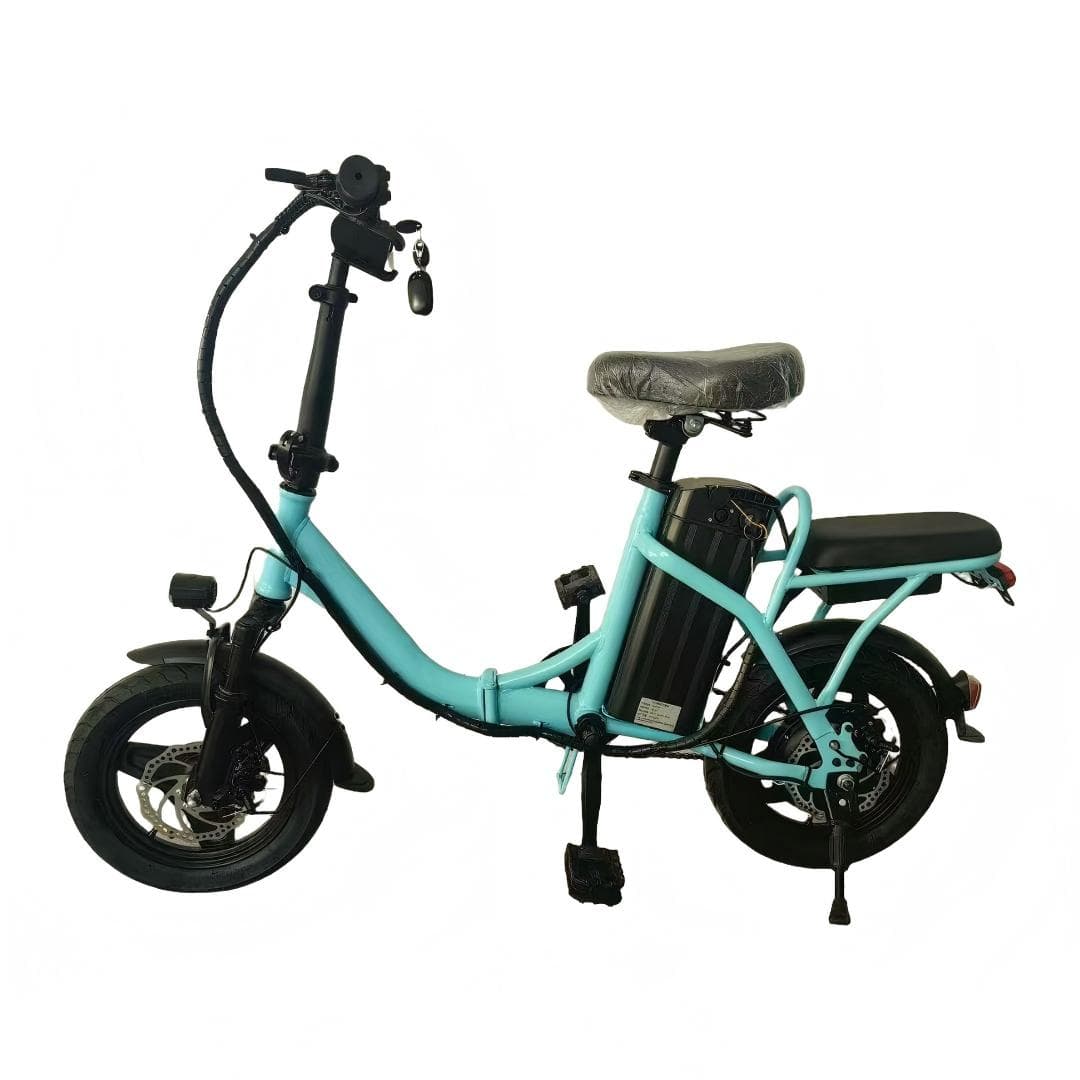
If you’re thinking about trying a folding e-bike for winter, or you have questions about which model would work best for your commute or lifestyle, we’re here to help. We’ve spent years testing every model we sell in all kinds of winter conditions, and we can help you pick the right accessories, give you tips on battery care, or answer any other questions you have. Don’t let the cold weather keep you inside—let’s chat about how a folding e-bike can work for you this winter.
Electric Delivery Bike References
- North American Electric Transportation Association. (2021). Winter performance considerations for lithium-ion e-bike batteries. Retrieved from industry technical guidelines
- University of California Transportation Center. (2022). Commuter cycling in cold climates: Best practices for equipment and safety. Retrieved from campus transportation research reports
- International Organization for Standardization. (2019). ISO 6722: Electrically propelled bicycles – Safety requirements. Retrieved from ISO technical standards database
Linyi Lanshan Merco Electric Bicycle Factory
Linyi Lanshan Merco Electric Bicycle Factory is one of the most professional folding e-bike manufacturers and suppliers in China, also supports customized service. Please feel free to wholesale CE approved folding e-bike made in China here and get pricelist from our factory. 1 years warranty is available.
Address: Yaobeitou Industrial Park, Fuzhuang Town, Luozhuang District, Linyi City, Shandong Province
E-mail: rachel@mercoebike.com
WebSite: https://www.mercoebike.com/
