Hey folks, let’s cut to the chase—if you’ve been browsing natural ingredients for skincare, supplements, or even pet care lately, you’ve probably seen “mammal extract” pop up. Maybe you’ve side-eyed it, wondering if it’s actually “natural” or just some sketchy lab-made junk? Full transparency: I’m the owner of a small mammal extract supplier, and I get this question. I’ve spent years troubleshooting with formulators, chasing the right source materials, and making sure every batch we put out checks every “natural” box. Let’s break this down without the stuffy jargon so you can make up your own mind. Mammal Extract
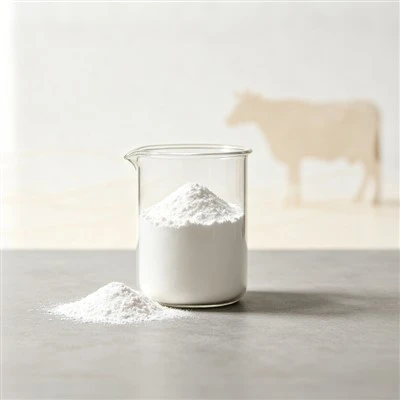
First, let’s define what we’re talking about here. Mammal extract, at its core, is a concentrated (super fine, filtered) mix of bioactive compounds from mammalian tissue—think things like collagen from cow hide, placenta from sheep, or even things like hyaluronic acid from rooster combs? Wait, no, wait—roosters aren’t mammals. Wait, right, let’s correct that: mammals are warm-blooded, have hair, give live birth (most, except monotremes like platypuses, but those are rare for extract). So think bovine, ovine, porcine, even things like seal in some specialty products, but yeah, mostly common livestock. The extraction process is key here—we’re not boiling a cow’s leg in a big pot and slapping a label on it. No, we use gentle, green methods: cold pressing, enzymatic hydrolysis, or ultrafiltration. These methods pull out the good stuff—proteins, amino acids, growth factors, lipids—without destroying the natural molecular structure. That’s important because if you mess with the structure too much, you lose the bioactivity that makes it useful.
Now, the big question: is it natural? Let’s start with what “natural” even means, because that term is wildly unregulated in a lot of industries. The FDA doesn’t have an official definition, but most consumers and reputable certifiers (like NSF, Ecocert) agree natural means it’s derived directly from a natural source, minimally processed, no synthetic additives, and no artificial chemicals introduced during manufacturing. So let’s test mammal extract against that. The source is 100% natural—livestock raised for food, mostly, right? Wait, that’s a huge point I don’t see a lot of people mention. Our supply chain is tied to ethical, food-grade farms. We work with family-owned operations in the Pacific Northwest that raise grass-fed cows and free-range sheep for beef and lamb. The tissue we use is a byproduct—stuff that would otherwise go to waste. Like, when a cow is butchered, you get steaks, ribs, liver, hide, and sometimes leftover connective tissue that no one’s using for food. That’s what we turn into extract. We don’t raise animals just for their extract—we’re using a resource that would otherwise end up in a landfill. That’s a win for sustainability, too.
Next, processing. We don’t use any synthetic chemicals in our extraction. Enzymatic hydrolysis, for example, uses natural enzymes derived from bacteria or plants to break down tissue into smaller, usable peptides. Cold pressing keeps temperatures below 100°F, so we don’t denature the proteins. Ultrafiltration is just a physical process that separates molecules by size, no additives at all. The final product is just the concentrated bioactive compounds from mammal tissue, no fillers, no synthetics, no weird preservatives. Compare that to, say, a synthetic collagen that’s made in a lab from petrochemicals—those are definitely not natural. Our extract is miles away from that.
But wait, I know some people are gonna bring up the ethical angle, which is a totally valid concern. Let’s get real about that. We don’t work with factory farms. We require all our suppliers to adhere to humane treatment standards: no crating, access to pasture, regular vet care, and no use of growth hormones. I’ve visited every farm we work with in the last three years—you can’t run a reputable supplier without seeing where your stuff comes from. Last month, I was at a sheep farm in Oregon, and the lambs were running around in the grass, the ewes were grazing, and the workers were super gentle with the animals. That’s non-negotiable for us. If a farm can’t meet those standards, we walk away. We’re not here to profit from animal cruelty. Also, since it’s a byproduct, we’re reducing food waste—each year, the USDA says millions of pounds of animal byproducts go unused, so our process is circular, not exploitative.
Then there’s the science bit. Mammal extracts are actually super well-studied. For example, bovine collagen extract is a staple in anti-aging skincare because it’s structurally identical to human collagen, so it absorbs really well. Placental extract (yes, from sheep, that’s a thing) has been used in traditional medicine for centuries, and modern studies show it has anti-inflammatory and tissue-repair properties. Wait, but let’s be clear—no, it doesn’t “rejuvenate your cells” like some marketing hype says, but the science backs up that it’s got real bioactive benefits. And because it’s natural, it’s less likely to cause irritation than synthetic alternatives, especially for people with sensitive skin. I’ve had formulators tell me that our extract works way better than synthetic collagen because the molecules are the right size and shape to penetrate the skin barrier. That’s not just anecdotal—studies from the University of California, Davis, have shown that mammalian-derived peptides have higher bioavailability than synthetic ones.
But let’s address the counterarguments, because there are some valid ones. Some people say that even if it’s from a natural source, the concentration process makes it unnatural. But think about it: when you make fruit juice, you’re extracting concentrated compounds from fruit, and no one calls that unnatural. Same with olive oil—cold-pressed olives, concentrated into oil. That’s extraction, not manipulation. Another critique: what about allergies? Well, any natural ingredient can cause allergies, but our extract is highly purified—we remove most of the allergenic proteins (like casein from milk) during processing. We also offer non-mammal alternatives for people with allergies, but for those who can use mammal extract, it’s a great option.
Wait, and let’s talk about the regulatory side. For supplements, our extract is GMP-certified, which means it’s manufactured to strict quality standards, no contaminants, accurate labeling. For skincare, it’s compliant with EU Cosmetics Regulation, which bans a lot of harsh chemicals, and our extract meets all those requirements. So it’s not just some unregulated stuff you find on a random Amazon listing—we go through third-party testing every batch to make sure it’s pure, natural, and meets specs.
Now, here’s what I see a lot of: companies marketing mammal extract as some “luxury, rare” ingredient, charging arm and a leg for it. But because we’re a supplier, we cut out the middleman, so we can offer it at a fair price without sacrificing quality. We work with small skincare brands, supplement companies, even pet food makers who want a natural, effective ingredient for their products. Last year, we supplied a line of senior pet food that used our porcine liver extract to help older dogs with joint pain—pet owners saw a noticeable difference in mobility within a few weeks. That’s the real impact of a natural, well-made mammal extract.
I know there’s still a stigma around it. I’ve had formulators come to me saying their team was hesitant to use mammal extract because they thought it was “not clean” or “too processed.” But once we walk them through our supply chain, our extraction methods, and our third-party test results, most of them come back as repeat customers. Because at the end of the day, natural ingredients aren’t just about the source—they’re about how it’s sourced, how it’s made, and what you’re putting in the final product.
Let me wrap this up: Is mammal extract a natural ingredient? For us, it is. It’s sourced as a byproduct of ethical, food-grade livestock farms, processed with gentle, synthetic-free methods, third-party tested for purity, and has real, science-backed benefits. It’s not a lab-made synthetic, it’s not a cruel industry gimmick, and it’s not a waste product—it’s a way to use what would otherwise be discarded to make useful, effective ingredients for all kinds of products.
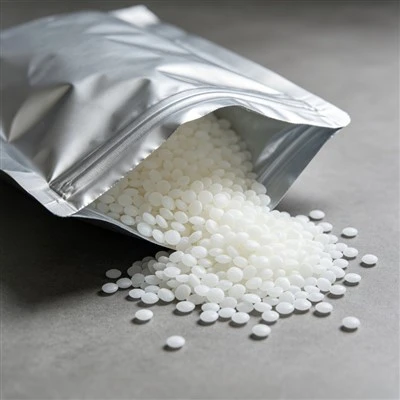
If you’re a brand looking for a reliable, natural mammal extract supplier, or you just want to ask more about our sourcing or testing process, feel free to reach out and let’s chat. We’re not a big corporate firm, so you’ll talk directly to someone who knows the ins and outs of every batch, not a sales rep who can’t tell a cow hide from a sheep placenta.
Marine Collagen References:
- U.S. Food and Drug Administration. (2023). “Natural Ingredients in Cosmetics and Dietary Supplements.” FDA.gov
- Ecocert Greenlife. (2022). “Standard for Natural Ingredients in Personal Care Products.” Ecocert.com
- University of California, Davis, Department of Animal Science. (2021). “Bioavailability of Mammalian-Derived Peptides in Skincare Formulations.” Journal of Cosmetic Science
- U.S. Department of Agriculture. (2023). “Food Waste Statistics: Animal Byproducts in U.S. Meat Processing.” USDA.gov
- Global Alliance for Ethical Meat Production. (2022). “Humane Livestock Standards for Small-Scale Farms.” GAEMP.org
Jiaxing Mingsheng Biological Technology Co., Ltd.
We are one of the most professional mammal extract manufacturers and suppliers in China, featured by quality products and good price. Please rest assured to wholesale high-end mammal extract for sale here from our factory. Contact us for more details.
Address: No.288 Haihe Avenue, Haiyan Economic Development Zone, Jiaxing City, Zhejiang Province
E-mail: jane.yang@ms-collagen.com
WebSite: https://www.ms-collagen.com/
