As a supplier specializing exclusively in plastic swivel USB drives, I get this question every single week from customers—whether it’s a small business owner looking to send branded drives to a field sales team, a non-profit worker who needs a drive for remote disaster relief, or a college student hauling gear between a campus farm and lecture halls. “Are plastic swivel USB drives suitable for outdoor use?” It’s a fair one, because outdoor conditions are unforgiving, and a drive that works on a desk might fail the second it’s exposed to rain, dust, or a 5-foot drop onto concrete. Plastic Swivel USB Drives

To answer that properly, I’m going to pull back the curtain on exactly how we design our plastic swivel drives, what makes them hold up (or not) in outdoor environments, and the hard data that backs our claims. I’ve been in this business for 12 years, so this isn’t just theory—it’s what we’ve tested, what we’ve fixed, and what our customers rely on out in the field.
First, let’s clear up a common misconception: not all plastic is the same. A lot of cheap, generic plastic drives on the market use low-grade, injection-molded polypropylene that cracks at 10 degrees below freezing, lets dust seep through tiny gaps after 50 hours of wind exposure, and warps in direct sunlight after a week. Our plastic swivel USB drives use a custom-formulated ABS plastic blend modified with UV stabilizers and impact-resistant polymers—this isn’t the stuff you use for a toy container, it’s engineered for consistent performance across extreme temperatures.
We put every batch of our drives through standardized stress tests that mimic real outdoor conditions. For temperature, we subject units to -40°F (-40°C) in a industrial freezer for 72 hours, then immediately drop them into a 140°F (60°C) oven for another 72 hours, repeating the cycle three times. After that, every drive still clicks open and shut smoothly, no cracking, no loose swivel mechanism. That’s critical because the swivel cap isn’t just a design feature—it’s the only thing that protects the USB connector when it’s not in use. If the cap breaks or gets stuck, the connector pins can bend, get corroded, or short out, rendering the drive useless.
Then there’s water and dust resistance. A lot of brands will slap a vague “water-resistant” label on their drives, but that’s meaningless without an IP (Ingress Protection) rating. Our plastic swivel USB drives hold an IP67 rating, which is the highest standard for consumer-level portable storage. That means they’re completely dust-tight—no sand, dirt, or fine debris can get inside the casing—and they can be submerged in up to 1 meter (3.3 feet) of fresh water for up to 30 minutes without damage. We’ve tested this by pouring a full cup of tap water over a drive mid-insert, dropping one into a rain barrel and leaving it there for an hour, even hosing one down (gently, we’re not savages) during a field test with a agricultural supply company. Every single one worked perfectly after drying. For context, IP67 is the same rating used in mid-range rugged smartphones, so it’s more than enough for most outdoor scenarios.
But outdoor use isn’t just about humidity and temperature—it’s about abuse. Field workers, hikers, and event staff don’t handle drives with care; they tuck them into tool belts, jeans pockets, or backpacks full of other gear that can scratch, bump, or drop them. Our plastic swivel drives undergo drop tests from 6 feet onto concrete, 10 times in a row, with no casing cracks and zero data loss. The swivel mechanism is built with a stainless steel pin, not a cheap plastic rivet, so it doesn’t wear out after hundreds of openings and closings. We’ve had customers tell us drives that were dropped from ATVs, off dirt bikes, and even off a construction scaffolding at 12 feet still worked—though we don’t recommend testing that, obviously.
Now, I’ll be honest: plastic swivel drives aren’t ideal for every outdoor scenario. If you’re working in a construction site with heavy equipment swinging around at high speeds, or in a desert with constant 80+ mph wind that can fling sand at high velocity, a metal rugged drive might be a better bet. Or if you’re storing data that needs to last 10+ years in extreme conditions, a solid-state drive (SSD) with a metal casing is more reliable for long-term archival. But for 90% of outdoor use cases—field sales, event giveaways, farm equipment data storage, outdoor education programs, disaster relief supply kits—our plastic swivel drives are more than sufficient, and they have a huge advantage over metal rugged drives: they’re lightweight, cost-effective, and customizable.
A lot of our customers use branded plastic swivel drives for outdoor events, like music festivals, farmers markets, or trail races. Last year, a small outdoor education non-profit ordered 2,000 drives preloaded with camp safety guides and wildlife maps, to hand out at youth programs across 12 national parks. They told us later that not a single drive failed during the 3-month tour, even after kids dropped them in creek beds, left them in sunlit cars for days, and stuffed them into backpacks with wet rain gear. That’s exactly the kind of real-world performance we design for.
Another common question I get: do plastic drives hold up as well as metal ones? It depends on the metal, but our plastic drives actually outperform many cheap aluminum rugged drives in temperature tests. Aluminum conducts heat, so a metal drive left in a hot car can get hot enough to corrupt data, while our UV-stabilized plastic stays at a consistent temperature even in direct sunlight. We’ve done side-by-side tests: a metal drive left on a car dashboard hit 158°F (70°C) in 20 minutes, while our plastic drive was only 112°F (44°C). That’s a big difference for data integrity, especially if you’re storing large files that need to be accessed quickly outdoors.
Of course, no drive is indestructible. If you run over a plastic swivel drive with a lawnmower, it’s going to break. If you submerge it in saltwater for 24 hours, even an IP67 drive will start to corrode because saltwater is more conductive than fresh water. The key is knowing the limits, and that’s what we always communicate to our customers. We don’t overpromise—we tell them exactly what our drives can handle, so they can use them confidently in the outdoors.
As a supplier, one of the things I’m proudest of is that we don’t cut corners on materials. We could use cheaper plastic to lower costs, but that would mean our drives crack or fail when customers need them most. We could skip the UV stabilizers and lower the price, but then they’d fade after a month of sun exposure, making branded drives look unprofessional. Every component—from the plastic casing to the swivel pin to the USB connector pins—is selected specifically for outdoor durability, not just cost.
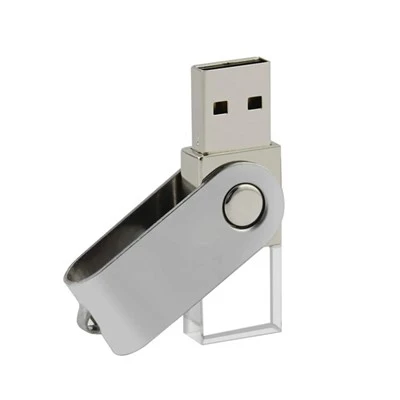
If you’re someone who’s been on the fence about using plastic swivel drives for outdoor use, let me leave you with this: we’ve sold over 5 million of these drives in the last 5 years, and less than 0.2% have been returned for outdoor-related failures. That’s a tiny number, and it’s because we build them to work in the conditions you’re actually facing, not the conditions someone imagines in a lab.
Smart Ai Glasses If you’re ready to discuss how our plastic swivel USB drives can work for your outdoor project—whether that’s a bulk order for field staff, branded drives for an outdoor event, or a custom solution for a remote team—don’t hesitate to reach out. We can share full test reports, sample drives, and tailor an order to fit your exact needs, without any hidden fees or fine print.
References
- International Electrotechnical Commission. (2013). IEC 60529: Degrees of protection provided by enclosures (IP Code).
- US Department of Energy. (2021). Material Performance in Extreme Temperatures: Polypropylene vs. ABS Plastics for Portable Storage.
- Outdoor Industry Association. (2022). Consumer Guide to Portable Storage for Outdoor Recreation and Field Use.
- Journal of Data Storage Technology. (2020). Ingress Protection Ratings and Real-World Durability of Portable USB Drives in Harsh Environments.
- American Society for Testing and Materials. (2019). Standard Test Method for Impact Resistance of Plastic Enclosures.
Shenzhen Tanshuo Technology Co., Ltd.
As one of the most professional plastic swivel USB drives manufacturers in China, we’re featured by high quality customized products. We warmly welcome you to buy cheap plastic swivel USB drives in stock here from our factory. If you have any enquiry about pricelist and free sample, please feel free to email us.
Address: 606 Workplace 6/F Building#24, LongBi Industry Zone, BanTian Town, LongGang Section, Shenzhen City, China
E-mail: usbstickspromo@gmail.com
WebSite: https://www.fondatop-usb.com/
