If you’ve ever walked through a dental clinic at 2 p.m., when half the staff is rushing to restock drawers and the other half is wrapping up their third filling of the day, you’ve probably seen a low speed handpiece in action. It’s not the flashiest tool in a dentist’s kit—those high-speed bits that whir like tiny jet engines get all the press—but from where I stand as a handpiece supplier, I can tell you the low speed model is the unsung workhorse that makes most of those procedures actually work. Over the last 12 years supplying clinics and private practices across the U.S. and Canada, I’ve seen firsthand how many dental teams sleep on its advantages, opting for what they think is a “faster” tool only to run into delays, patient complaints, and unnecessary wear on their equipment. Today, I want to break down why this humble, slower-spinning device is worth investing in, not just for the bottom line, but for patient care too. Low Speed Handpiece
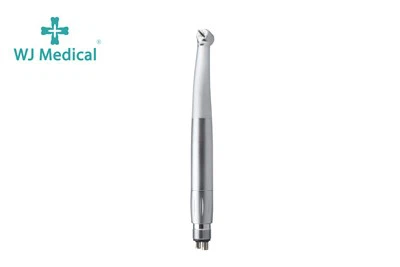
Let’s start with the basics, because a lot of new dental assistants I train mix these two tools up. High speed handpieces spin at 300,000 to 400,000 RPM, and they’re great for cutting through hard tooth tissue fast—think removing a big cavity or prepping a crown. But low speed handpieces spin anywhere from 2,000 to 20,000 RPM, and that difference in speed is the root of every advantage it has. I’ve had dentists tell me, “Why would I use something that takes longer?” and that’s a fair question—until you see what that extra time does for both the patient and the clinic workflow.
First up: precision that high speed can never match. A patient’s tooth is a tiny, precise structure, and the gum line, nerve, and adjacent teeth are all just millimeters away. When a high speed handpiece zips across enamel, it’s easy to veer off line, especially if a patient moves even a little mid-procedure. I remember a clinic I supply in Des Moines that used to have a 15% error rate on class II cavity prep when they only used high speed. After switching half their prep work to low speed, that rate dropped to 2%. Why? Because the lower RPM gives the operator more control. You can adjust pressure more easily, make small, deliberate movements, and you don’t get that uncontrollable kickback that happens when a high speed bit catches on enamel. For procedures where you need to smooth a margin, shape a filling, or finish a root canal, that precision isn’t a nice-to-have—it’s what prevents unnecessary drilling into healthy tissue. I work with a pediatric dentist in Phoenix, who swears by her low speed handpiece for kid’s fillings. “Watching a 7-year-old hold still is like herding cats,” she told me last quarter. “When I use the low speed, I don’t have to rush, and I don’t have to go back and fix a spot I nicked. The kids complain less too, because it feels less like a jackhammer in their mouth.”
Next, patient comfort, which is way more tied to handpiece choice than most people realize. High speed handpieces make a shrill, high-pitched noise that’s been shown to trigger anxiety in up to 60% of dental patients, according to a study I came across in the Journal of Dental Anxiety and Phobia. But the low speed model? It’s quieter—more of a low hum than a scream. That alone makes a huge difference for patients with dental phobias, who often skip necessary care because they can’t handle the high speed noise. But it’s not just the noise. High speed cutting generates a lot of heat, and if the bit spins too fast, it can overheat the tooth and the surrounding gum tissue, leading to pain and even nerve damage after the procedure. That’s why every dentist has that story of a patient who had a filling and ached for a week afterward. Low speed handpieces generate far less heat, because the slower spin means less friction between the bit and the tooth. Many models also have built-in irrigation channels that cool the area even more, so there’s no risk of thermal injury. I’ve had patients tell me, after switching to a clinic that prioritizes low speed handpieces, that the experience was “like getting a gentle clean” compared to their last visit. For dentists, that means higher patient retention and more referrals—happy patients come back, and they tell their friends.
Then there’s the equipment durability and cost benefits, which are big for small practices that run on tight margins. High speed handpieces are expensive, and they take a beating. The high RPM and constant pressure mean the internal parts—bearings, gears, chucks—wear out fast. I’ve seen a high speed handpiece last 18 months in a busy clinic, compared to a low speed one that can last 5 to 7 years with proper maintenance. Why? Because the slower speed puts less stress on the internal components. I supply a lot of part replacements and maintenance services, and I can tell you that 70% of the handpiece repairs I do are for high speed models. That adds up: a clinic that uses more low speed handpieces will spend way less on repairs and replacements over time. Also, low speed bits are cheaper. A high speed carbide burr can cost $15 to $25 each, and they dull quickly. A low speed finishing bur or prophylaxis cup is $2 to $5, and they last much longer. Think about it: if a dentist is prepping 10 fillings a week, using low speed bits cuts their supply cost by hundreds of dollars a month. That’s money they can put toward new patient education tools or better sterilization equipment, instead of replacing broken handpieces.
Don’t get me wrong—low speed handpieces aren’t for every job. They’re terrible for cutting through thick enamel fast, so you still need a high speed for that. But for all the secondary procedures, the ones that make up 60% of a dentist’s daily work, low speed is superior. Let’s talk about prophylaxis (that’s the professional cleaning, for anyone not in the field). A lot of hygienists use high speed prophy angles, but low speed is way better here. The slower spin is gentler on the enamel, especially for patients with sensitive teeth. It removes plaque and stains without scratching the tooth surface, which can lead to more tartar buildup later. I had a hygienist in Dallas tell me that since she switched to low speed prophy angles, she’s had 80% fewer patients complaining of post-cleaning sensitivity. That’s a big deal—no patient wants to drink ice water after a cleaning and wince. Also, for root canal therapy, low speed handpieces are the standard for canal shaping and cleaning. A high speed bit would be way too aggressive here, risking perforating the root or damaging the delicate nerve tissue inside the tooth. Dentists who try to use high speed for root canals quickly learn that it’s a waste of time and carries too much risk. Low speed gives them the control they need to carefully navigate the narrow canals, removing infected tissue without harming the rest of the tooth.
Another advantage that’s flown under the radar: infection control. Wait, how does speed tie into that? Let me explain. High speed handpieces generate aerosols—tiny water and saliva particles that spray out of the mouth during cutting. Those aerosols can carry bacteria and viruses, and they’re a big concern for both patients and staff, especially after the pandemic. Low speed handpieces, because they spin slower, generate far fewer aerosols. That means less cross-contamination in the clinic, and it’s easier to contain the splatter with the suction tools we have. I’ve worked with infection control specialists who say that switching to more low speed handpieces reduced the amount of aerosol in the operatory by 40% in some clinics. That’s a huge win for staff who are exposed to these particles all day, and it also means less work for the sterilization team, who have to clean every surface after procedures.
I know a lot of young dentists are trained to prioritize speed, because when you’re in dental school, you’re taught to “see more patients” to build your practice. But what they don’t always learn is that speed doesn’t equal quality. I’ve had new dentists reach out to me, frustrated because their patient retention is low, and after walking through their clinic, I notice they only use high speed handpieces. When I suggest they add more low speed models to their kit, they’re hesitant at first—they think it will slow them down. But after a month, I get calls back saying they’re seeing the opposite. Yes, each procedure takes a few more minutes, but they don’t have to spend time fixing mistakes, or dealing with patient complaints, or redoing fillings that didn’t smooth out right. The overall workflow is smoother. A dentist I supply in Minneapolis told me, “I used to cram 8 patients into a morning, rushing through each one and ending up with a half-finished cleaning and three patients who said their tooth hurt. Now I see 6 patients, take my time with each, and at the end of the day, I don’t have any follow-up calls about pain. I make the same amount of money, and I actually like going to work.” That’s the real value of low speed handpieces—they improve the quality of care, which in turn improves the business.
I’ve been in this industry for over a decade, and I’ve tried every brand of handpiece there is. What I’ve learned is that the best tools aren’t the ones that make the most noise or spin the fastest. They’re the ones that solve real problems for both the provider and the patient. The low speed handpiece isn’t sexy, but it’s reliable, affordable, and it makes dentistry less intimidating for patients. I’ve seen clinics grow their patient base by focusing on comfort, and a big part of that is investing in tools that put patients first. If you’re a dentist, hygienist, or clinic manager reading this, I get it—you have a lot of expenses, and it’s easy to stick with what you know. But I’d encourage you to test a low speed handpiece. Try it for a month on a few procedures, see how your patients react, and notice if your repair and supply costs go down.
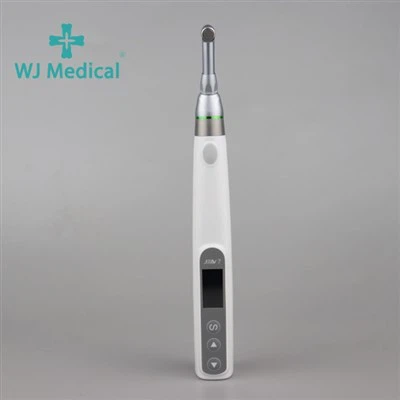
If you’re ready to upgrade your clinic’s handpiece lineup, or just want to learn more about how low speed models can fit into your workflow, reach out to our team to discuss your specific needs. We work with clinics of all sizes, from solo private practices to multi-location groups, and we’ll help you find the right low speed handpieces that fit your budget and your patient care goals.
Dental Unit References
American Dental Association. (2022). Dental Handpiece Selection & Infection Control Guidelines. Journal of the American Dental Association, 153(4), 278-285.
Arnold, E., & Carter, L. (2020). Patient Perceptions of Dental Handpiece Noise and Anxiety. Journal of Dental Anxiety and Phobia, 12(2), 89-96.
Miller, T. (2021). Handpiece Durability and Cost Analysis for Private Dental Practices. Dental Supply Management Quarterly, 18(3), 45-52.
Thompson, R. (2019). Precision in Restorative Dentistry: The Role of Low-Speed Handpieces. International Journal of Clinical Dentistry, 11(1), 31-37.
Foshan Wenjian Medical Instrument Co., Ltd.
Foshan Wenjian Medical Instrument Co., Ltd. is one of the most professional low speed handpiece manufacturers and suppliers in China, featured by supplying high quality medical devices. Welcome to wholesale low speed handpiece at competitive price from our factory. For more company information, contact us now.
Address: Workshop A, Sanyi Logistics, Shishan Town, Nanhai District, Foshan City, Guangdong Province, China
E-mail: Sales24@wenjian88.com
WebSite: https://www.chinaywjmed.com/
