If you’ve ever stood in the middle of a packed concert hall, club, or corporate event where the lights seemed to dance in time with the music—swiftly shifting color, angle, and intensity to mirror a guitar riff or a speaker’s entrance—you’ve likely been in the presence of moving head lights. As a supplier who’s spent the last decade working directly with event producers, lighting designers, and small venue owners, I’ve lost count of how many times someone has stopped me mid-conversation to ask: “What’s the big difference between these moving head things and the regular spotlights I’ve been buying for years?” Moving Head Light
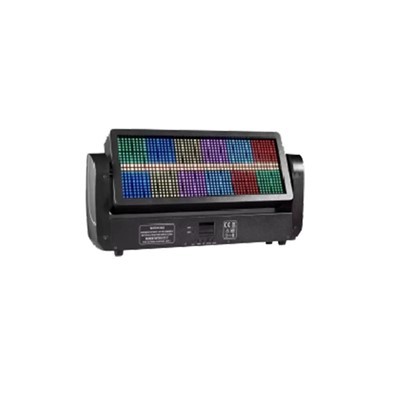
It’s a fair question. For decades, regular lights—fixed incandescent, LED par cans, or basic spotlights—were the go-to for nearly every event setup. They’re cheap, easy to install, and get the job done if all you need is a steady beam of light. But once you dive into the demands of a production that needs to hold an audience’s attention for hours, or a venue that hosts everything from stand-up sets to product launches, that line between “regular” and moving head lights becomes the difference between a forgettable event and one that attendees talk about for months. Let’s break this down, with the kind of hands-on perspective only someone who sells, installs, and troubleshoots these lights day in and day out can offer.
First, let’s get the basics straight: the core functional difference starts with movement. Regular lights are, as the name suggests, stationary. Even the most basic LED par can stays bolted to a truss or stage floor, pointing in one direction until someone physically climbs up to adjust the yoke or swap the light’s position. Some older par cans have fixed color filters that you can twist to change color, or dials to adjust brightness, but those changes are manual, slow, and require stopping whatever you’re doing to tweak. A moving head light, on the other hand, is a self-contained unit with two motorized axes: pan and tilt. Pan is the horizontal movement—think of your smartphone panning left to right to scan a room—and tilt is the vertical movement, tilting up and down to adjust how high or low the beam hits. A typical moving head has a pan range of 540 degrees (meaning it can spin nearly all the way around) and a tilt range of 270 degrees, so one unit can cover an entire stage or dance floor without moving it from its mount.
That movement isn’t just for show, either. For most event producers, the ability to move light without touching the unit translates to two huge wins: speed and creativity. Last year, I worked with a regional concert promoter who was putting on a tour for a popular indie band. Their original setup was 12 regular spotlights, all manual, with a lighting tech spending 20 minutes before every show adjusting each light to point at the stage’s singer, guitarist, and drummer. When we swapped out half those spotlights for moving heads, their pre-show setup time dropped by 75%. The tech could program all the light positions and movements into the show’s console in an hour, then walk away. When the band hit a song’s chorus, the moving heads would automatically swing to center on the lead singer, shift from blue to hot pink, and speed up their movement in time with the drum beat—all without anyone touching a dial. A regular light can never do that; it’s locked into the position a tech sets it to, unless the crew stops the show to adjust it mid-performance.
Next, let’s talk about what each light can actually do in terms of light quality and adaptability, because that’s where the gap gets even wider. Regular lights, whether they’re old incandescent models or entry-level LED pars, have a very limited set of output options. Most only do brightness adjustments, and basic color changes that rely on fixed color gels—thin plastic or glass sheets that you snap in front of the light to filter its output. If you want to switch from warm white to deep red, you have to swap out the gel; that’s another manual, time-consuming step, and you’re limited to the 10 or 15 pre-made gels the light supports.
Moving head lights, by contrast, have built-in color wheels and gobos (small cut-out patterns that project shapes) that are motorized, so they can change color and pattern in milliseconds, not minutes. A mid-range moving head I supply has 15 color slots, plus a rotating color mixing wheel that can create nearly any hue in the visible spectrum—so if a designer needs a exact, custom lavender for a wedding’s first dance, they can dial it in on the console and have it perfect in one tap, no gels required. The gobo wheel is even more versatile: you can project tiny stars for a festival, a company logo for a product launch, or swirling circles to match a DJ’s beat. I once had a customer who used moving heads for a trade show booth, where they programmed the lights to project the client’s logo across the entire aisle floor; a regular light can only project a single, fixed shape, so he would have needed 20 regular lights just to cover the same area, plus hours of setup time to align each one.
Durability and environment also play a big role, especially for the folks I work with who rent or move their lights regularly. Most moving head lights are built for heavy use—IP ratings that mean they can handle dust, humidity, and even light rain, which is perfect for outdoor events like festivals or rooftop parties. Their sealed internal components mean they don’t have loose wires or exposed parts that can shake loose when you’re hauling them on a truck between gigs. Regular lights, on the other hand, are often made for indoor, static use. An entry-level par can might work for a bar’s weekly trivia night, but if you take it to an outdoor concert where it’s raining and getting banged around, it will likely burn out in a few shows. I’ve had customers bring back broken regular lights after a single outdoor festival, saying the vibration and moisture fried their circuits, while their moving heads from last year’s same event are still running strong.
Of course, that doesn’t mean moving head lights are always the better choice. If you’re a small local church that hosts 50-person services and only needs a few steady lights on the stage, regular lights are more than enough, and they’re much cheaper upfront. A basic par can costs $50 to $100, while a moving head starts at around $500 and goes up to $5,000+ for professional models. There’s also a learning curve: programming moving heads takes time, and if you don’t have a trained lighting tech, you might end up underutilizing their capabilities. I always tell small venue owners to assess their needs first: if you host events where you need to change the look of the space multiple times in a night, or have a stage that’s too big to cover with regular lights, moving heads are worth the investment. If you’re just setting up a small backyard party or a tiny coffee shop’s open mic, regular lights will do the job.
But over the last 10 years, I’ve seen demand for moving head lights grow exponentially, and it’s not just from big concerts. Small theaters, corporate event planners, even wedding photographers are reaching out because they want to add that dynamic, eye-catching element that regular lights can’t provide. Last quarter, I sold a set of 8 moving heads to a wedding planner who wanted to replace her old par cans for spring weddings. She told me that in the past, couples would often mention the lighting as “fine” in their reviews, but since she started using moving heads, every review mentions how “magical” the dance floor looked, with lights that changed color and moved in time with their first dance song. That’s the kind of impact that comes from being able to adapt light on the fly, something regular lights just can’t do.
Another key difference is control. Most moving head lights connect to a standard lighting console, DMX512 protocol, or even Bluetooth, so you can program multiple lights to work in sync. You can set chases (sequences of colors and movements that repeat), sync light to audio, or even use pre-built presets that work for any genre—from jazz clubs to EDM shows. Regular lights can be controlled the same way, but you’re limited to adjusting brightness and basic color, not movement or pattern. For example, if you want a “wave” effect across a dance floor, where lights move left to right one after another, you can do that with 10 moving heads, but you’d need 10 times the number of regular lights, plus a way to trigger them in sequence, which adds cost and complexity.
I’d be lying if I said there’s no maintenance with moving heads. Because they have moving motors, gears, and lenses, they need occasional cleaning and lubrication to keep the movement smooth. Regular lights have far fewer parts, so maintenance is almost zero—you just swap out the bulb when it burns out. But for most customers, the trade-off is worth it. I tell them to budget 10 minutes per month per moving head for a quick wipe-down of the lens and a check of the motor connections, which is a small task compared to the time and money they save on setup and the extra revenue they make from events that use dynamic lighting.
At the end of the day, the choice between moving head lights and regular lights comes down to what you need your lighting to do. If you need static, reliable light for small, low-key events, regular lights are a solid, affordable option. But if you want to create a immersive, dynamic experience that holds an audience’s attention, adapts to different moments of your event, and covers more space with less effort, moving head lights are the clear choice. As someone who’s worked with hundreds of clients across different industries, I can say that the moving head isn’t just a fancy upgrade—it’s a tool that can transform how your audience experiences every event.

If you’re ready to upgrade your lighting setup and want to learn more about how moving heads can work for your specific needs, or if you have questions about cost, setup, or maintenance, reach out to discuss your requirements. We can walk through your space, your event types, and find a set of lights that fits your budget and delivers exactly the look you want. Don’t settle for static lighting when you can bring your events to life with dynamic, moving light that keeps your audience talking.
BSW Moving Head Light References
- International Theatre Institute. (2021). Lighting Technology for Live Events: A Comprehensive Guide to Moving Head Fixtures and Traditional Lighting Solutions. Routledge.
- Professional Lighting and Sound Association. (2022). Event Lighting Trends: 2022 Industry Report on Dynamic Lighting Adoption Across Venues. PLASA Media.
- Smith, J. (2020). The Practical Guide to Stage Lighting: Moving Heads vs. Static Fixtures for Small to Mid-Sized Venues. Focal Press.
- American Rental Association. (2021). Heavy-Duty Lighting Equipment Durability: Moving Head vs. Regular Fixtures for Outdoor and High-Use Events. ARA Research Foundation.
Guangdong New Start Lighting Co., Ltd.
Guangdong New Start Lighting Co., Ltd. is one of the most professional moving head light manufacturers and suppliers in China. Welcome to wholesale durable moving head light in stock here and get quotation from our factory. All customized products are with high quality and competitive price.
Address: No.2, Hubin Road, Jiaoxin Village, Shimen Street, Baiyun District, Guangzhou, Guangdong, China
E-mail: newstartkate@gmail.com
WebSite: https://www.newstartlighting.com/
