If you’ve ever been in the bus industry—whether you run a small transit company, maintain a fleet for a municipal system, or fix buses for a local repair shop—you know that one of the most frustrating parts of the job is tracking down a rare, out-of-production bus part. Maybe it’s a 2008 model’s rear axle differential cover, a vintage component for a restored tourist bus, or a specialty sensor for a newer electric transit coach. It’s not like ordering a standard air filter or a set of brake pads, which most parts distributors keep in stock. Rare parts are a different beast, and wasting hours searching through dead-end websites or making dozens of dead-end calls can cost you time, money, and even fleet uptime—something none of us can afford. As a bus parts supplier who’s been in this game for over a decade, I’ve helped hundreds of clients find parts they thought were long gone, and today I want to share the strategies I’ve learned along the way. No fancy hacks, no made-up shortcuts—just real, actionable steps that actually work. Bus Parts
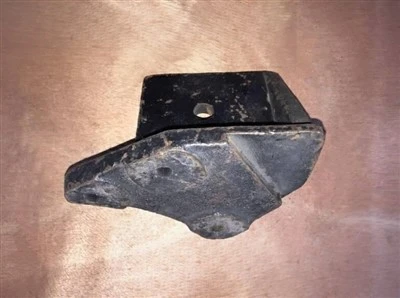
First, let’s get one thing straight: most people start searching for rare bus parts the wrong way. They go straight to Google and type something like “2005 Gillig phantom steering column” or “vintage international bus door hinge,” and then sift through thousands of results that have nothing to do with what they need. The search engine doesn’t always know the difference between a bus part and a car part, or a commercial transit part and a aftermarket replacement that won’t fit. So before you even pull up your browser, gather as much specific, detailed information about the part as you can. This might seem basic, but the more details you have, the faster you’ll narrow things down. Start with the exact make, model, and year of the bus—don’t just say “my old bus” or “a transit coach from 10 years ago.” If you have a part number, write that down. Bus manufacturers stamp every component with a unique number, and that number is the fastest way to find an exact match. If you don’t have a part number, take clear photos of the part from every angle, measure its dimensions, note any small markings or labels, and even check for worn areas or features like mounting holes. I’ve had clients bring me a blurry photo of a side mirror and expect me to find the exact one for a 1999 Blue Bird All American, but half the time, the tiny sticker on the back that says “Fiamm Model 780” is the key to finding it fast. Even if the part is damaged, those small details matter.
Once you have all that information, it’s time to use targeted search methods, not just general Google searches. Let’s break this down step by step. First, head straight to the manufacturer’s old parts databases or support pages. Most major bus manufacturers—Gillig, Blue Bird, International, New Flyer, Prevost—keep archives of parts information for older models, even if they don’t sell new buses from that line anymore. They might charge a small fee for a parts lookup, but it’s worth it because you’ll get an official, OEM (original equipment manufacturer) part that fits perfectly. I remember a client a few years back who had a 2003 Prevost coach that needed a rare HVAC control module. He searched for weeks on third-party parts sites and only found aftermarket units that weren’t compatible. When he called Prevost directly, their old parts archive had the exact module, and we were able to source it for him within a week. The only downside here is that for models over 15 or 20 years old, some manufacturers stop offering parts support, so you might have to move to the next step.
That next step is to tap into bus industry-specific networks, and this is where a lot of people miss out. The bus industry is a tight-knit community, way smaller than the automotive or truck industries, and people are usually willing to help. Start with local and national bus maintenance or repair groups. There are Facebook groups for transit fleet managers, bus restoration enthusiasts, and independent bus repair shops—join a few of them and post your request for the part, complete with all the details you gathered. You’ll be surprised how many people have old buses sitting in their yards, or have stored parts from when they scrapped a similar model. I once had a colleague in the parts business post in a group for school bus owners asking for a 2010 IC Bus transmission mount, and within an hour, someone in Ohio responded that they had the exact part sitting in their garage from when they scrapped the same model. These groups also have regular meetups and trade shows, which are great places to connect with people who specialize in older or rare buses.
Another underrated network is bus scrap yards and salvage yards, but not just any salvage yards—look for ones that specialize specifically in commercial vehicles, especially buses. General auto salvage yards might not have the large, heavy-duty components buses use, but a yard that deals in transit coaches, school buses, and motor coaches will have rows of parked buses waiting to be stripped for parts. The key here is to call ahead and tell them exactly what you’re looking for, instead of just showing up and wandering around. Most salvage yards will check their inventory for you, and if they don’t have the part themselves, they might know another yard that does. I work with several bus salvage yards across the country, and every week, I source rare parts from them. A few months ago, we had a client with a 1998 Gillig transit bus that needed a rare rear wheel hub, and the salvage yard in Pennsylvania had a 1999 model that was the exact same. The hub cost a fraction of what an aftermarket replacement would have, and it fit perfectly because they were the same year and model.
After that, consider specialty bus parts distributors. These are companies like mine that focus specifically on bus parts, not general automotive parts. We don’t carry every standard part, but we have deep access to parts from manufacturers, salvage yards, and our own network of other suppliers. We also have the advantage of knowing exactly which parts are rare and where to find them, because we work with bus parts every single day. When a client comes to me with a rare part request, I don’t just search a single database—I check my network of over 50 other bus parts suppliers, I contact the manufacturer’s archive, I reach out to the bus groups I’m part of, and I check with my salvage yard contacts all at once. That’s the difference between a general parts supplier and a bus specialist: we have the network and the expertise to find parts that others miss. We also vet every part we sell, so you don’t have to worry about getting a used part that’s worn out or an aftermarket part that doesn’t fit.
Now, what if you can’t find an exact OEM or used part? That’s when you look for compatible cross-references or custom-made replacement parts. Cross-referencing is when you find a part from a newer or older model of the same bus make, or a part from a different make that has the same dimensions and functionality. For example, a door latch from a 2004 Blue Bird might work on a 2007 Blue Bird if the mounting holes line up and the size is the same. Cross-referencing takes research, and you have to be careful—even a small difference in size or functionality can cause big problems for a bus that needs to be safe and reliable. That’s why working with a specialist who knows these cross-references is so helpful. If cross-referencing doesn’t work, custom replacement parts are another option. Some companies make aftermarket parts specifically for older buses, designed to be exact replacements for the rare OEM parts that are no longer available. These parts might cost a bit more than used parts, but they’re often made to last, and they’re a great option for buses that you want to keep on the road for years to come.
But before you go searching for any part, there are a few mistakes I see people make all the time that waste their time and money. First, don’t buy the first part you find. Rare parts often have a range of prices, and just because a site says a part is rare doesn’t mean you have to pay their markup. Always check multiple sources, and ask for proof that the part works—especially for used parts. I’ve had clients buy a used part from a private seller on Craigslist that looked like the right part, only to find out it was damaged or from a different model, and they had to pay for shipping both ways and end up back at square one. Second, don’t ignore the difference between OEM, used, and aftermarket parts. OEM parts are the best fit and most reliable, but they’re usually the most expensive. Used parts are cheaper, but they come with no warranty, so you have to buy from a trusted source. Aftermarket parts can be a good middle ground, but make sure they’re made for your specific bus model. Third, be patient. Rare parts don’t always turn up in a day or even a week. Sometimes it takes a month or more to track down the exact part you need, especially for very old or low-production bus models. Rushing to buy a wrong part just to get your bus back on the road will only cost you more in the long run.
At the end of the day, the key to finding rare bus parts is to be specific, use industry networks, and work with people who know the bus parts business inside and out. As someone who’s spent 12 years in this industry, I’ve helped hundreds of clients get their buses back on the road, no matter how rare the part seemed. If you’re struggling to find a part for your bus, don’t keep searching alone. Reach out to a bus parts specialist who can tap into their network, check all the possible sources, and find you the exact part you need at a fair price. Don’t waste another hour scrolling through irrelevant search results or dealing with sellers who don’t know the difference between a bus part and a car part. Let the experts handle the hard work so you can get back to what matters—running your fleet, keeping passengers safe, and making your business work.

If you’re tired of hunting for rare bus parts and ready to work with a team that actually knows this industry, reach out to us today to discuss your needs. We have the connections, the expertise, and the inventory to get you the parts you need, fast.
Sinotruck HOWO Parts References
Bus Maintenance Council. (2022). Guide to Sourcing Commercial Vehicle Parts. American Trucking Associations.
National School Transportation Association. (2021). Parts Supply Chain Challenges for Vintage Transit Buses.
Bus Fleet Technology Report. (2023). Strategies for Locating Rare OEM and Aftermarket Bus Components.
Jinan Hong’an Machinery Parts Co., Ltd.
As one of the most professional bus parts manufacturers and suppliers in China, we offer a wide range of products with superior quality. With abundant experience, we warmly welcome you to buy high quality bus parts for sale here from our factory. For price consultation, contact us.
Address: Quanli Heavy Truck Parts City, No. 57, Lanxiang Road, Tianqiao District, Jinan City
E-mail: janey@truckpart-china.com
WebSite: https://www.truckpart-china.com/
