If you’ve ever pulled up to a stoplight in summer, stared at the faded, cracked plastic side mirror of your car, or wondered why the interior trim of your old pickup truck still looks almost new after a decade of full-sun driving, you’ve been noticing the quiet, often uncelebrated work of motor plastic parts UV resistance. As a motor plastic parts supplier, I get asked this question all the time—usually by fleet managers looking to cut replacement costs, auto designers trying to build more durable passenger vehicles, or even small business owners who rely on utility trucks that work outdoors 365 days a year. UV resistance isn’t just a “nice-to-have” feature for these parts—it’s what keeps them from failing, saves thousands in replacements, and prevents unexpected downtime when a critical component breaks on the job. Motor Plastic Parts
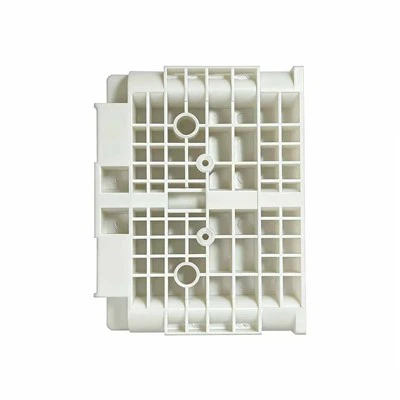
Let’s start with the basics, because this isn’t some vague marketing term we throw around in our sales decks. Ultraviolet radiation from the sun is the part of the light spectrum that has enough energy to break chemical bonds in organic materials like plastic. For motor plastics, which are made of long polymer chains, that bond breaking is the root of every common sun-related failure: fading, brittleness, cracking, and even structural collapse in parts that hold mechanical loads. I’ve seen it firsthand on delivery vans we supplied last year—one fleet manager called us frantic because their dashboard trim was cracking so badly it was blocking air vents. Turns out, they’d gone with a cheaper plastic supplier who cut corners on UV stabilization, and after just two years of year-round work in Arizona, the plastic had degraded beyond repair. That’s the kind of mistake we work hard to help our clients avoid, and it all comes down to understanding how UV resistance works in motor-specific plastics, not just generic plastics.
First, let’s break down what motor plastic parts are made of, because their UV resistance depends entirely on their base material. Most motor plastics fall into a handful of categories, each with different inherent (or “natural”) UV stability, plus optional additives we add to boost it. Polypropylene (PP) is the workhorse of motor parts—it’s used for bumpers, interior trim, engine covers, and even some exterior housings. Natural PP actually has pretty poor UV resistance on its own. Its polymer chains have weak points called tertiary carbons, and UV light snags those points to break the chains. Left untreated, PP will fade within months and turn brittle enough to snap if you tap it too hard. Then there’s Acrylonitrile Butadiene Styrene (ABS), which is common for side mirrors, door handles, and dashboard components. ABS has better inherent stability than PP, but the butadiene rubber in its formula is still highly susceptible to UV damage—expose raw ABS to the sun for a year, and it’ll go yellow, develop surface cracks, and lose its impact strength.
Then we have the engineering plastics, which are used for more critical motor parts: Polyamide (PA, or Nylon) for gears, engine mounts, and under-hood components; Polycarbonate (PC) for light housings and wind deflectors; and Polyethylene Terephthalate (PET) for wiring harnesses and interior panels. Nylon, for example, absorbs moisture, which makes it even more vulnerable to UV when it’s dry. Polycarbonate is actually pretty inherently stable, but it scratches easily, and UV can still break its bonds over time if it’s not treated. The key takeaway here: no motor plastic is completely UV-proof out of the box—you have to tailor the material and additives to the part’s specific use case.
That’s where our expertise as a motor plastic parts supplier comes in. UV resistance isn’t a one-size-fits-all solution, and we spend a lot of time walking clients through that. The first line of defense for motor parts is adding UV stabilizers during the molding process, not as an afterthought coating (which often peels or wears off over time). There are two main types of UV stabilizers we use, depending on the part’s requirements. The first is UV absorbers, which work by soaking up UV radiation before it can damage the polymer chains. For example, when we make exterior door handles that have to stand up to 5 years of Florida sun, we add benzotriazole-based UV absorbers to the ABS formula—these molecules are specifically designed to target the 290–400 nm range of UV light that’s most damaging to plastics. The second type is hindered amine light stabilizers (HALS), which are even more effective for long-term UV resistance. HALS don’t just absorb UV—they repair the chemical damage that UV causes, like scavenging free radicals that form when bonds break. We almost always combine HALS with UV absorbers for under-hood parts that see constant sun exposure and need to last 7–10 years, because the combo cuts down on degradation by up to 90% compared to untreated plastic.
Another trick we use is pigmentation and color matching. A lot of clients don’t realize that the color of a motor part plays a big role in its UV resistance. Dark colors, especially black or dark gray, absorb more UV light, so they degrade faster than light colors—this is why white dashboard trim often lasts longer than black trim in the same vehicle. But we can adjust pigments to add UV protection too. For example, carbon black is a common pigment that actually doubles as a UV stabilizer for black parts. It works by scattering and absorbing UV light, so we’ll add a small amount of carbon black to PP bumpers not just for color, but for an extra layer of defense. We have special formulas for clients who need custom colors, too—we test every color match to make sure the pigment doesn’t interfere with the UV stabilizers we added, and that the finished part passes accelerated aging tests.
Accelerated aging testing is non-negotiable for us as a supplier. We can’t just guess how a part will hold up to 5 years of sun; we test it in a controlled chamber that simulates UV radiation, heat, and humidity 24/7, to speed up the degradation process. Our standard test for all exterior motor parts is 1,000 hours of Xenon Arc testing, which is the industry standard for automotive plastics. That’s equivalent to about 5 years of real-world sun exposure in moderate climates, and 2–3 years in places like Arizona or Australia. We also do specialized testing for under-hood parts, which have to deal with both UV and high temperatures—we’ll run those parts through heat cycling and UV exposure at the same time to mimic the engine bay’s harsh environment. Last year, we had a client who needed side mirrors for a fleet of delivery trucks working in Saudi Arabia, so we ran their ABS mirror housings through 1,500 hours of accelerated aging to make sure they didn’t fade or crack after 3 years of daily sun. They came back with zero surface damage, and the client saved over $20,000 in replacement costs that first year alone.
Now, let’s talk about common mistakes we see other suppliers make when it comes to motor plastic UV resistance. A lot of cut-rate suppliers will skip adding proper UV stabilizers to cut costs, or use lower-grade stabilizers that break down quickly after a few months. For example, some HALS stabilizers are designed for low-stress applications like garden furniture, not for motor parts that have to withstand temperature swings and mechanical loads at the same time. We only use HALS stabilizers that meet SAE J1960 standards, which is the automotive industry’s benchmark for material durability. Another mistake is applying a UV coating after molding, instead of integrating stabilizers during the material compounding. Coatings can chip, peel, or scratch off when a part is being installed, or from road debris and car washes. Compounded stabilizers are mixed evenly throughout the plastic, so no matter how much the part is scratched or worn, the UV protection is still there.
We also work with clients on part design to boost UV resistance. For example, large flat parts like bumpers are more prone to UV damage because they have more surface area exposed to the sun. We’ll suggest small design tweaks, like adding slight contours or texture that reduces the amount of direct UV exposure, or reinforcing high-stress areas that would be more likely to crack if the plastic degraded. For interior parts, which still see UV through windows, we’ll adjust the stabilizer level to match the part’s location—dashboard trim that’s hit by direct sun through the windshield gets a higher level of HALS than trim hidden by the steering wheel.
What about when things do go wrong, even with the best materials? We stand behind every part we supply, and we do post-failure testing to figure out why. Last year, a large automaker came to us with complaints about their new side mirror housings cracking after 18 months. We tested the parts, and found that the supplier they’d used previously had added too much of a cheap UV absorber that reacted with the ABS’s butadiene rubber, causing the plastic to become brittle. That’s the kind of problem we avoid by working closely with our material compounders, testing every batch of parts we make, and making sure our formulations are tailored specifically for motor parts, not generic plastics.
As someone who’s been in the motor plastic parts industry for over a decade, I can tell you that UV resistance is one of the biggest differentiators between a good supplier and a great one. It’s not just about making a part that fits—its about making a part that works for the entire lifecycle of the vehicle or equipment it’s going into. Whether you’re an auto manufacturer working on a new line of electric vehicles that need lightweight, durable exterior parts, a fleet manager looking to cut maintenance costs on your delivery trucks, or a recreational vehicle builder whose parts have to stand up to months of sun on the road, UV resistance is non-negotiable.
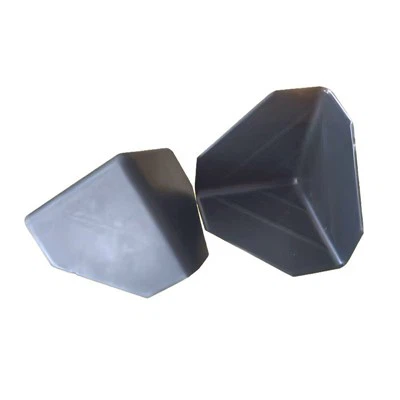
If you’re looking for a motor plastic parts supplier that prioritizes real, tested UV resistance over cheap shortcuts, we’d be glad to work with you. We can help you select the right material for your application, adjust UV stabilizer levels to meet your durability requirements, and run any testing you need to make sure your parts will hold up in even the harshest conditions. We’ve worked with businesses of all sizes, from small local auto shops to large national fleet operators, and we’ve got the expertise to get you the right parts without breaking your budget.
Plastic Plug References
- SAE International. (2020). J1960: Material Durability for Interior Automotive Components.
- Gardette, J. L., & Therias, S. (2018). Photooxidation of Polymeric Materials: Mechanisms, Stabilization, and Testing. Polymer Degradation and Stability, 152, 112–128.
- American Chemistry Council. (2021). Automotive Plastics: Performance Requirements for Outdoor Applications.
- Crawford, R. J., & Thompson, V. (2019). Engineering Plastics for Automotive Use: Durability and Lifecycle Performance. Journal of Automobile Engineering, 233(12), 2215–2229.
Deqing Fengcheng Plastic Products Co., Ltd.
With abundant experience, we are one of the most professional motor plastic parts manufacturers and suppliers in China. We warmly welcome you to wholesale bulk customized motor plastic parts from our factory. If you have any enquiry about free sample, please feel free to email us.
Address: No. 18, Yanhe West Road, Yuyue Town, Deqing County, Huzhou City, Zhejiang Province
E-mail: super_fetching@163.com
WebSite: https://www.funchim.com/
