As a supplier of magnesium chloride, I’ve been frequently asked about the potential uses of magnesium chloride in the pulp and paper industry. This inquiry stems from the industry’s continuous search for more efficient, sustainable, and cost – effective chemicals. In this blog, I’ll explore whether magnesium chloride can indeed find a place in the pulp and paper industry, delving into its chemical properties, possible applications, and associated benefits and challenges. Magnesiuim Chloride
Understanding Magnesium Chloride
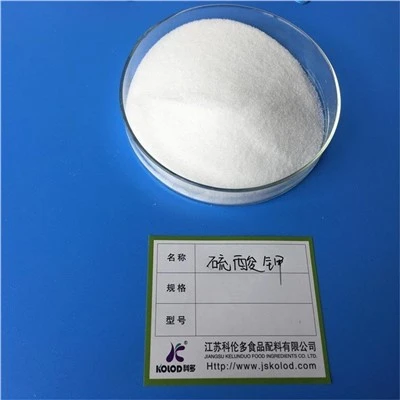
Magnesium chloride ($MgCl_{2}$) is a white or colorless crystalline compound. It’s highly soluble in water, and this property is crucial for many industrial applications. In nature, it can be found in large deposits in salt lakes, dead seas, and underground brines. There are different forms of magnesium chloride available commercially, such as anhydrous magnesium chloride (pure $MgCl_{2}$) and various hydrates like magnesium chloride hexahydrate ($MgCl_{2}\cdot6H_{2}O$).
Potential Applications of Magnesium Chloride in the Pulp and Paper Industry
Pulping Process
The pulping process is the first step in paper production, where wood chips or other fibrous materials are broken down to separate cellulose fibers from lignin and other components. Traditionally, chemicals like sodium hydroxide and sodium sulfide are used in the kraft pulping process. However, magnesium chloride could potentially play a role here.
Magnesium ions can interact with lignin and cellulose. Some studies suggest that in a slightly modified pulping process, magnesium chloride can act as a buffer and stabilizer. In alkaline pulping conditions, magnesium ions can prevent the over – degradation of cellulose fibers. They form a protective layer on the fiber surface, reducing the reactivity of cellulose towards strong alkalis. This results in pulp with better strength properties, as the cellulose chains remain more intact.
Moreover, magnesium chloride can form complexes with certain metal ions present in the wood, such as iron and manganese. These metal ions can catalyze the degradation of cellulose during pulping, leading to a decrease in pulp quality. By binding to these metal ions, magnesium chloride can mitigate their negative effects and improve the overall efficiency of the pulping process.
Bleaching Process
Bleaching is another critical stage in the production of high – quality white paper. Chlorine – based bleaching agents were once widely used, but due to environmental concerns, more environmentally friendly alternatives are being explored. Magnesium chloride could be a valuable addition to the bleaching process.
In hydrogen peroxide bleaching, which is a common non – chlorine bleaching method, magnesium ions can act as a stabilizer. Hydrogen peroxide is unstable and can decompose rapidly, especially in the presence of metal ions. Magnesium chloride provides a source of magnesium ions that can inhibit the decomposition of hydrogen peroxide. This means that more hydrogen peroxide is available for the actual bleaching reaction, leading to better bleaching efficiency and a reduction in the amount of hydrogen peroxide required.
Additionally, the use of magnesium chloride in the bleaching process can help to prevent the yellowing of the pulp over time. The magnesium ions can react with some of the residual lignin and other impurities in the pulp, making them easier to remove and reducing the potential for discoloration.
Paper Coating
Paper coating is used to improve the printability, smoothness, and brightness of paper. Magnesium chloride can be incorporated into the coating formulation. When added to the coating color, it can enhance the adhesive properties of the binder used in the coating. The magnesium ions can interact with the polymers in the binder, increasing the strength of the bond between the coating layer and the paper surface.
Furthermore, magnesium chloride can contribute to the control of the rheological properties of the coating color. It can adjust the viscosity of the coating, making it easier to apply evenly on the paper. This results in a more uniform coating thickness and improved surface quality of the coated paper.
Benefits of Using Magnesium Chloride in the Pulp and Paper Industry
Environmental Friendliness
One of the most significant advantages of using magnesium chloride in the pulp and paper industry is its environmental friendliness. Compared to some traditional chemicals used in pulping and bleaching, magnesium chloride is less toxic and has a lower environmental impact. For example, in the bleaching process, the use of magnesium chloride in combination with hydrogen peroxide reduces the need for chlorine – based bleaching agents, which can produce harmful dioxins and other pollutants.
Magnesium is also an essential element in the environment. When magnesium chloride is released into the environment in small amounts, it can contribute to the natural nutrient cycle. It can be easily assimilated by plants and microorganisms, and it is less likely to cause long – term environmental damage compared to some heavy metal – containing chemicals.
Cost – Effectiveness
From a cost perspective, magnesium chloride can offer significant savings in the pulp and paper industry. In the pulping process, as it can improve the efficiency of fiber separation and reduce fiber degradation, it can potentially increase the yield of pulp per unit of raw material. This means that less wood or other fibrous materials are needed to produce the same amount of pulp, resulting in cost savings on raw materials.
In the bleaching process, the stabilizing effect of magnesium chloride on hydrogen peroxide reduces the amount of hydrogen peroxide required for effective bleaching. Since hydrogen peroxide is a relatively expensive chemical, this reduction in consumption can lead to substantial cost savings. Additionally, in paper coating, the improved adhesive and rheological properties provided by magnesium chloride can reduce the amount of binder and other additives needed, further lowering the production cost.
Quality Improvement
Magnesium chloride has a positive impact on the quality of pulp and paper products. In the pulping process, as mentioned earlier, it protects cellulose fibers from degradation, resulting in pulp with higher strength. This stronger pulp can be used to produce paper with better mechanical properties, such as higher tensile strength and burst strength.
In the bleaching process, the use of magnesium chloride leads to better – bleached pulp with improved brightness and less yellowing over time. This is particularly important for high – quality paper products, such as printing and writing papers. In paper coating, the enhanced adhesive and rheological properties result in a smoother and more uniform coating, improving the printability and appearance of the paper.
Challenges and Limitations
Compatibility with Existing Processes
One of the main challenges of using magnesium chloride in the pulp and paper industry is its compatibility with existing processes. The pulp and paper industry has well – established production processes that have been optimized over many years. Introducing a new chemical like magnesium chloride may require significant modifications to these processes.
For example, in the pulping process, the addition of magnesium chloride may change the pH and chemical balance of the pulping liquor. This can affect the solubility of lignin and other components, as well as the performance of other chemicals used in the process. Therefore, careful process optimization is required to ensure that the use of magnesium chloride does not disrupt the normal operation of the pulping process.
Corrosion Issues
Magnesium chloride is a salt, and in aqueous solutions, it can be corrosive to certain metals. In the pulp and paper industry, many of the production facilities are made of metals such as steel and aluminum. The use of magnesium chloride may increase the corrosion rate of these metals, leading to equipment damage and increased maintenance costs.
To address this issue, appropriate corrosion – resistant materials need to be used in the production equipment. Additionally, corrosion inhibitors can be added to the magnesium chloride – containing solutions to reduce the corrosion rate. However, these measures also add to the cost and complexity of the production process.
Regulatory Compliance
The use of any chemical in the pulp and paper industry is subject to regulatory requirements. Although magnesium chloride is generally considered a relatively safe chemical, there may still be regulations regarding its use, storage, and disposal. Different regions may have different regulations regarding the maximum allowable concentration of magnesium chloride in wastewaters and the environmental impact of its use.
Therefore, pulp and paper mills need to ensure that they comply with all relevant regulations when using magnesium chloride. This may require additional monitoring and reporting, which also adds to the administrative burden and cost of production.
Conclusion
In conclusion, magnesium chloride has significant potential for use in the pulp and paper industry. Its unique chemical properties allow it to contribute to the pulping, bleaching, and paper – coating processes. It offers several benefits, including environmental friendliness, cost – effectiveness, and quality improvement. However, there are also challenges and limitations, such as compatibility with existing processes, corrosion issues, and regulatory compliance.
Oxalates As a magnesium chloride supplier, I believe that with further research and development, these challenges can be overcome. I am dedicated to providing high – quality magnesium chloride products and technical support to the pulp and paper industry. If you are interested in exploring the use of magnesium chloride in your pulp and paper production processes, please contact us to discuss potential applications and procurement options. We are eager to work with you to find the best solutions for your specific needs.
References
- "Pulp and Paper Chemistry and Technology" by James P. Casey
- "Chemical Engineering in the Pulp and Paper Industry" by James G. Gullichsen and Hannu Paulapuro
- "Industrial Chemicals: Properties, Uses, and Environmental Impact" edited by John R. Dean
- "Cellulose Chemistry and Technology" journal, various issues related to pulping and bleaching processes
Jiangsu Kolod Food Ingredients Co., Ltd.
As one of the most professional magnesiuim chloride manufacturers and suppliers in China, we’re featured by quality products and good price. Please rest assured to wholesale bulk magnesiuim chloride made in China here and get free sample from our factory. Customized orders are welcome.
Address: South Side of Weier Road, Guanyun Development Zone, Lianyungang City, Jiangsu Province, China
E-mail: sales1399@jskolod.com
WebSite: https://www.kolod-group.com/
