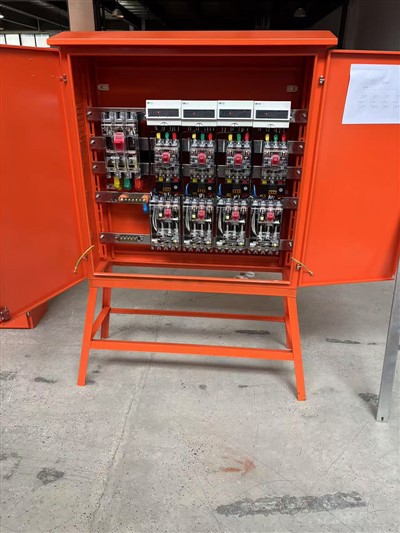
Hey there! I’m a supplier of distribution boxes, and I’m super excited to chat with y’all about the regulations for installing these nifty things. You see, distribution boxes play a crucial role in electrical systems. They help in distributing electrical power from a single source to multiple circuits. But, just slapping one in place isn’t gonna cut it. There are some pretty important regulations out there that you gotta follow to keep things safe and legal. Distribution Box
National Electrical Codes (NEC)
In the United States, the National Electrical Code (NEC) is the go – to document for electrical installation regulations. It’s updated every three years to keep up with the latest tech and safety standards. When it comes to installing a distribution box, the NEC has a bunch of rules.
First off, location matters big time. The distribution box should be installed in a readily accessible location. That means it can’t be hidden behind a bunch of stuff or in a place that’s hard to reach in case of an emergency or maintenance. You can’t stick it in a closet full of junk or bury it behind a wall that’s difficult to break through. It’s gotta be somewhere that electricians or anyone who needs to work on it can get to easily.
Then there’s the issue of clearances. The NEC specifies how much space you need to leave around the distribution box. For example, you need at least 3 feet of clear space in front of the box. This is so that if someone has to open the box and work on it, they have enough room to move around without getting cramped or hitting other objects. Also, there should be a minimum of 30 inches of width and 6.5 feet of headroom in front of the box. These clearances are all about safety, making sure that people can access the box safely and that there’s no chance of someone getting injured while working on the electrical components.
Mounting Requirements
Proper mounting of the distribution box is also a key part of the regulations. The box has to be securely mounted. It can’t be wobbly or loose. Most of the time, it’s mounted on a wall. When you’re mounting it on a wall, you need to make sure that the wall can support the weight of the box and all the components inside it. If you’re using a metal box, it should be grounded properly. Grounding helps to protect against electrical shocks by providing a path for the electricity to flow safely into the ground if there’s a fault in the system.
The mounting height is another thing to consider. The bottom of the box should generally be at least 4 feet above the floor in a residential setting. In commercial buildings, the rules can be a bit different, but usually, it’s also required to be at a height where it’s accessible but out of the way of normal foot traffic. This height requirement is to prevent accidental damage to the box and to make it easier to work on.
Wiring and Circuit Protection
Now, let’s talk about wiring. The wiring inside the distribution box has to be done right. The wires should be of the correct gauge for the amount of current that will be flowing through them. Using the wrong gauge wire can lead to overheating, which is a major fire hazard. The wires should also be properly insulated to prevent short – circuits and electrical shocks.
In the distribution box, there are usually circuit breakers or fuses. These are there to protect the circuits from overloading. Each circuit breaker or fuse should be rated correctly for the specific circuit. For example, a circuit that powers a bunch of lights in a room might need a lower – rated circuit breaker compared to a circuit that powers a high – power appliance like a refrigerator. The circuit breakers or fuses should be clearly labeled so that it’s easy to tell which circuit they protect. This helps in quickly identifying and fixing any electrical problems.
Environmental Considerations
The environment where the distribution box is installed also has an impact on the regulations. If the box is going to be installed outdoors, it needs to be rated for outdoor use. Outdoor distribution boxes are designed to be weather – resistant. They have to be able to withstand rain, snow, extreme temperatures, and other environmental factors.
In areas where there’s a risk of moisture, like basements or bathrooms, the distribution box should be protected from moisture. You might need to use a moisture – resistant enclosure or install the box in a location where it’s not likely to get wet. In industrial settings, where there might be dust, chemicals, or other contaminants, the box should be able to handle those conditions. There are special boxes available that are designed to be dust – tight, explosion – proof, or resistant to certain chemicals.
Inspection and Approval
Once the distribution box is installed, it usually needs to be inspected by a qualified electrical inspector. This inspector will check to make sure that all the regulations have been followed. They’ll look at the location, the mounting, the wiring, the circuit protection, and the environmental protection. If everything meets the standards, they’ll give their approval. Without this approval, it might be illegal to use the distribution box, and it could also void your insurance.
Why Following Regulations is a Big Deal
You might be thinking, "Why do I have to follow all these regulations? It seems like a hassle." Well, there are a few good reasons. First and foremost, safety. Electrical systems can be dangerous. If the distribution box is installed incorrectly, it can lead to electrical shocks, fires, or other serious accidents. By following the regulations, you’re protecting yourself, your family, your employees, and anyone who might be around the electrical system.
Secondly, it’s about compliance. If you don’t follow the regulations, you could face legal issues. You might get fined, and you might even be forced to redo the installation to meet the standards. And let’s not forget about insurance. If there’s an electrical accident and the distribution box wasn’t installed according to the regulations, your insurance company might not cover the damages.
How We Can Help
As a distribution box supplier, we’ve got a lot of experience in this area. We can provide you with high – quality distribution boxes that meet all the relevant regulations. Our boxes are made from top – notch materials and are designed to be easy to install and maintain.
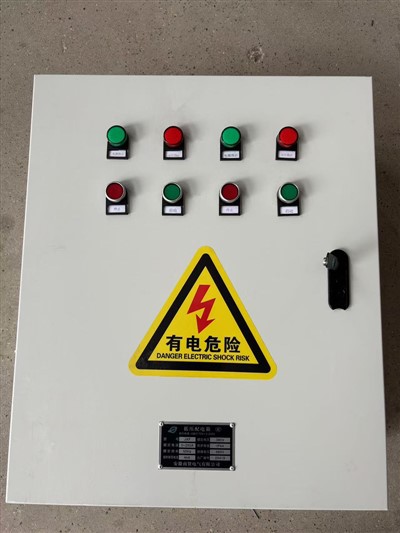
We also offer a lot of support to our customers. If you’re not sure how to install the distribution box correctly, our team of experts can give you advice. We can help you choose the right box for your specific needs, whether it’s for a small residential project or a large commercial one. We can also send you detailed installation guides that will walk you through the process step by step.
Distribution Cabinet If you’re in the market for a distribution box, or if you’ve got any questions about the installation regulations, don’t hesitate to reach out. We’re here to make the whole process as easy and stress – free as possible for you. Contact us to start a conversation about your purchase. We’d love to work with you to get your electrical system up and running safely and efficiently.
References
- National Electrical Code (NEC) Handbook
- Various local electrical installation regulations and guidelines
- Industry best practices for electrical distribution box installation
Anhui Nanxian Electric Co., Ltd.
With abundant experience, we are one of the most professional distribution box manufacturers and suppliers in China. We warmly welcome you to buy advanced distribution box for sale here and get quotation from our factory. All customized products are with high quality and low price.
Address: Factory Unit 03-2, Building 21, Feidong Yinfeng Industrial Park Co., Ltd., Northeast Corner of Manquan Road and Changle Road, Hefei Circular Economy Demonstration Park, Feidong County, Hefei City, Anhui Province.
E-mail: 541580567@qq.com
WebSite: https://www.nxelepower.com/
