What is the lifespan of an air preheater seal?
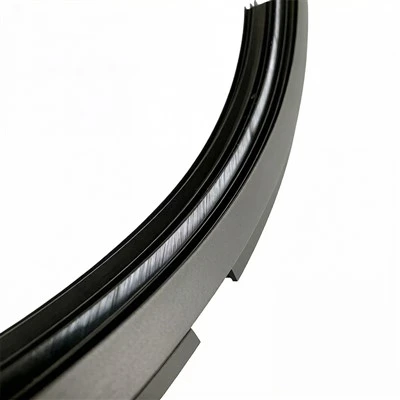
As a supplier of air preheater seals, I’ve had numerous in – depth conversations with plant operators, engineers, and maintenance crews. One question that constantly surfaces is, "What is the lifespan of an air preheater seal?" This query is crucial as it directly impacts operational efficiency, maintenance costs, and overall plant performance. Air Preheater Seal
Understanding the Air Preheater Seal
Before delving into the lifespan, it’s essential to understand what an air preheater seal actually does. Air preheaters are devices used in power plants, boilers, and other industrial processes to recover heat from the flue gases. This recovered heat is then used to preheat the combustion air, which significantly improves the overall efficiency of the combustion process.
Air preheater seals play a vital role in this system. They prevent the leakage of hot flue gases and the mixing of air and flue gas streams. When the seals are effective, they help maintain the proper temperature distribution, increase the efficiency of the air preheater, and reduce the environmental impact by minimizing emissions of harmful pollutants.
Factors Affecting the Lifespan
The lifespan of an air preheater seal is not a fixed number. It varies depending on several factors:
Operating Conditions
The conditions under which the air preheater operates have a major impact on seal lifespan. High – temperature environments can cause the seal materials to degrade over time. For example, in a coal – fired power plant, the flue gases can reach extremely high temperatures. If the seal is not made of heat – resistant materials, it will start to break down much faster.
The chemical composition of the flue gases is another critical factor. Acidic gases, such as sulfur dioxide (SO₂) and nitrogen oxides (NOₓ), can corrode the seals. In some industrial processes where waste is incinerated, the flue gases may contain a complex mixture of chemicals that can be highly corrosive to the seal materials.
Seal Design and Material
The design of the air preheater seal is also important. A well – designed seal can better withstand the mechanical stresses, thermal expansion, and contraction that occur during operation. For instance, a flexible seal design can adapt to the movement of the air preheater components, reducing the risk of damage.
The choice of material is equally crucial. Different materials have different properties in terms of heat resistance, corrosion resistance, and wear resistance. Common materials used for air preheater seals include ceramic fibers, metallic alloys, and composite materials. Ceramic fiber seals are known for their excellent heat insulation properties, while metallic alloy seals offer high strength and durability.
Maintenance and Inspection
Regular maintenance and inspection can significantly extend the lifespan of an air preheater seal. During maintenance, worn – out parts can be replaced, and any signs of damage can be addressed promptly. Inspection helps in detecting early signs of wear, corrosion, or misalignment. For example, if a seal is found to be slightly misaligned during an inspection, it can be adjusted before the misalignment causes more severe damage.
Typical Lifespan Ranges
Based on my experience in the industry and feedback from our customers, the lifespan of an air preheater seal can range from 1 to 5 years.
In relatively mild operating conditions, such as in some natural – gas – fired power plants where the flue gas temperatures are lower and the chemical composition is less aggressive, the seals can last up to 5 years. The seals in these environments are subjected to less stress, and the materials degrade at a slower rate.
On the other hand, in harsh operating conditions, such as coal – fired power plants with high – sulfur coal or industrial incinerators, the lifespan may be as short as 1 year. The high temperatures, corrosive gases, and abrasive particles in the flue gases can cause rapid wear and tear of the seals.
Extending the Lifespan of Air Preheater Seals
As a supplier, we are always looking for ways to help our customers extend the lifespan of their air preheater seals. Here are some strategies:
Selecting the Right Material
We work closely with our customers to understand their specific operating conditions. Based on this information, we can recommend the most suitable seal materials. For example, if a plant is dealing with high – temperature and corrosive flue gases, we may suggest a ceramic – based composite material that offers both heat resistance and corrosion resistance.
Custom – Designed Seals
We offer custom – designed seals to meet the unique requirements of each customer. By taking into account the size, shape, and operating conditions of the air preheater, we can design a seal that fits perfectly and performs optimally. A well – fitting seal reduces the chances of leakage and mechanical stress, which in turn extends its lifespan.
Providing Maintenance Training
We also provide maintenance training to our customers’ staff. This training covers topics such as proper inspection techniques, seal replacement procedures, and preventive maintenance measures. By equipping the maintenance crews with the necessary knowledge and skills, we can ensure that the seals are properly maintained, which helps in prolonging their lifespan.
The Importance of a Long – Lasting Seal
A long – lasting air preheater seal offers several benefits. Firstly, it reduces maintenance costs. Frequent seal replacements require significant labor and material costs. By extending the seal lifespan, the plant can save money on these recurring expenses.
Secondly, it improves the efficiency of the air preheater. A properly functioning seal reduces the leakage of hot flue gases and air, which means that more heat is recovered and used for preheating the combustion air. This, in turn, improves the overall efficiency of the combustion process, leading to lower fuel consumption and reduced emissions.
Finally, it enhances the reliability of the power plant or industrial process. Unplanned downtime due to seal failure can be extremely costly. A long – lasting seal reduces the risk of such failures, ensuring continuous and stable operation.
Conclusion
In conclusion, the lifespan of an air preheater seal is influenced by a variety of factors, including operating conditions, seal design and material, and maintenance practices. While it can range from 1 to 5 years, with the right strategies, such as selecting the appropriate materials, custom – designing the seals, and providing proper maintenance, the lifespan can be extended.
Aircraft Engine Seal As a leading supplier of air preheater seals, we are dedicated to providing high – quality products and services to our customers. Our team of experts is always ready to help you select the best seals for your specific needs, offer technical support, and provide maintenance training. If you are looking for reliable air preheater seals and want to discuss how we can help you optimize your operations, we encourage you to reach out to us for a procurement discussion.
References
- "Air Preheater Handbook" by Industry Press
- "Materials for High – Temperature Applications" by Academic Publishers
- Technical reports from various power plants and industrial facilities on air preheater seal performance.
Jiangsu Turbine Electric Power Technology Co., Ltd.
As one of the most professional air preheater seal manufacturers and suppliers in China, we have world-leading production equipment and strong manufacturing capabilities. Please feel free to buy advanced air preheater seal for sale here and get pricelist from our factory. Customized orders are welcome.
Address: Building 8, Huaqi Yungu Xuzhou Lingang Industry Accelerator, Jiawang District, Xuzhou City, Jiangsu Province
E-mail: zjh800@163.com
WebSite: https://www.cnturbine.com/
