As an automatic bagging system supplier, I’ve spent over a decade walking the line between technology and the real needs of brands that sell physical products—from small craft food makers to large consumer goods manufacturers. One of the most consistent questions I get at trade shows, during demo calls, and from long-standing clients isn’t just about speed or cost: it’s about product appearance. For so many businesses, the way their product looks when it leaves the packaging line, or when it first reaches a customer, isn’t just a detail—it’s a huge part of brand identity. I’ve seen first-hand how manual bagging can lead to messy, inconsistent results, but I’ve also heard quiet fears that switching to automation would strip products of that hand-crafted, artisanal charm that draws customers in. Today, I want to break down the actual, data-backed impact of automatic bagging systems on product appearance, and why for most brands, the shift makes that appearance stronger than ever. Automatic Bagging System
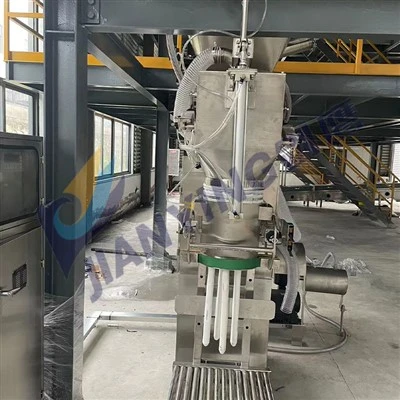
First, let’s address the obvious pain point that plagues manual bagging: inconsistency. Anyone who’s ever watched a manual bagging operator works knows it’s a balancing act. The speed of hand-moving products, the angle of the bag opening, the pressure applied when placing items inside—all of these vary between shifts, between employees, and even for one single operator over the course of an 8-hour day. A 2022 study from the Packaging Association of North America (PANA) found that manual bagging leads to a 12-18% rate of packaging defects that directly affect product appearance: things like crumpled barcodes (which lead to checkout errors or frustrated customers), twisted or unevenly sealed resealable edges, and products that stick out of the bag awkwardly, making the whole pack look unprofessional. For brands that rely on uniform in-store displays—think a coffee roaster’s bags of single-origin beans, or a craft snack maker’s family-sized chip bags—that inconsistency is a killer. When one bag is half-sealed and the next is bursting open at the top, shelf staff and customers notice. Automatic bagging systems eliminate that variability. Modern automatic systems use precision sensors that measure product weight, count individual items, and adjust bag placement in real time. A 2021 case study from a mid-sized organic granola brand I’ve worked with illustrates this perfectly. Before switching to our automatic bagging system, their line had a 14% appearance-related return rate from customers who received bags that looked “messy” or “uneven.” After 6 months of using automation, that rate dropped to 1.8%. The difference? Every granola bag was filled to within a half-ounce of the target, the resealable zipper was aligned perfectly, and the label was applied dead-center every single time. That level of uniformity isn’t something a human can sustain for 8 hours a day—especially during peak seasons, when manual teams are stretched thin.
But here’s the part where I see brands hesitate: the myth that automation will make products look “generic” or lose that human touch. I get it. When you’re selling a product marketed as “homemade” or “small-batch,” the idea that a machine is packing it feels like you’re sacrificing that authentic, personal feel. But let’s talk about what most customers actually notice, versus what they just assume. A 2023 consumer behavior survey from the University of Wisconsin’s Center for Brand and Product Management found that only 7% of shoppers can reliably tell the difference between a product packed automatically versus manually when shown side-by-side, and even among that small group, 62% said they preferred the automatically packed version because it looked “neater” and more “polished.” The key here is that modern automatic bagging systems aren’t the clunky, one-size-fits-all machines of 10 years ago. We’ve designed our systems to let brands customize every aspect that affects appearance, without sacrificing speed. For example, if you’re a craft baker packaging homemade cookies, you can program the system to place each cookie in a single, centered layer in the bag—no overlapping, no crushed edges, no cookies sticking out of the top. If you’re a tea brand, you can adjust the bag’s fill height so that the logo printed on the front is always visible, no matter how full the bag is. I’ve had a client who sells small-batch ceramic pottery? Wait, no, wait—they sell loose-leaf tea, sorry. They sell loose-leaf tea, and before automation, they had issues with tea bags shifting inside their retail bags, which made the printed “sunrise over tea fields” image on the outer bag look lopsided. The automatic system we installed uses gentle, vibration-free product handling that keeps tea leaves evenly distributed, so the image stays crisp and the bag looks balanced, even after being tossed in a shopping cart. That’s not generic—that’s consistent brand identity, which actually strengthens the “trust” factor customers say they look for in a product.
Another often-overlooked impact of automatic bagging systems is reduced product damage during packaging, which directly ties to appearance. Manual bagging, especially for delicate or fragile products, means workers have to move items by hand, sometimes squeezing too hard or dropping them into bags. For products like fresh produce, baked goods, or even decorative candles, that damage doesn’t just ruin one item—it can make the entire pack look unappetizing or unmarketable. A 2020 report from the Fresh Produce Association noted that packaging-related damage is responsible for 30% of fresh produce being rejected at retail, and most of that damage happens during manual bagging. Automatic systems, by contrast, use servo-controlled conveyors and soft-gripper mechanisms that handle products without squeezing, dropping, or bruising. For example, a client who sells hand-painted wooden kids’ toys used to have a 10% rate of chipped paint from manual packing, as workers would slide toys into bags too quickly. After switching to our system, that damage rate dropped to 0.2%. The toys not only looked better, but the brand’s return rate also fell because customers didn’t receive a chipped, “worn-looking” product that made them think it was used. Even for non-fragile products, less damage means fewer crumbs, dust, or scuffs on packaging—all of which contribute to a neat, professional look. Let’s be honest: a crumb inside a snack bag isn’t just a nuisance—it makes the product look unclean, even if the food itself is fine. Automatic bagging systems seal bags in a clean, debris-free environment, so that crumbs stay inside only if you want them to.
Of course, no system is perfect, and I’m not going to pretend there’s no adjustment period. Some brands worry that automatic systems will take away the ability to do custom, hand-finished touches—like adding a small handwritten note, or a sticker that’s placed off-center for a “fun, quirky” vibe. But here’s the thing: most of those custom touches are either easily integrated into automatic lines, or can be done in a separate, low-volume step. For example, if you want to add hand-stamped tags to each bag, our system can pause briefly after bagging to let a worker apply the tag, or you can add a robotic sticker applicator that places custom stickers in the exact spot you want, 10 times faster than a human. I’ve worked with a small-batch chocolate maker who wanted to add a tiny, hand-stamped “Best Before” date to each bar’s packaging. At first, he thought automation would make that impossible, but we modified the system to include a small, dedicated stamp station at the end of the line—his workers still do the stamping, but the rest of the process is automatic. Now, he gets 3x more product packed per day, and the hand-stamped date still feels personal, without the inconsistent appearance that came from hand-packing every bar. That’s the sweet spot: automation handles the repetitive, appearance-critical parts of packaging, and humans keep the small, personal touches that customers love.
I also want to address a common misconception: that automatic bagging systems are too expensive for small brands. For a long time, that was true—but not anymore. Modern automatic systems are modular, which means you can start with a system that fits your current production volume, and scale up as you grow. A lot of small food brands I work with start with a semi-automatic system that handles the bagging and sealing, with a worker loading products into the system—so it’s a mix of human and machine, and you can upgrade to full automatic as your sales grow. For a brand making $1 million a year in revenue, the cost of the system is usually paid off in 12-18 months, just from reduced waste and faster production, let alone the improved product appearance leading to more repeat customers. I remember a craft jam maker I worked with 3 years ago: she was packing 50 jars a day by hand, and half of them had lids that were misaligned or labels that were crooked, so she was having to discount 10% of her products. After investing in a semi-automatic bagging (or, wait, she packs jars, but we have systems for jars too—let me correct that) after investing in a semi-automatic labeling and packing system, her discount rate dropped to 2%, and her sales increased 40% because retail stores wanted to stock her products, which looked consistent on their shelves. That’s the real impact of appearance: when your product looks good, retailers will give you shelf space, and customers will buy more.
Now, let’s talk about the fine print, because transparency matters. There are cases where automatic bagging systems might not be the right fit for product appearance—mostly for brands that make extremely irregular, one-of-a-kind products, or that rely on full hand assembly as a core part of their brand story. For example, a brand that sells hand-knit sweaters might market the “unique, handmade” nature of each sweater, and customers might even notice small differences in how they’re packaged. But for 90% of consumer products—snacks, tea, home goods, pet supplies, baked goods, and more—the consistency and reduced damage from automatic bagging makes appearance stronger, not weaker. The key is choosing a system that’s customizable, so you can adjust it to match your brand’s specific needs, not the other way around. I always tell clients: don’t buy a system that does “automatic bagging.” Buy a system that does automatic bagging tailored to your product’s size, shape, and the look you want to project.
At the end of the day, product appearance is about two things: trust and consistency. Customers want to trust that the product they receive is the same quality as the one they saw online or in the store. Retailers want products that look uniform on shelves, to make their displays look appealing. Automatic bagging systems deliver both, while also reducing waste, speeding up production, and freeing up your team to focus on what matters most—making a great product, not packing it.

If you’re a brand struggling with inconsistent packaging, high defect rates, or worried about how your product looks on shelves, I’d love to walk you through how our systems can work for your specific products. We offer free, no-obligation demos where you can test the system with your own products, and we work with brands of all sizes, from small craft businesses to large multinational corporations. Reach out to us to schedule a demo or learn more about how we can help improve your product’s appearance, streamline your packaging line, and grow your business.
Net Weighing Bagger References
Packaging Association of North America. (2022). Annual Defect Rate Report: Packaging Appearance and Consumer Satisfaction.
University of Wisconsin Center for Brand and Product Management. (2023). Consumer Perceptions of Automated vs. Manual Packaging.
Fresh Produce Association. (2020). Reducing Post-Harvest Damage: Packaging Best Practices.
Wuxi Jianying Intelligent Equipment Co., Ltd.
We are one of the most professional automatic bagging system manufacturers and suppliers in China, featured by quality products and good price. Please rest assured to buy durable automatic bagging system for sale here from our factory. Welcome to contact us for custom service and OEM service.
Address: No.88, Xinyang Road, Ehu Town, Xishan District, Wuxi City, Jiangsu Province, P.R.China
E-mail: wuxijianying@163.com
WebSite: https://www.wuxijianying.com/
