If you’ve ever worked in audio gear manufacturing, repair, or even just tinkered with high-end speakers or amplifiers, you’ve probably heard of hipot testing. But if you’re an audio nerd, you might’ve side-eyed the question: “Wait, can a hipot tester even work on audio equipment?” As a hipot tester supplier who’s fielded this exact question from audio techs and small audio brands a hundred times, let’s cut through the noise (pun intended) and break this down—no stuffy engineering jargon, just real-world insights. Hipot Tester
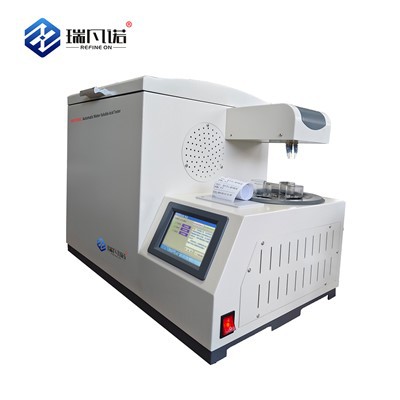
First, let’s recap what a hipot test actually does. Short for high-potential test, it’s basically a safety check that ramps way up the voltage between two parts of a device that shouldn’t be conducting electricity. The goal? Make sure there’s no hidden insulation damage, loose wiring, or faulty components that could cause a short circuit, shock hazard, or even fire. Most hipot testers run anywhere from 500V to 5kV (sometimes higher, depending on the standard) and test for leakage current—if current bleeds over that shouldn’t, it triggers a fail.
Now, audio equipment’s whole vibe is about precise, low-voltage signal transfer, right? Stuff like a $5,000 tube amplifier, a portable Bluetooth speaker, or a studio monitor runs on voltages way lower than what a hipot tester uses. Tubes in amps might hit 400V on their own, but that’s a controlled, isolated circuit inside the unit. So why would anyone even think to use a hipot tester on audio gear?
Let’s start with the real cases where this actually makes sense, not just a random experiment. First, brand-new audio equipment manufacturing. When a speaker or amp rolls off the assembly line, every part is tested for safety, not just sound quality. The main safety standards for consumer electronics—like IEC 62368-1, UL 62368, or FCC Part 15—mandate hipot testing for most devices that plug into wall power. Even audio gear, even if it’s marketed as “audiophile-grade,” has to meet those standards to sell in the US, EU, or most other regions.
Think about a studio monitor: it has a power supply board, speaker drivers (which are low-voltage), and a metal chassis. The power board’s AC line (120V/240V) needs to be insulated from the metal chassis so you don’t get a shock if the power cord frays. A hipot test checks that insulation. Same with a subwoofer amp: the high-voltage side of the transformer has to not leak current to the low-level audio inputs or the metal cabinet. Skipping that test means a customer could get a shock if their kid touches the amp’s chassis while it’s plugged in, or even damage their other audio gear if there’s a short.
Then there’s repair and reconditioning. If you’re fixing a vintage tube amp from the 1970s, the insulation on the old wiring has probably degraded over 50 years. The original factory hipot test was a one-time check, but age, heat, and humidity can turn good insulation into a brittle, crack-prone mess. A lot of small repair shops use hipot testers not just to confirm safety, but to find hidden issues that don’t show up during a basic power-on test. For example, I’ve had a repair tech tell me he fixed a customer’s amp that kept tripping house breakers—turns out a loose wire on the power supply was arcing to the chassis, and a hipot test caught it before someone got hurt.
But wait, hold on—there’s a big caveat here: you can’t just fire up any hipot tester and stick it to your $1,000 pair of studio monitors without thinking. Audio gear’s sensitive parts don’t play well with high voltage. Let’s break down the risks. First, signal and data components—like Bluetooth modules, audio DACs, or speaker drivers—are designed for low, precise voltages. If you accidentally set your hipot tester to 5kV (which is standard for heavy industrial use) instead of the 1.5kV or 2kV that audio equipment needs, you could fry those sensitive chips. I’ve seen a small audio brand send back two hipot testers because their tech kept blowing $200 Bluetooth boards—turns out he was using the wrong voltage setting.
Another thing: capacitive discharge. Some hipot testers, especially cheaper ones, release a sudden jolt of high voltage that can damage delicate audio components. Modern audio is full of capacitors, microchips, and tiny wiring—stuff that’s built for smooth, steady current, not a lightning strike. That’s why the right hipot tester for audio isn’t just any generic model; it’s one with adjustable voltage limits, slow ramp-up time (so you don’t shock components), and the ability to test both AC and DC insulation (audio gear has both AC power and DC signal lines).
Also, there’s a right way to connect the tester. When you do a hipot test on audio equipment, you’re not testing the signal path—you’re testing insulation between the AC line and the chassis, or between the AC line and the audio input/output ports. If you hook the tester to the audio signal lines instead of the insulation, you’ll get false fails, and you’ll definitely damage the gear. I can’t tell you how many times a new customer has called panicking because their “perfect” audio equipment kept failing hipot tests—turns out they were connecting the test leads to the speaker terminals, not the chassis.
Now, let’s get into the common myths that make audio folks write off hipot testing. Myth #1: “Audio equipment doesn’t need safety tests because it’s just sound.” No—safety standards apply to every device that connects to mains power, regardless of what it does. Even a battery-powered Bluetooth speaker that plugs into a USB charger needs hipot testing on its power input. Myth #2: “Hipot tests ruin audio quality.” That’s only if you do it wrong. If you use the correct voltage, ramp-up time, and test points, the only thing the hipot does is check insulation—no effect on the sound later. Myth #3: “You can use a multimeter instead of a hipot tester for audio safety checks.” A multimeter only tests continuity, not insulation strength. A frayed wire might still show continuity (since it’s touching the chassis in a place that barely conducts), but a hipot test will catch the leakage current that means insulation is failing.
So here’s the thing: a hipot tester isn’t a tool for measuring audio output or checking sound quality—it’s a safety tool. For audio gear, it’s mandatory in manufacturing, a lifesaver in repair, and can prevent a lot of headaches for both brands and customers. The key is picking the right model, knowing what voltage to use, and testing the right points.
Let’s talk about what specific hipot tester features matter for audio. First, adjustable output voltage. Most consumer audio gear needs a hipot test between 1.2kV and 2.5kV (depending on the device’s power rating)—way lower than the 5kV or 10kV used for industrial motors. Look for a tester that can dial down to 500V if you’re working on small, low-power devices like portable Bluetooth speakers. Second, leakage current measurement. Audio gear has lower allowed leakage current than heavy industrial equipment—usually less than 1mA, instead of 5mA or more. A good hipot tester for audio will let you set a precise limit so you don’t get false fails from normal, harmless leakage. Third, no sudden voltage spikes. As I mentioned earlier, sensitive audio chips hate jolts. Some cheap hipot testers have a fast ramp-up time that can fry components, so look for a model with a soft start function that ramps voltage up over 1-2 seconds instead of instantly.
I’ve worked with a ton of audio brands over the years, from small boutique amp makers to large studio monitor manufacturers. One mid-sized brand that makes home theater speakers told me they used to skip hipot testing to save money—until a customer got shocked by a faulty amp that had been on their store shelf for 6 months. They had to issue a recall, which cost them way more than investing in a couple of hipot testers. Now, every single one of their products goes through a hipot test before leaving the factory, and they even use the test data to flag small insulation issues early in production, before they turn into big problems.
Another example: a vintage amp repair shop I supply uses a hipot tester as a core tool. The owner told me that 3 out of 10 vintage amps he sees have hidden insulation damage that only shows up on a hipot test. Once, he had a customer bring in a 1960s Marshall amp that had a weird “hum” he couldn’t figure out. The hipot test showed that a loose wire on the power transformer was leaking current to the chassis, which caused the hum. The fix cost $50, way cheaper than replacing the transformer or, worse, letting the customer get shocked while playing the amp at a concert.
Now, let’s be real—there are still cases where a hipot tester shouldn’t be used on audio equipment. If you’re testing a battery-powered audio device that never connects to mains power (like a portable MP3 player that only runs on AA batteries), a hipot test is unnecessary. If you’re just checking why a speaker sounds distorted, a hipot test won’t help at all—you need to test the speaker drivers, the DAC, or the amplifier stage for that. But for any device that plugs into wall power, or uses a USB charger that connects to mains, a hipot test is a smart, required step.
So, to wrap this up: can a hipot tester be used for audio equipment? Absolutely—if you use it right. It’s not a sound quality tool, it’s a safety tool that’s been proven to save brands from costly recalls, repair shops from missed hazards, and customers from dangerous shocks. The biggest mistakes people make are using the wrong voltage, testing the wrong points, or buying a model too powerful for delicate audio gear.
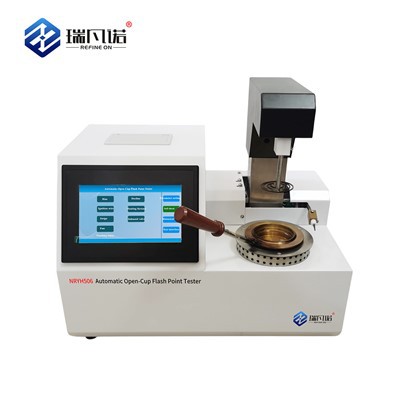
If you’re an audio brand looking to add hipot testing to your production line, or a repair tech needing a tester that works for vintage amps and studio monitors, I can help you pick the right model. Don’t waste time or money on a generic industrial tester that’ll blow your sensitive components. Reach out to our team to walk through your specific needs, whether you’re testing 100 portable speakers a week or 10 vintage tube amps a month. We’ll make sure you get a tester that’s safe, reliable, and perfect for audio gear use.
Cable Tester References:
- International Electrotechnical Commission. (2019). IEC 62368-1: Audio/Video, Information and Communication Technology Equipment – Part 1: Safety Requirements.
- Underwriters Laboratories. (2022). UL 62368-1: Standard for Safety for Audio/Video, Information and Communication Technology Equipment.
- Federal Communications Commission. (2021). FCC Part 15: Radio Frequency Devices.
- Federal Emergency Management Agency. (2018). Electrical Safety Testing for Consumer Electronics: High-Potential Testing Guidelines.
Refine On (Hebei) Electric Power Technology Co., Ltd.
Refine On (Hebei) Electric Power Technology Co., Ltd. is one of the most reliable hipot tester manufacturers and suppliers in China, also supports customized service. Please feel free to wholesale advanced hipot tester at competitive price from our factory. Contact us for quotation.
Address: Building 13, Liandong U Valley, No.64, Jing SAN South Street, Economic Development Zone, Mancheng District, Baoding City, China
E-mail: victor@transformer-test.com
WebSite: https://www.transformer-test.com/
