Hey everyone, let’s cut to the chase—if you’ve ever hung around industrial plants, refineries, or even big commercial HVAC setups, you’ve probably stood near a big exhaust pipe pumping out what looks like just hot, useless gas. Most folks write that stuff off as waste, right? But here’s the thing: that “waste gas” isn’t just taking up space—it’s a huge untapped chunk of energy that’s literally being thrown out with the trash. That’s where my company comes in, as a combustion gas capture device supplier, and today I’m breaking down exactly how these things turn that so-called waste into real energy efficiency wins, no fancy jargon required. Combustion Gas Capture Device
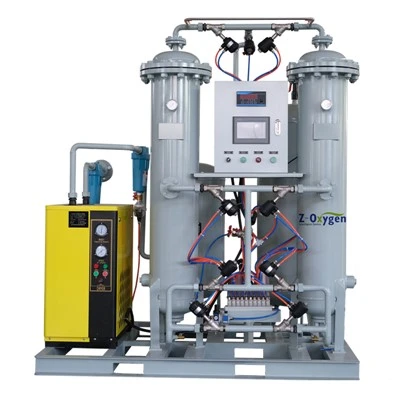
First, let’s ground this in what combustion gas actually is, because I think that’s where a lot of people get confused. When you burn fuel for power—whether it’s natural gas, diesel, even waste-derived fuels like biogas—combustion produces a mix of stuff: carbon dioxide, water vapor, nitrogen, and a bunch of leftover heat. For decades, industries have just vented all that hot gas straight into the atmosphere. But here’s the math: that vented gas can still be 300 to 600 degrees Fahrenheit (150 to 315 Celsius) depending on the setup. If you have a mid-sized manufacturing plant running 24/7, that’s thousands of BTUs of heat going out the stack every single hour—heat that would otherwise pay for itself if you could capture it.
Wait, so what exactly does a combustion gas capture device do, beyond just “catching stuff”? Let’s paint a real-world example because numbers make this way more clear. Last year, we worked with a food processing plant that used natural gas to heat ovens for baking bread. Their old setup vented all the oven exhaust straight out—120,000 cubic feet of hot gas every hour. Their monthly gas bill was around $45,000. We installed one of our modular combustion gas capture units (it took 3 days to set up, no long shutdowns needed) and connected it to their existing heat recovery loop. Now, that captured heat isn’t wasted. It’s routed back to preheat the incoming natural gas they use for the ovens, and even preheat the water they use to clean equipment. Six months in, their monthly gas bill dropped by $11,200. That’s 25% less fuel they’re burning for the same work—that’s energy efficiency actually showing up on the balance sheet, not just a buzzword.
Let’s get into the “how” behind that device, because it’s not rocket science, but it’s not just a tin can either. Our combustion gas capture devices use two main techs that are easy to wrap your head around: first, a high-efficiency heat exchanger that pulls the sensible heat out of the exhaust gas—think of that as the hot you can feel, like steam off a radiator. Then, we add a condensation step that pulls out latent heat from the water vapor in the combustion gas. That’s the heat that’s in the gas you can’t see, like when you blow on a cold window and it fogs up—those water droplets release heat when they form. Most basic capture units skip the condensation, but that’s where we add the extra 10-15% efficiency gain. So our devices aren’t just catching the hot gas—they’re extracting every last BTUs from it.
Now, you might be thinking: “Okay, that works for that food plant, but what about other industries?” Let’s take another example— a small power plant that runs on biogas from a local landfill. They were venting their turbine exhaust because they thought it wasn’t useful. After installing our capture device, they now use that captured heat to warm the landfill’s biogas before it goes into the turbine, which makes the turbine run more efficiently (less cold gas to heat up means the turbine doesn’t have to work as hard). They also sell the extra captured heat to a nearby greenhouse, which uses it to keep their tomato plants growing year-round. That’s double efficiency: the power plant uses less fuel to make electricity, and the greenhouse doesn’t have to burn extra gas for heat. No waste, all gain.
Here’s the part that surprises a lot of our clients: energy efficiency from these devices isn’t just about less fuel use—it’s also about cutting maintenance costs, and that’s a huge hidden win. Combustion gas isn’t just heat—it has tiny particles, soot, and even corrosive compounds like sulfur dioxide (if you’re burning coal or heavy oil). Our capture devices are built with self-cleaning filters and corrosion-resistant materials that catch those particles before they can build up in the plant’s ductwork, turbines, or boilers. I’ve had a refinery client tell us that after installing our capture device, their annual maintenance for their exhaust system dropped by 18% because there’s no more soot clogging the lines. Less clogs mean less downtime, which is a massive win for any business that runs 24/7—downtime costs thousands of dollars an hour, remember.
Wait, let’s address the elephant in the room: are these devices worth the investment? I get it, upfront costs make people hesitate. But let’s do the quick math for a mid-sized industrial setup. Our standard commercial capture unit runs around $80,000 to $120,000, depending on the size of your exhaust stream. The average payback period is 18 to 24 months. That means in less than two years, the device has paid for itself, and every dollar after that is straight profit from lower energy bills. And if you’re in an area with carbon credits or emissions regulations? That’s an extra bonus. Less vented exhaust means lower carbon emissions, so many clients we work with earn carbon credits that add another $5,000 to $10,000 a year in extra revenue.
I also want to clear up a common misconception: combustion gas capture devices don’t “remove” all the exhaust gas—they just recover the usable heat from it. The remaining cleaned gas is still vented, so you don’t have to worry about violating air quality rules. Our units are calibrated to meet EPA (or whatever local environmental agency) standards on every install—we even do a full audit before we show up to make sure the unit fits your exact needs, no one-size-fits-all junk.
Let’s talk about recent changes that have made these devices way more accessible, too. A few years back, capture units were huge, clunky, and only for big Fortune 500 plants. Now, we build modular, skid-mounted units that can fit in tight spaces—perfect for small manufacturers, restaurants with big industrial kitchens, even small data centers that use natural gas for backup power. We’ve installed units in a 20,000 sq ft bakery, a few auto body shops with paint booth exhaust, and even a small brewery that uses their captured heat to warm their fermentation vats. No more needing to shut down operations for weeks to install—most units go in in 2 to 5 days, as I mentioned earlier.
I should also mention that these devices work with almost any fuel type, too. Whether you’re burning natural gas, propane, diesel, biogas, even wood waste for heat—our capture units adjust to the combustion gas mix, so you don’t have to replace your whole fuel setup to add one. That flexibility is a big reason why our client base ranges from small local businesses to large multinational chemical plants.
Now, let’s get back to the core question: how exactly does this tie to energy efficiency, beyond “saving money”? Let’s define energy efficiency, because it’s not just using less stuff—it’s getting more useful energy out of every unit of fuel you burn. When you burn fuel in a heater or turbine, only about 30-40% of the energy actually turns into useful work (like heating ovens or making electricity). The rest is lost as heat in the exhaust. Our capture devices recapture 20-25% of that lost heat, so now you’re getting 50-65% of useful energy out of every gallon or cubic foot of fuel. That’s a 50% jump in energy efficiency, no new fuel, no new equipment to run—just a device that pulls energy out of the stuff you’re already throwing away.
I’ve been in this game for 7 years now, working with these capture devices every single day, and the biggest takeaway I have is that energy efficiency doesn’t have to be complicated or require huge overhauls. A lot of businesses think they have to switch to solar or wind to “go green” and save money, but sometimes the easiest win is right in their own exhaust pipe. That hot gas they’re venting? It’s not waste—it’s a cash flow stream waiting to be tapped.
If you’re reading this and you run an industrial setup, a commercial facility, or even a small business that uses combustion for heat or power, don’t sleep on this. We do free, no-obligation audits to look at your exhaust stream, calculate exactly how much energy you’re wasting, and give you a custom quote for a capture device that fits your needs. No salesy pitches, no hidden fees—just real numbers based on your actual setup.
If you’re curious to learn more, or ready to stop wasting energy (and money) on vented combustion gas, reach out. We can walk you through how it works, share case studies specific to your industry, and help you get set up with a unit that starts saving you money within a couple of years. Let’s turn that waste into efficiency, together.
Compressor And Expander References
- U.S. Energy Information Administration. (2023). Industrial Energy Efficiency: Capturing Waste Heat for Productive Use.
- International Energy Agency. (2022). Heat Recovery Systems for Combustion Processes.
- Environmental Protection Agency. (2021). Waste Heat Capture Technologies for Commercial and Industrial Applications.
- American Society of Heating, Refrigerating and Air-Conditioning Engineers. (2022). Guideline 12-2021: Heat Recovery Systems.
- National Association of Manufacturers. (2023). Small-Scale Waste Heat Recovery: Cost and Benefit Analysis for Mid-Sized Facilities.
Xinxiang Jiale Intelligent Equipment Co., Ltd.
As one of the most professional combustion gas capture device manufacturers and suppliers in China, we’re featured by quality products and good service. Please rest assured to buy durable combustion gas capture device for sale here from our factory. We also accept customized orders.
Address: No.3913, 9th Floor, Unit 3, East Commercial and Office Complex, Baolong City Plaza, Hongqi District, Xinxiang City, Henan Province, China
E-mail: cc2397410@gmail.com
WebSite: https://www.jiale-asu.com/
