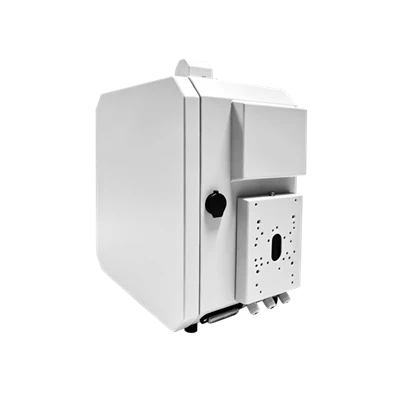
As a supplier of UPS power enclosures, I’ve witnessed firsthand the crucial role that corrosion prevention plays in the longevity and performance of these essential components. In this blog, I’ll delve into the various materials used to safeguard UPS power enclosures from the damaging effects of corrosion, sharing insights based on my years of experience in the industry. UPS Power Enclosures
Understanding Corrosion in UPS Power Enclosures
Before we explore the materials used for corrosion prevention, it’s important to understand why corrosion is such a significant concern for UPS power enclosures. These enclosures house sensitive electronic components that are essential for providing reliable backup power during outages. Corrosion can compromise the integrity of the enclosure, leading to issues such as electrical shorts, component failure, and reduced lifespan.
Corrosion is a natural process that occurs when metal is exposed to oxygen, moisture, and other environmental factors. In the case of UPS power enclosures, factors such as humidity, temperature fluctuations, and exposure to chemicals can accelerate the corrosion process. Additionally, the presence of salt in coastal areas or industrial pollutants in urban environments can further exacerbate the problem.
Materials Used for Corrosion Prevention
Galvanized Steel
Galvanized steel is one of the most commonly used materials for UPS power enclosures due to its excellent corrosion resistance. This material is created by coating steel with a layer of zinc, which acts as a sacrificial anode. When the zinc layer is exposed to the environment, it corrodes instead of the underlying steel, protecting the enclosure from rust and other forms of corrosion.
Galvanized steel is available in various thicknesses and grades, allowing for customization based on the specific requirements of the UPS power enclosure. It is also relatively cost-effective, making it a popular choice for many applications. However, it’s important to note that the zinc coating can be damaged during installation or transportation, which may reduce its effectiveness over time.
Stainless Steel
Stainless steel is another popular material for UPS power enclosures, particularly in applications where high levels of corrosion resistance are required. This material contains chromium, which forms a thin, protective oxide layer on the surface of the steel. This oxide layer prevents oxygen and moisture from reaching the underlying metal, effectively preventing corrosion.
Stainless steel is available in different grades, each with varying levels of corrosion resistance. For example, 304 stainless steel is commonly used in general applications, while 316 stainless steel is more suitable for harsh environments, such as coastal areas or industrial settings. Stainless steel is also highly durable and has a long lifespan, making it a cost-effective choice in the long run. However, it is more expensive than galvanized steel, which may be a consideration for some applications.
Powder Coating
Powder coating is a popular method of corrosion prevention for UPS power enclosures. This process involves applying a dry powder to the surface of the enclosure, which is then heated to form a hard, protective coating. Powder coating provides a high level of corrosion resistance, as well as excellent durability and aesthetic appeal.
Powder coating is available in a wide range of colors and finishes, allowing for customization based on the specific requirements of the UPS power enclosure. It is also relatively easy to apply and can be used on a variety of materials, including steel, aluminum, and plastic. However, it’s important to note that the quality of the powder coating can vary depending on the application process and the type of powder used.
Epoxy Coating
Epoxy coating is another effective method of corrosion prevention for UPS power enclosures. This material is a type of thermosetting polymer that forms a hard, protective coating when applied to the surface of the enclosure. Epoxy coating provides a high level of corrosion resistance, as well as excellent chemical resistance and adhesion.
Epoxy coating is available in different formulations, each with varying levels of corrosion resistance and other properties. For example, some epoxy coatings are designed for use in harsh environments, while others are more suitable for general applications. Epoxy coating is also relatively easy to apply and can be used on a variety of materials, including steel, aluminum, and concrete. However, it’s important to note that the curing process for epoxy coating can be time-consuming, and the coating may require special handling and storage.
Aluminum
Aluminum is a lightweight and corrosion-resistant material that is commonly used for UPS power enclosures. This material forms a thin, protective oxide layer on the surface when exposed to the environment, which prevents oxygen and moisture from reaching the underlying metal. Aluminum is also highly malleable and can be easily formed into various shapes and sizes, making it a popular choice for custom enclosures.
Aluminum is available in different grades, each with varying levels of corrosion resistance and other properties. For example, 6061 aluminum is commonly used in general applications, while 5052 aluminum is more suitable for marine environments. Aluminum is also relatively easy to machine and can be finished with a variety of coatings, such as powder coating or anodizing, to further enhance its corrosion resistance. However, it’s important to note that aluminum is more expensive than steel, which may be a consideration for some applications.
Choosing the Right Material for Your UPS Power Enclosure

When choosing a material for your UPS power enclosure, it’s important to consider several factors, including the environment in which the enclosure will be installed, the level of corrosion resistance required, and the budget. Here are some tips to help you make the right decision:
- Evaluate the Environment: Consider the environmental conditions in which the UPS power enclosure will be installed, such as humidity, temperature, and exposure to chemicals or salt. If the enclosure will be installed in a harsh environment, such as a coastal area or an industrial setting, you may need to choose a material with a higher level of corrosion resistance, such as stainless steel or aluminum.
- Determine the Level of Corrosion Resistance Required: The level of corrosion resistance required will depend on the specific application and the expected lifespan of the enclosure. If the enclosure will be used in a critical application, such as a data center or a hospital, you may need to choose a material with a high level of corrosion resistance to ensure the reliability and longevity of the enclosure.
- Consider the Budget: The cost of the material is an important consideration, especially if you are working with a limited budget. Galvanized steel is a cost-effective option that provides a good level of corrosion resistance, while stainless steel and aluminum are more expensive but offer higher levels of corrosion resistance and durability.
- Consult with a Professional: If you are unsure which material is best for your UPS power enclosure, it’s a good idea to consult with a professional. A qualified engineer or supplier can help you evaluate your options and choose the material that is best suited for your specific needs.
Conclusion
Mobile Surveillance Towers Corrosion prevention is a critical aspect of designing and manufacturing UPS power enclosures. By choosing the right materials and applying appropriate coatings, you can protect your enclosure from the damaging effects of corrosion and ensure its reliability and longevity. As a supplier of UPS power enclosures, I’m committed to providing high-quality products that are designed to withstand the toughest environmental conditions. If you’re in the market for a UPS power enclosure, I encourage you to contact me to discuss your specific requirements and learn more about the materials and coatings we offer.
References
- Metals Handbook: Properties and Selection: Irons, Steels, and High-Performance Alloys, ASM International
- Corrosion Engineering Handbook, Wiley
- Powder Coating Technology, Society of Manufacturing Engineers
Shenzhen Gago Electronics Co., Ltd.
Shenzhen Gago Electronics Co., Ltd. is one of the most professional UPS power enclosures manufacturers and suppliers in China. As we have world-leading production equipment and strong manufacturing capabilities, we warmly welcome you to buy high quality UPS power enclosures at competitive price from our factory.
Address: C201,Building B, No.170 Xingfa Road,Shangcun Community, Gongming Street, Guangming District, Shenzhen, China
E-mail: info@gagoelectronics.com
WebSite: https://www.gagodeterrence.com/
